Fortune tellers are one of the most rewarding characters to draw. They combine a strong silhouette, layered clothing, jewellery, expressive hands and a set of instantly readable props: a crystal ball, tarot cards, candles, a draped table. This post collects 20 drawing references for fortune teller characters, in the order they were made, with notes on what to study in each part of the figure and how to build your own fortune teller design.

A note on the images: like the other reference galleries on Toonizer, these pictures were made with AI for drawing practice. Use them for study and sketching; for the anatomy itself, check against real life or photo references too.
What makes a fortune teller read clearly
A viewer should recognise the character before they see any detail. That comes from a few shapes and signals working together:
- A strong outer shape: headscarves, shawls, wide sleeves and long skirts make a soft, layered silhouette.
- Props: a crystal ball, tarot cards, a teacup, candles or an open palm tell the story instantly.
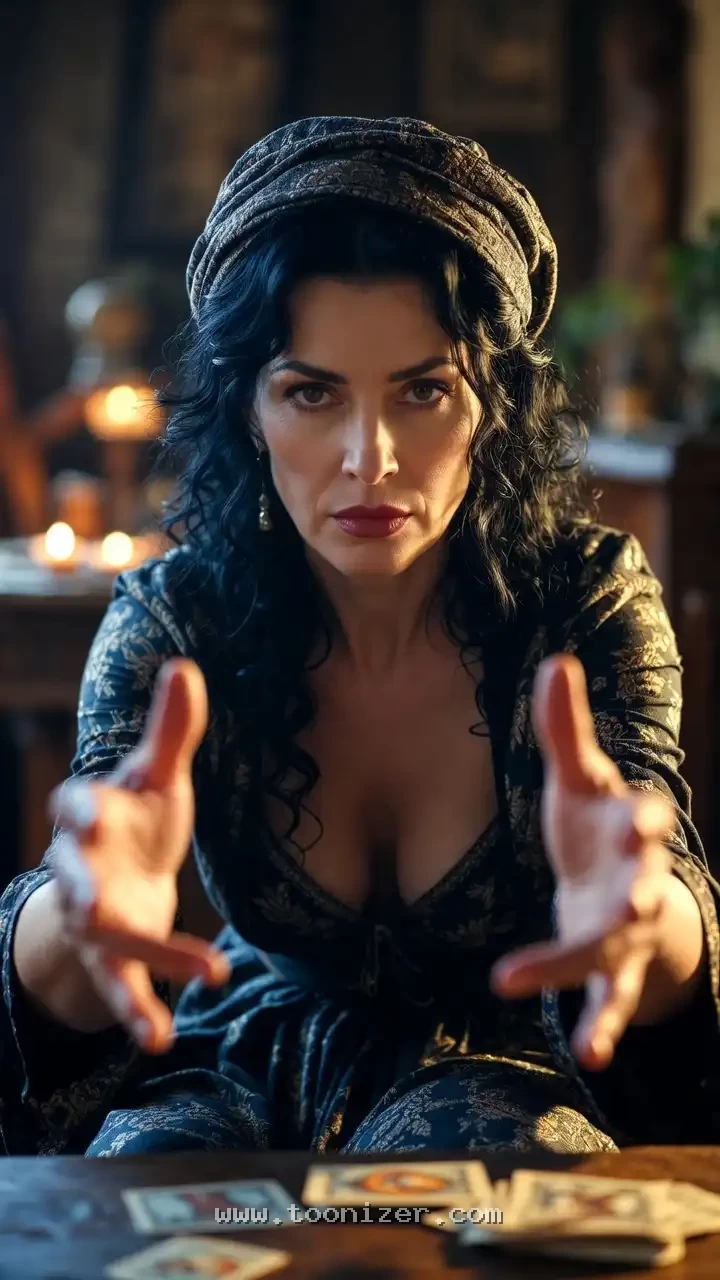
- Hands: fortune tellers “speak” with their hands, hovering over a ball, turning a card or holding a client’s palm.
- Light: a low, warm light source from below or from a candle gives the scene its mood.
- Expression and gaze: a direct, knowing look or eyes closed in concentration.
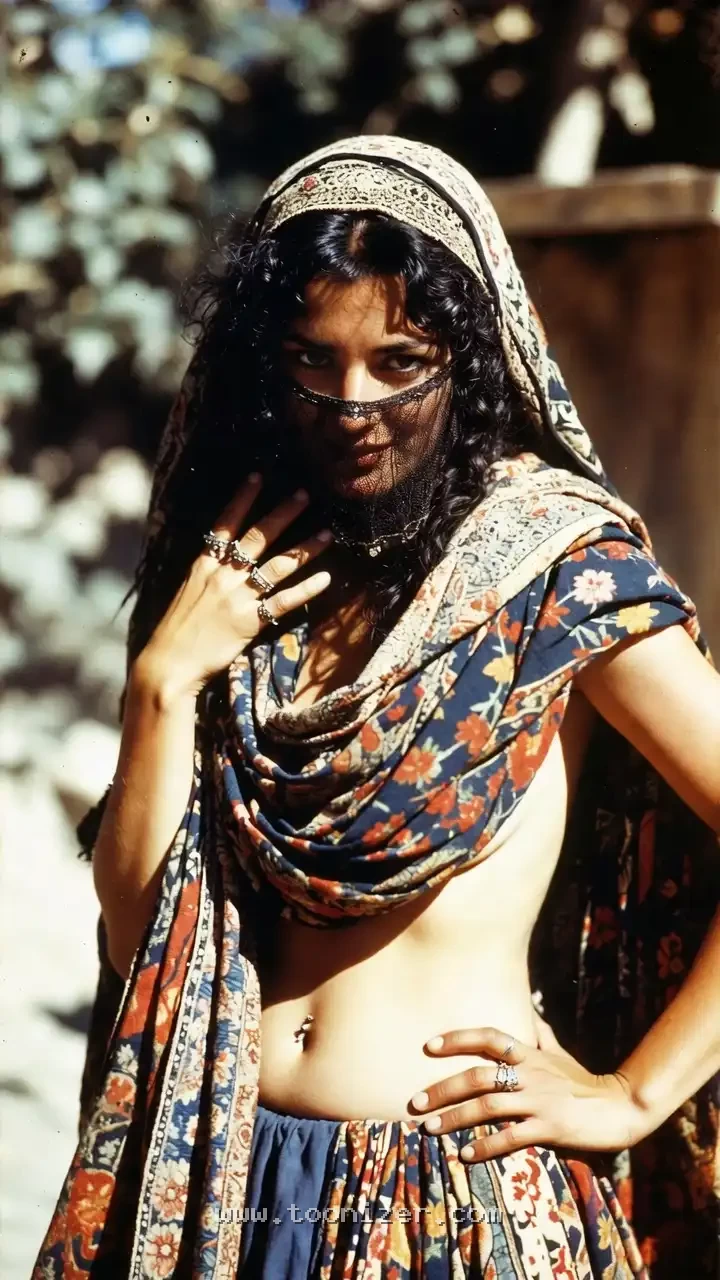


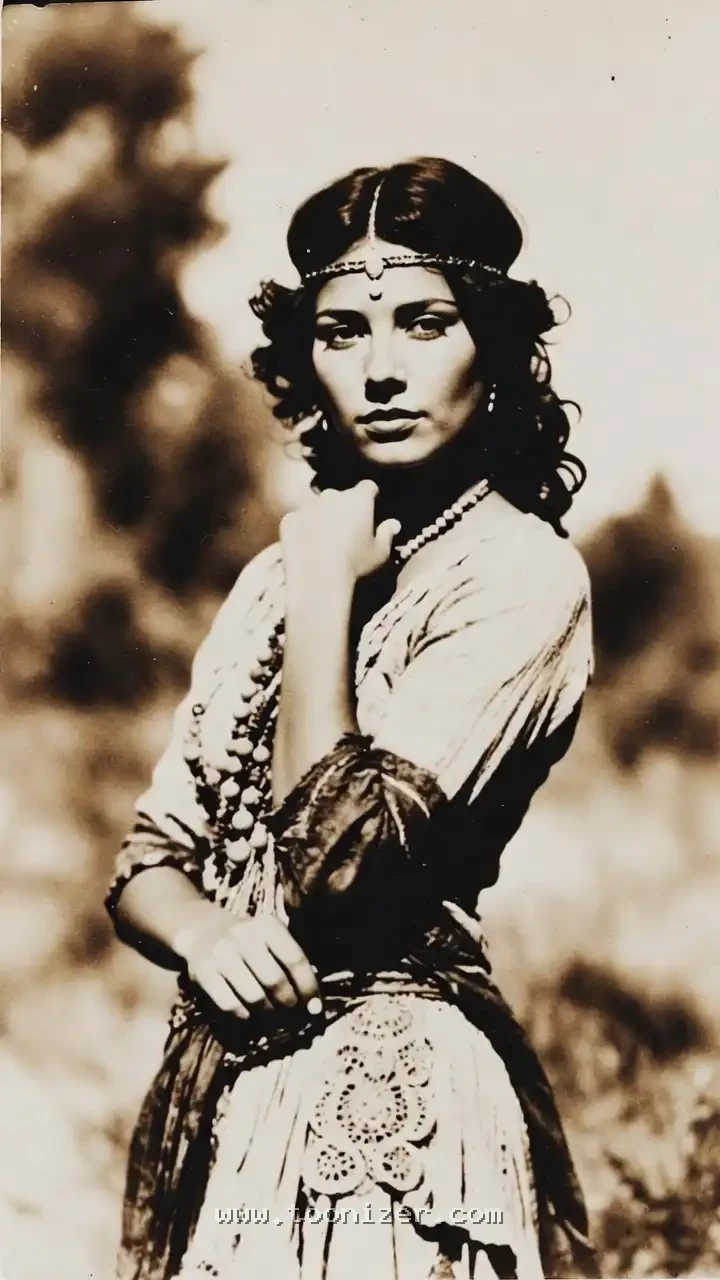
Drawing the costume: layers and folds
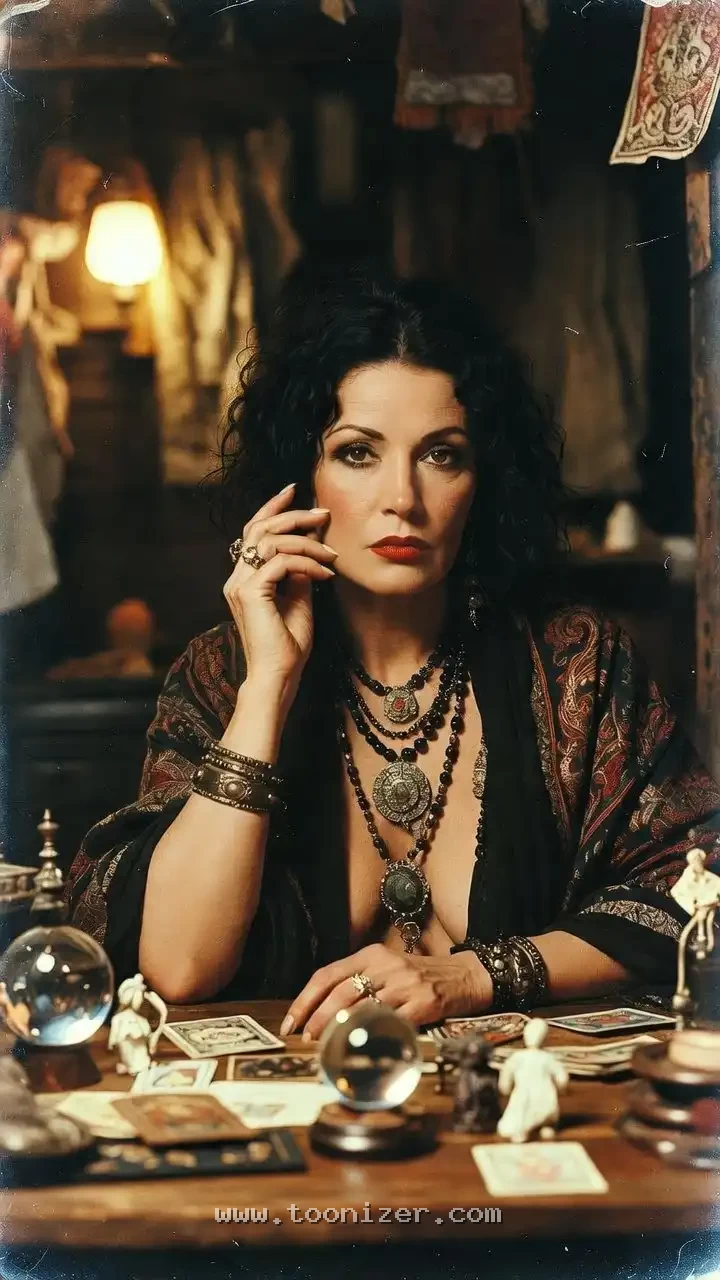
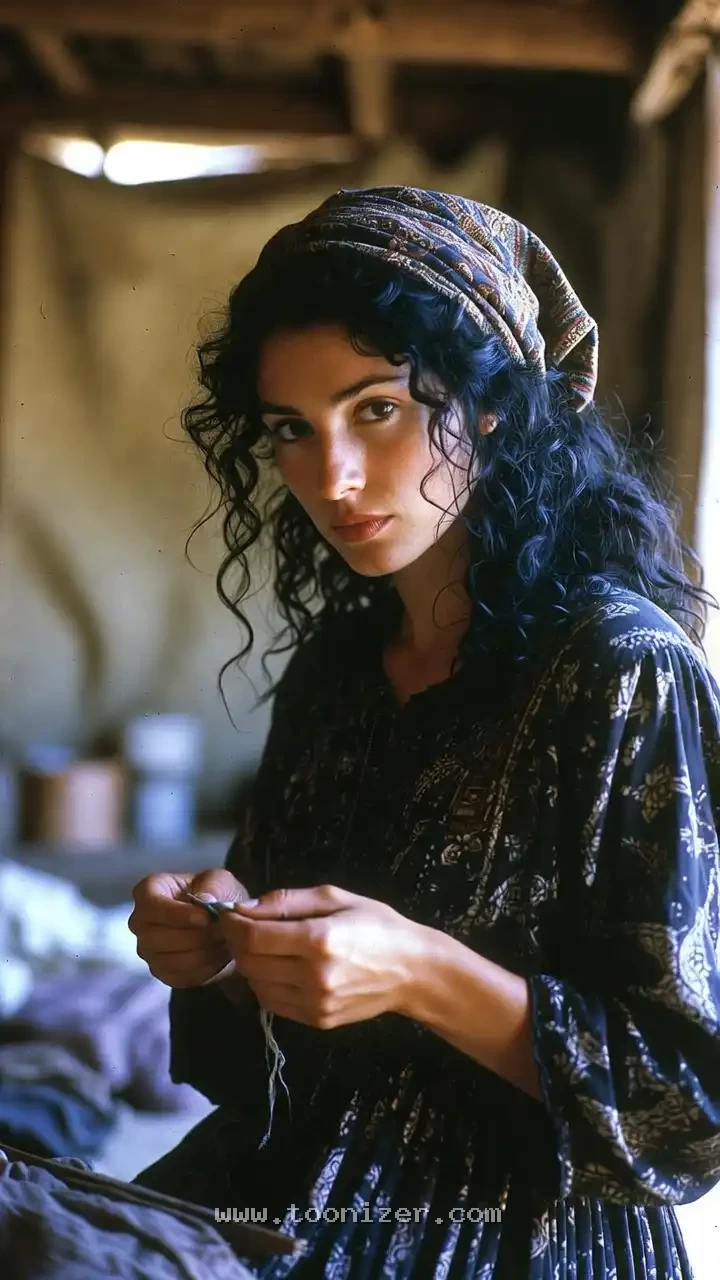
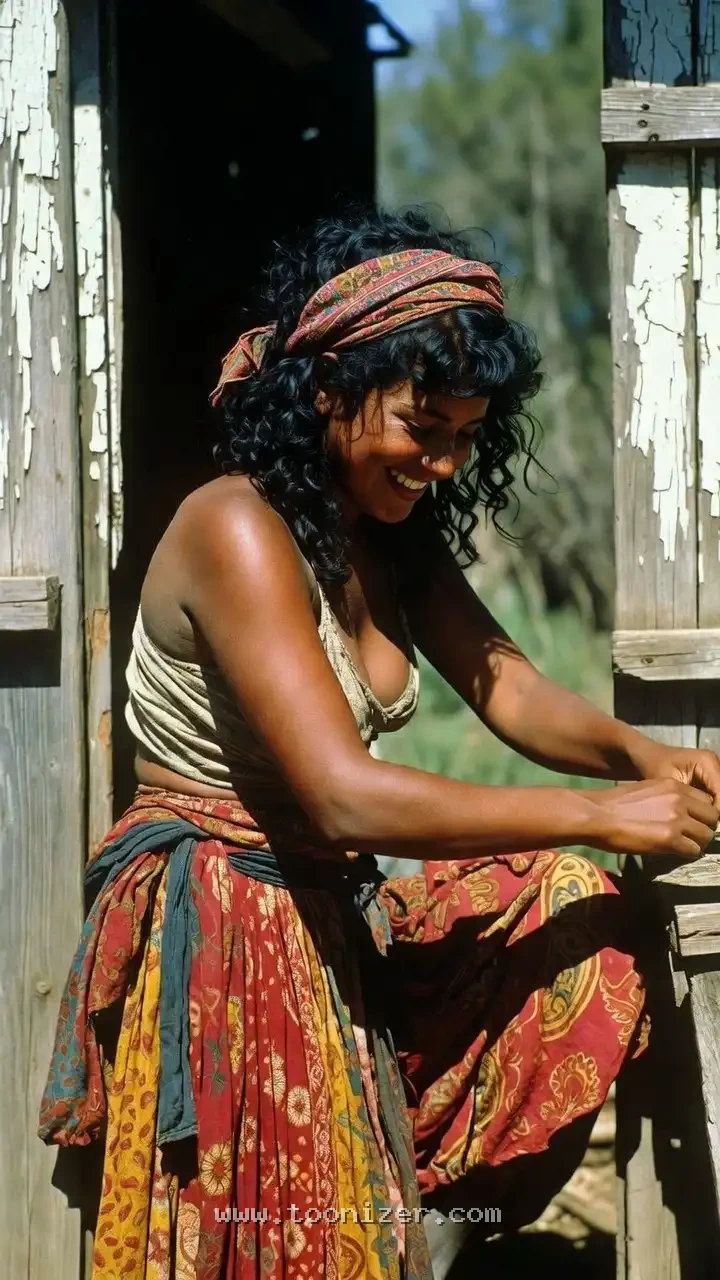
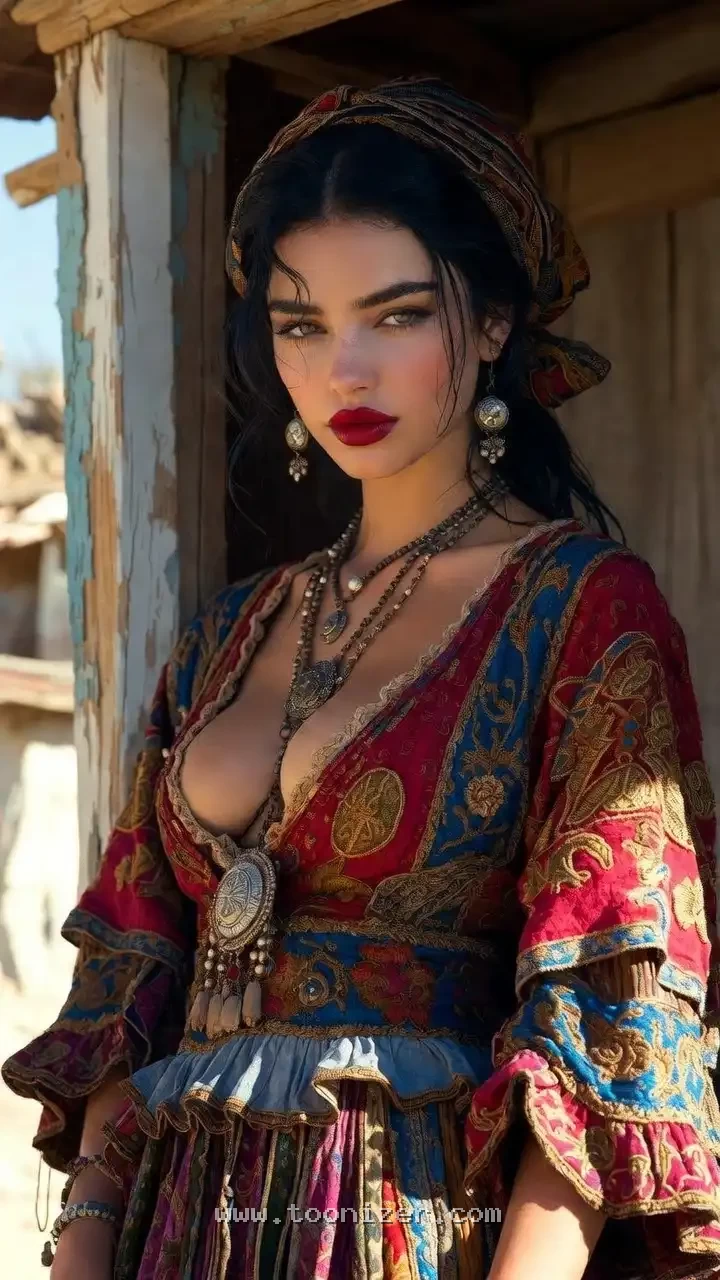
Most fortune teller designs are built from layers: a headscarf or turban, a blouse, a shawl or wrap, and a long skirt, often with fringe, coins or embroidery. Draw the body first in simple shapes, then add each layer from the inside out. Notice where fabric hangs freely, where it is pulled tight by a belt or knot, and where it folds over the arm or the edge of the table.
- Use long, curved lines for draped fabric and shorter, sharper folds where cloth bunches.
- Fringe and tassels follow gravity and movement, so they help show the pose.
- Keep patterns simple and let them bend with the folds, or they will flatten the form.
For more practice on cloth, embroidery and jewellery, see our drawing texture reference for knits, linen, embroidery and hair.

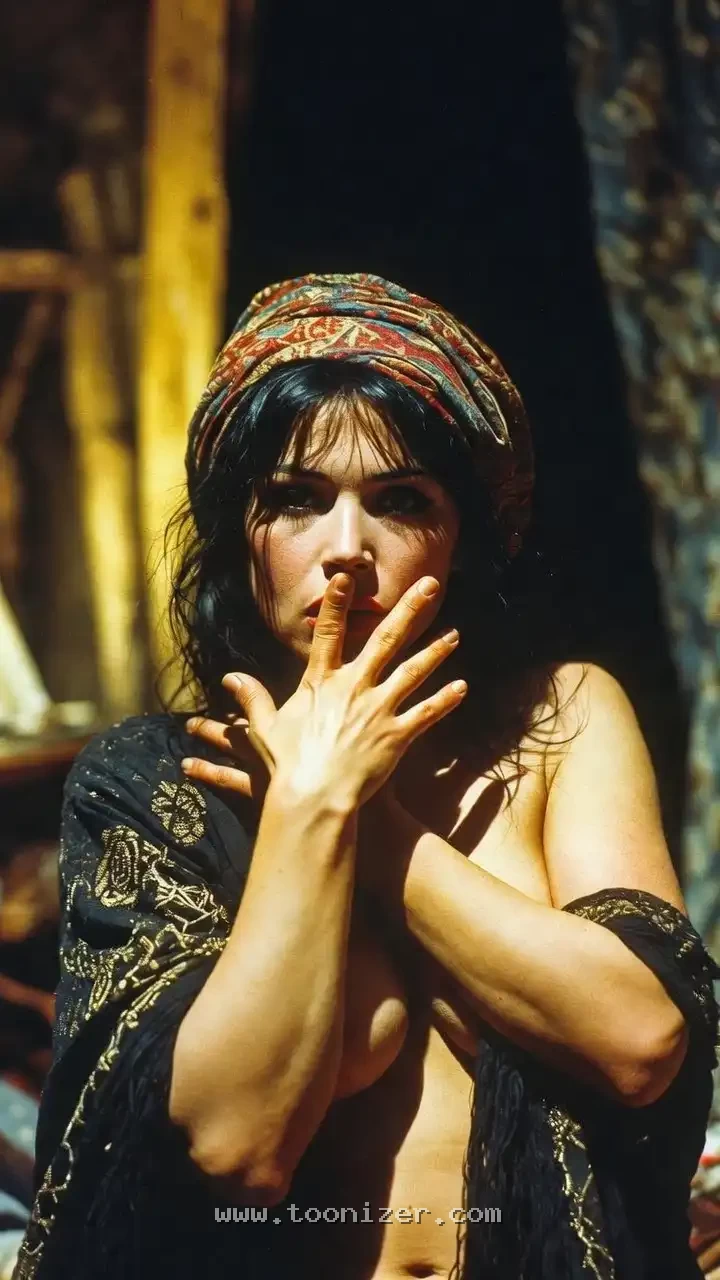
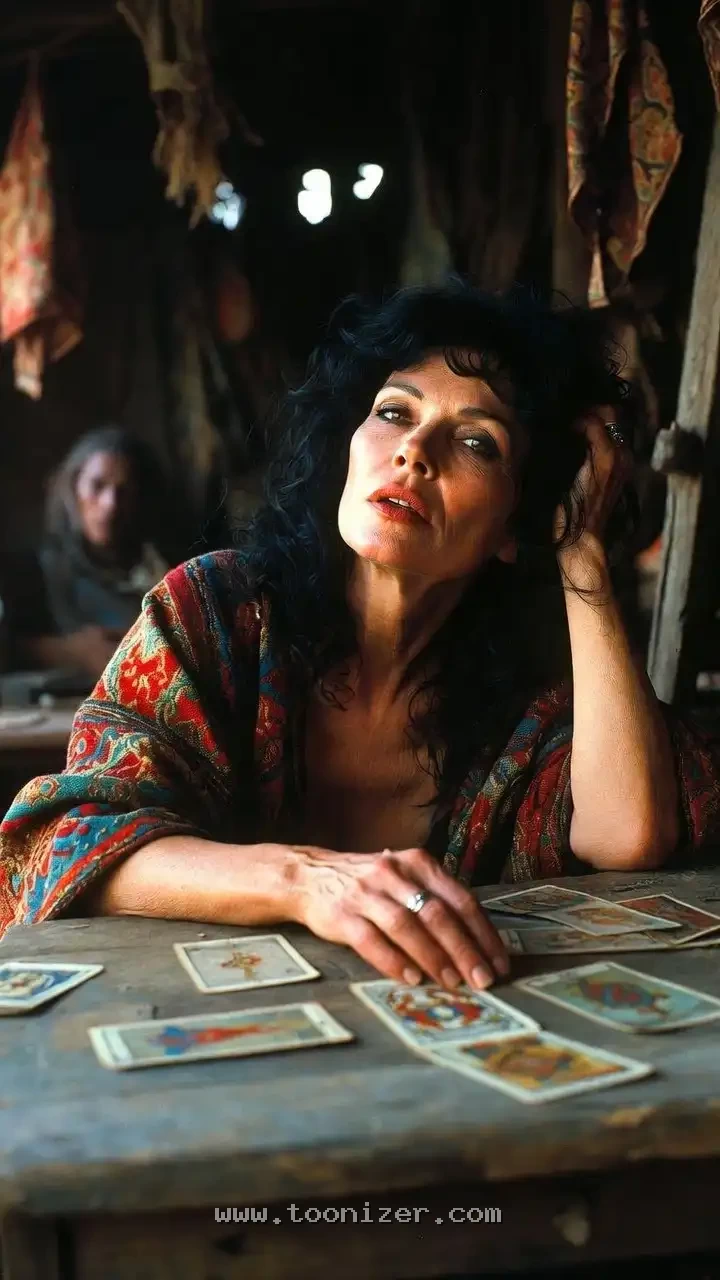
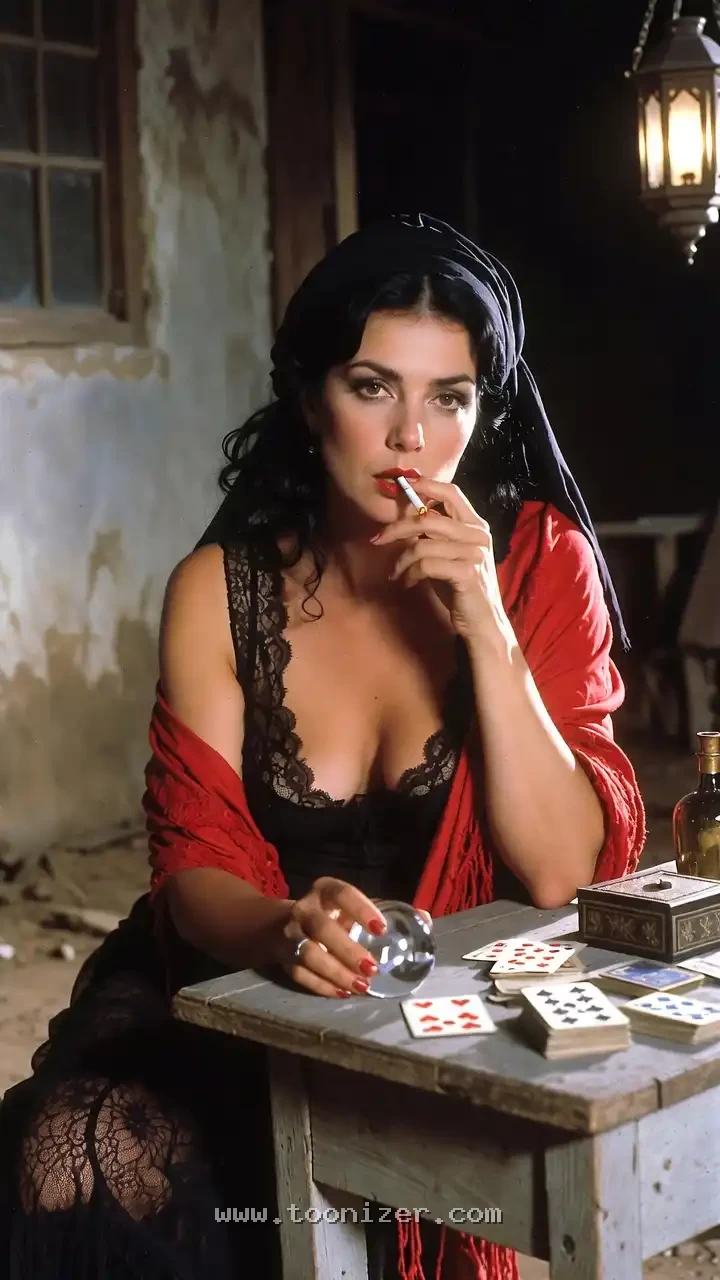
Hands, cards and the crystal ball
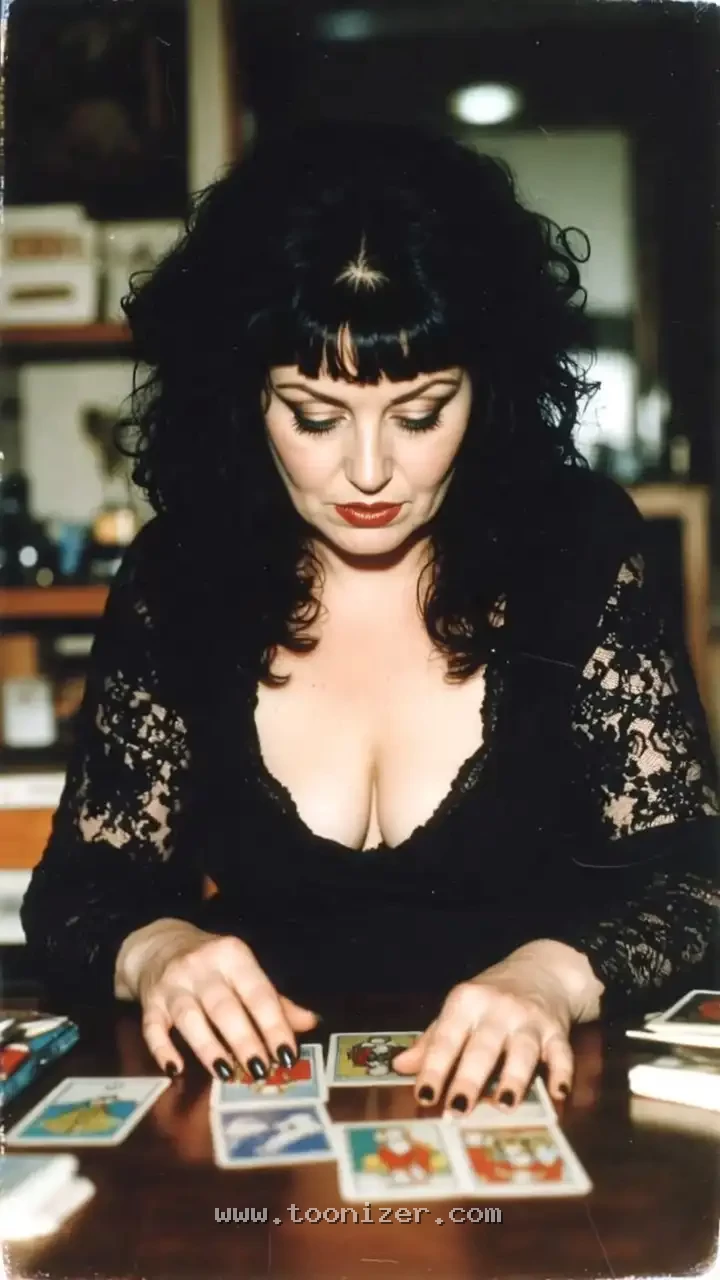
Hands carry much of the acting in a fortune teller drawing. Study how the fingers spread over a crystal ball, how a card is held between two fingers, and how one hand rests on the table while the other gestures. A crystal ball is simply a sphere: draw a clean circle, add a reflected highlight on one side and a soft glow or reflection of the hands, and it will read immediately.
- Draw the hand as a block first (palm as a box, fingers as cylinders), then refine.
- Keep fingertips relaxed and slightly curved; stiff, straight fingers look posed.
- Light from the ball or a candle should hit the palms and the underside of the face.
Our anatomy study reference for faces, hands and poses has more hand studies to practise with.

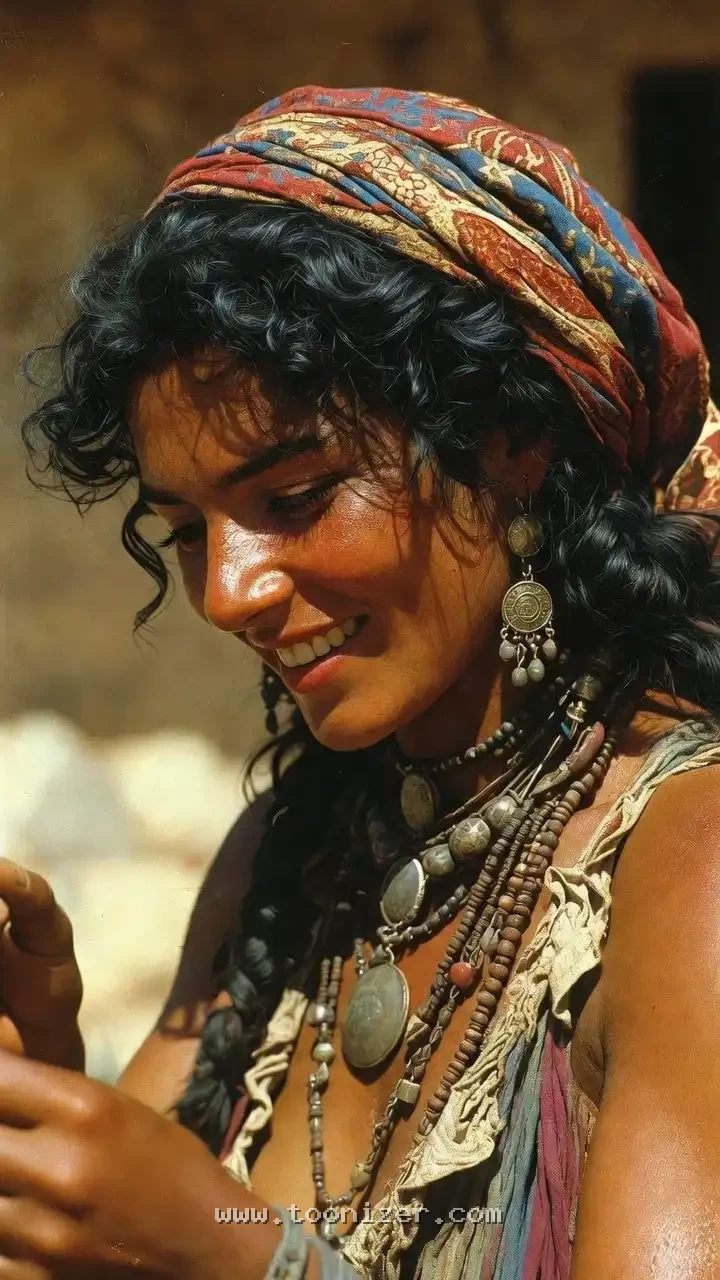
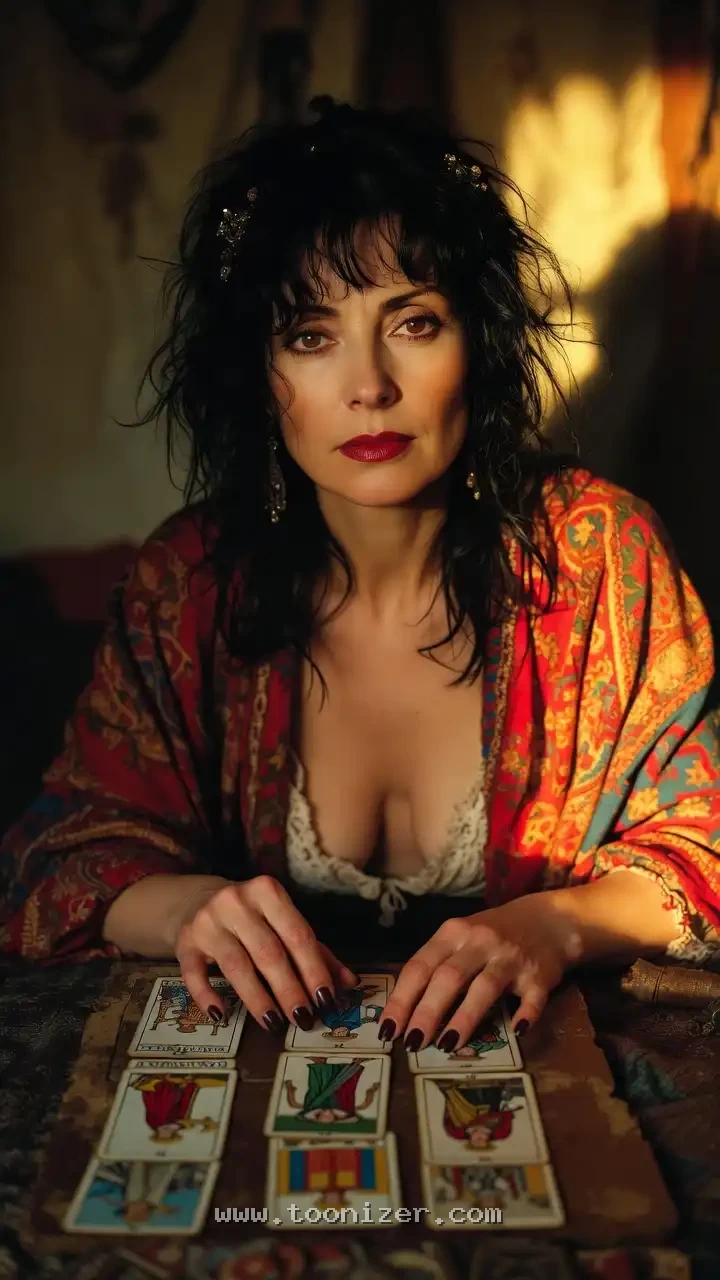

Poses: seated, leaning and standing
The classic fortune teller sits behind a table, but varying the pose keeps a series fresh. Try these:
- Seated at a table, leaning slightly forward over the crystal ball or cards.
- Leaning back in a chair with one arm raised, as if revealing something.
- Standing in a doorway or tent entrance, beckoning the viewer in.
- Close-up portrait with hands framing the face or holding a single card.
Start each pose with a quick gesture line through the spine, then block in the head, ribcage and hips before adding clothing.

Light and atmosphere
Fortune teller scenes are usually dark, with one or two warm light sources. That makes them excellent for practising value. Squint at each reference and simplify it into three or four tones: deep shadow, mid-tone, light and the brightest highlight on the ball, candle flame or jewellery. Rim light along the edge of a scarf or shoulder separates the figure from a dark background.
Designing your own fortune teller character
- Pick one main prop and make it the focal point of the composition.
- Choose a limited colour palette, such as deep red, gold and dark purple, or teal and brass.
- Decide on age and personality: a young, playful reader and an old, serious one need different shapes and faces.
- Add one unusual detail (a pet cat, a strange card, an old lantern) that makes the character yours.
For older faces and quiet, characterful poses, see Stillness & Grace: portraits of older models, and for layered, bohemian clothing ideas see our bohemian fashion gallery.

Frequently asked questions
How do I draw a fortune teller?
Start with a simple gesture and the main prop, usually a crystal ball or cards on a table. Block in the body, add the layers of clothing from the inside out, then finish with jewellery, pattern and a warm, low light source.
What props does a fortune teller have?
The most recognisable are a crystal ball, tarot cards, a teacup for reading leaves, candles, a draped table, incense and an open palm. One or two are enough for a clear design.
Can I use these images as drawing references?
Yes. They are made for drawing practice and sketching. Use them to study poses, costume and lighting, and combine them with your own ideas.
More references: art models for sketching and finding your own artistic style.
Want to see yourself as a fortune teller? Turn a photo into a cartoon with the free Toonizer cartoon generator.
0 Comments