
When the days get short, some people head for the sun. If you shoot film or like to draw, a winter trip to a warm place is a good excuse to start an analog travel journal: a roll or two of film, a small sketchbook, and the patience to use both slowly. This post collects ideas for that kind of trip, from handling film in heat and humidity to drawing on location and putting photos and sketches together once you are home.



Why Winter Is a Good Time for a Film Trip
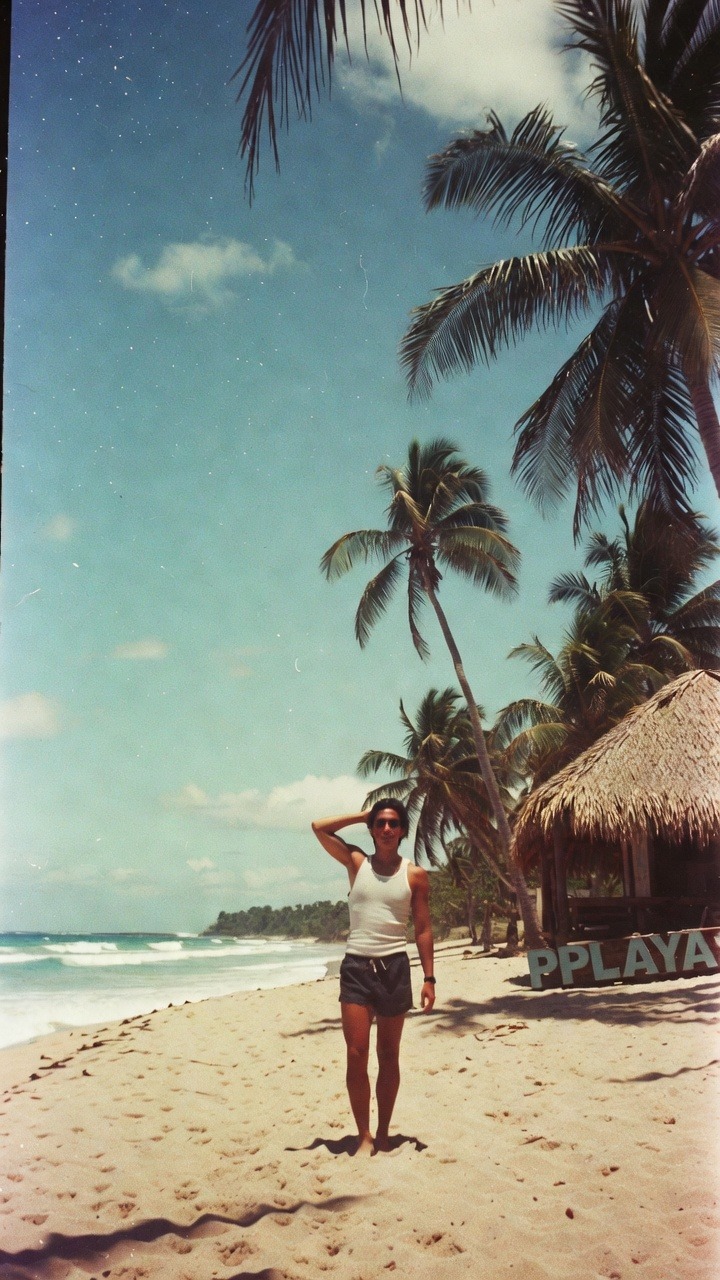
In many warm destinations, the northern winter is the dry season. Light is strong, skies are clear, and the days are long compared with home. That suits slower film stocks and outdoor drawing. Crowds are also thinner outside the holiday weeks, which makes it easier to sit somewhere for twenty minutes with a pencil.
An analog journal changes the pace of a trip. With 36 frames on a roll, you choose more carefully. With a sketchbook, you look at one scene long enough to notice how a shadow falls across a wall. If you enjoy the softer look of instant film, our post on Polaroid travel photography in exotic destinations shows what that format does with tropical light.
Shooting Film in Strong Sun, Heat and Humidity
A few habits keep film safe and exposures right in warm places:
- Pick slower film. ISO 100–200 handles bright sun well. Keep one roll of ISO 400 for shade, markets and evenings.
- Use the Sunny 16 rule if your meter is unreliable: on a clear day, f/16 at a shutter speed close to 1/ISO.
- Keep film cool. Heat shifts colors and fogs film over time. Store rolls in a small insulated bag, away from car dashboards and sunny windowsills.
- Watch for condensation. Moving from an air-conditioned room into humid air can fog the lens and the film. Leave the camera in its bag for a few minutes before shooting.
- Ask for a hand check at airports. Carry film in a clear bag in your hand luggage. Newer CT scanners can fog film, especially ISO 800 and above.
Some photographers like the color shifts that heat and age cause. If that interests you, see expired film pictures and their unpredictable colors and the beauty of damaged analog film.




The Sketchbook Side: Drawing on Location
A travel sketchbook does not need to be large. An A5 or smaller book with heavier paper takes pencil, ink and light watercolor. A water brush, a pencil, a waterproof fineliner and a small paint palette fit in one pocket.
Heat dries watercolor fast, so work in small areas. Humidity does the opposite and keeps washes wet longer. Short sketches of ten to fifteen minutes usually work better than one long drawing. Draw what the camera misses: the sound of a call to prayer, a handwritten menu, the shape of a fishing boat, the color of a wall at noon. If you need a starting point, try these sketch ideas that grow from a simple doodle.
Streets, cafés and people sitting still are good first subjects. They stay in place long enough for a quick figure or a few lines of architecture.




Pairing Photos and Drawings in One Journal
The two media fill each other's gaps. A photo keeps the exact light. A drawing keeps what you chose to notice. A few ways to combine them:
- Leave blank pages next to each day's sketches and tape in prints after the film is developed.
- Paint a small color swatch of each place and later compare it with the film's colors.
- Draw from your negatives or scans at home, while the memory is still fresh.
- Write the frame number beside a sketch, so the journal works as an index to the roll.
Over a few trips, this habit tends to shape a personal way of seeing. Our post on finding your artistic style covers that process in more detail.


Warm Winter Places to Draw and Photograph
These destinations are in their drier, milder season between December and February:
- Zanzibar, Tanzania — white walls, carved doors, dhows at low tide.
- Oaxaca, Mexico — painted facades, markets, warm afternoon light.
- Kerala, India — backwaters, palms and boats in soft green tones.
- Marrakech, Morocco — mild days, clay-colored walls, deep shadows in the souks.
- Sri Lanka’s south coast — fishing boats, colonial buildings in Galle, sea views.
- Egypt’s Red Sea coast — desert mountains, turquoise water, very bright light that suits ISO 100 film.
Check weather and travel advice before you book. Seasons shift, and conditions can change from year to year.


Bringing the Journal Home
Back home, the journal can become the start of new work: a series of drawings, a small zine, or characters based on people and places you sketched. If you like turning ideas into characters, try the Pixel Character Maker here on Toonizer. For notes on film stocks and how they handle color, visit our sister site Vintizer.
An analog travel journal is slow by design. A few rolls and one sketchbook are enough to remember a winter in the sun more clearly than a phone full of photos.
Frequently Asked Questions
What is an analog travel journal?
A travel record made with physical tools: film photos, sketches, handwritten notes and small keepsakes, usually kept in one sketchbook.
Which film is best for sunny winter destinations?
ISO 100–200 film handles bright sun well. One roll of ISO 400 is useful for shade, markets and evenings.
Can airport scanners damage film?
Yes, especially newer CT scanners and film of ISO 800 or higher. Carry film in your hand luggage and ask for a hand check.
What should a travel sketching kit include?
A small sketchbook with heavier paper, a pencil, a waterproof fineliner, a water brush and a compact watercolor palette.
0 Comments