Light decides more about a portrait than the pose or the outfit. It shapes the face, sets the mood and tells you what time of day it is. Learning to read it is useful whether you draw, take photos or turn your photos into cartoons. This post walks through nine portraits and what the light is doing in each one.
Three questions to ask about any light
- Where is it coming from? Front, side, behind or above. Direction decides which parts of the face are lit and which fall into shadow.
- How hard is it? A small, direct source such as the sun gives sharp shadow edges. A large, diffused source such as a cloudy sky or a curtained window gives soft ones.
- What colour is it? Daylight, sunset, lamps and neon all tint the skin differently. The colour of the light often carries the mood.
Nine portraits
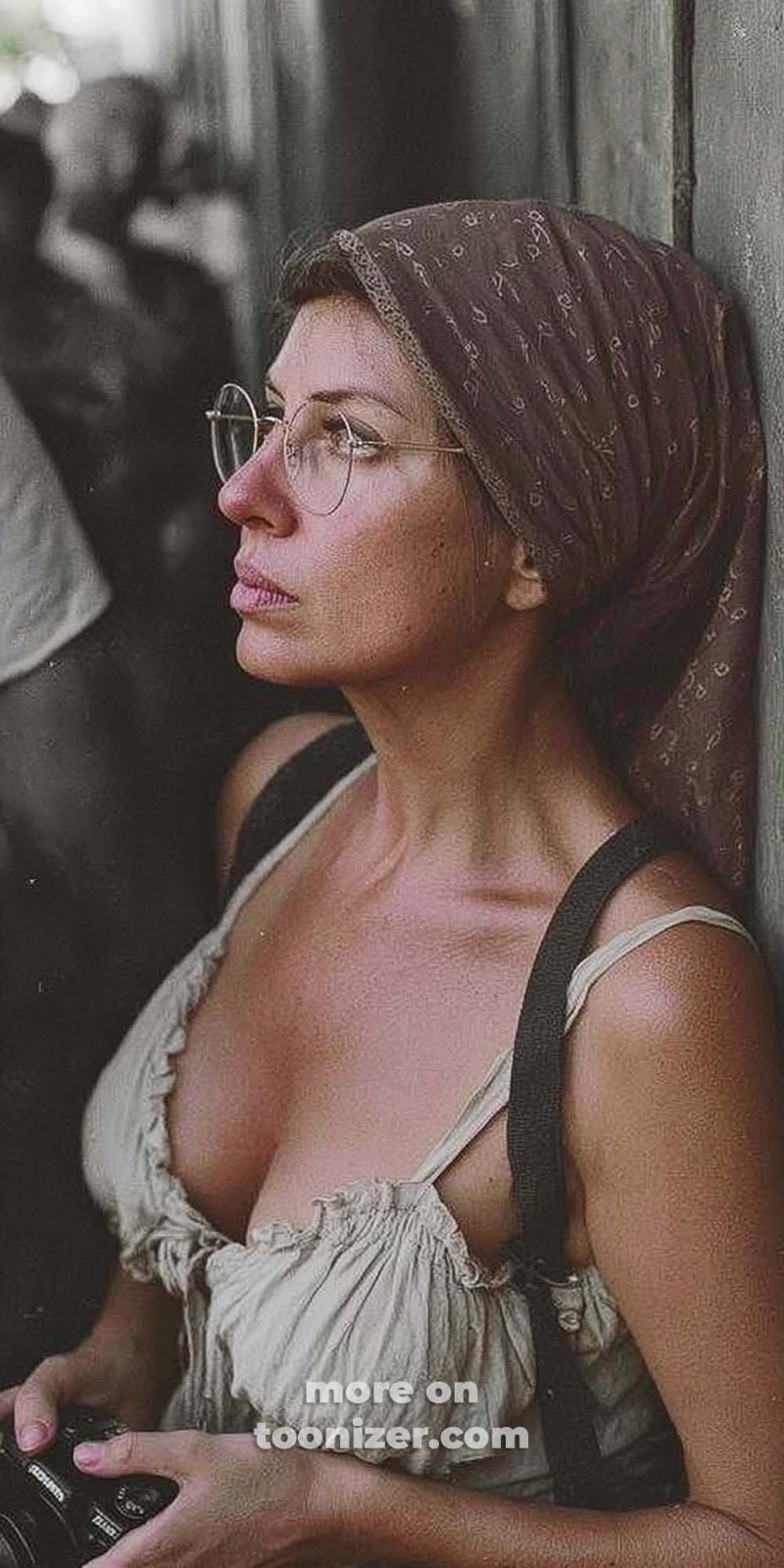
1. Window light from the side. The classic portrait light. The window lights one side of the profile and leaves the other in gentle shadow, which shows the shape of the nose and cheek without harsh edges.
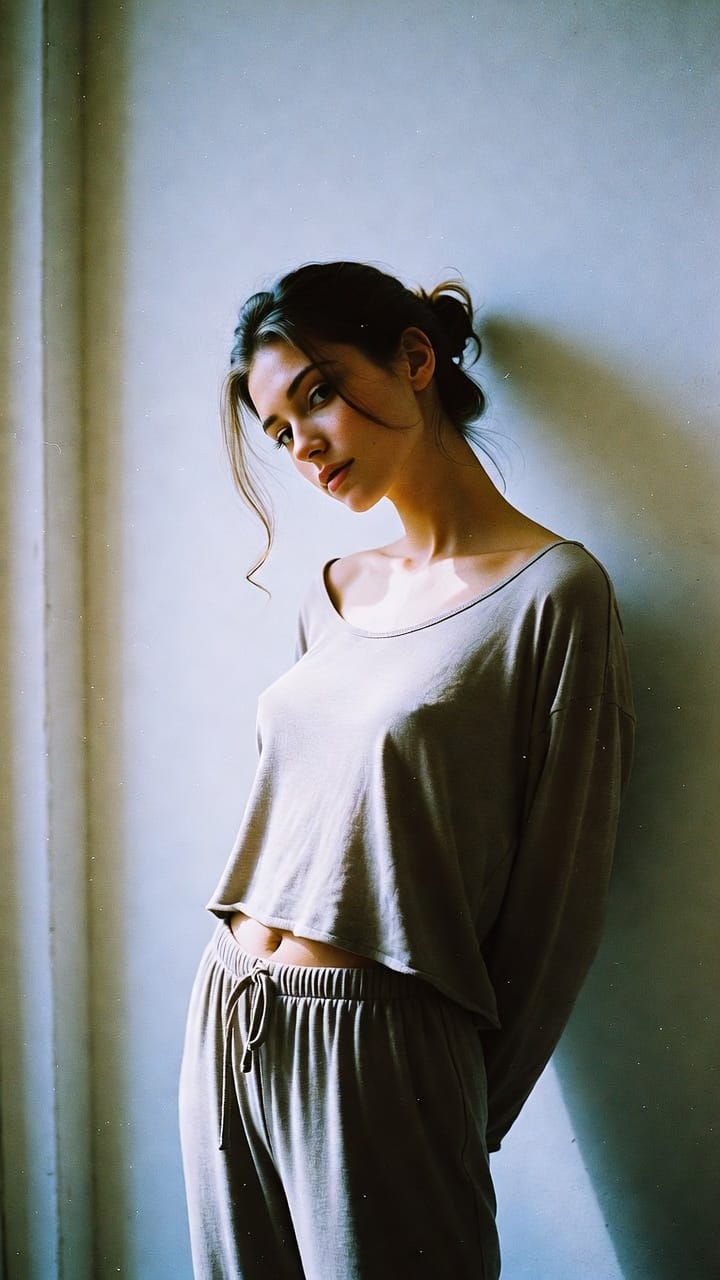
2. Soft side light on a plain wall. With nothing in the background, the light does all the work. Notice how the fall-off across the wall repeats the fall-off across the figure.
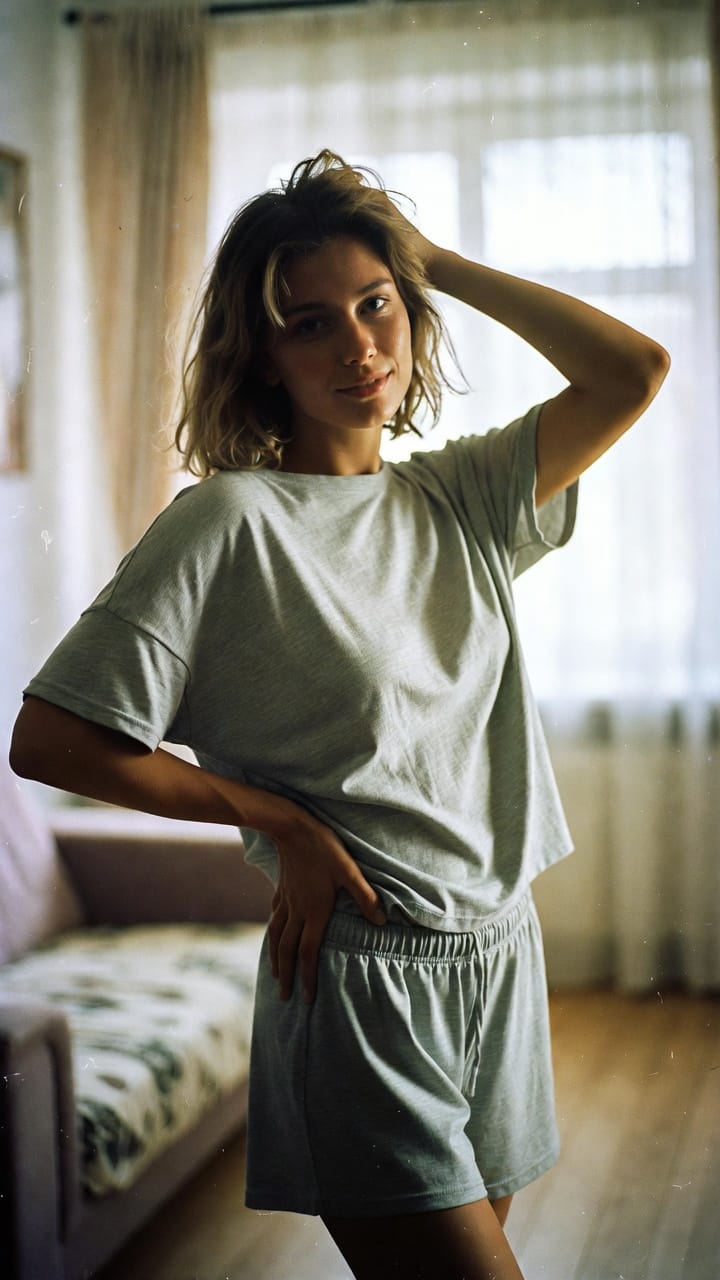
3. Diffused through curtains. Sheer fabric turns the window into one large, soft source. Shadows almost disappear and the whole scene feels calm and morning-like.
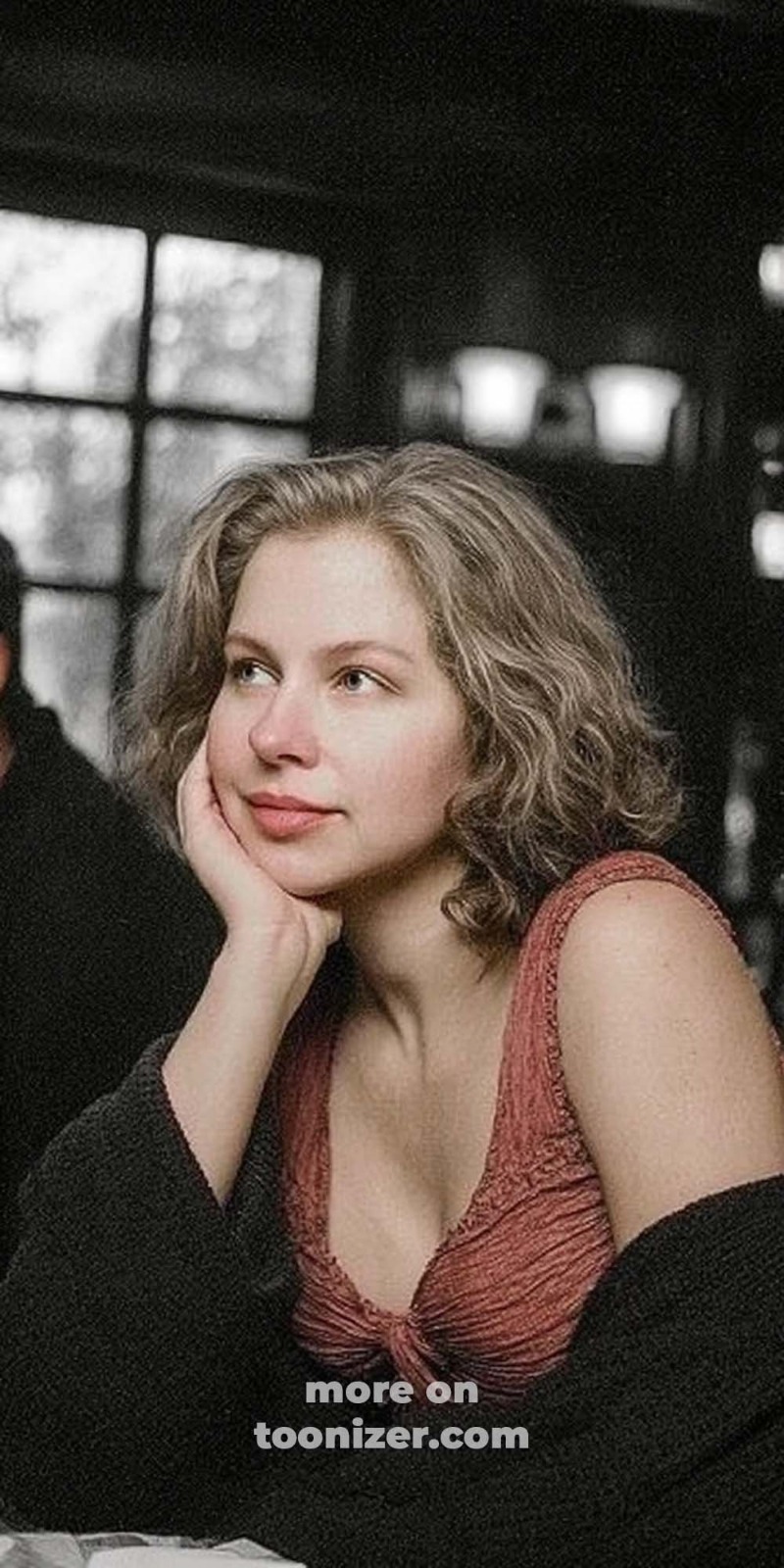
4. Light from behind. The windows are behind her, so the face is lit mostly by light bouncing back from the room. Contrast is low and the outline of the hair picks up a faint glow.
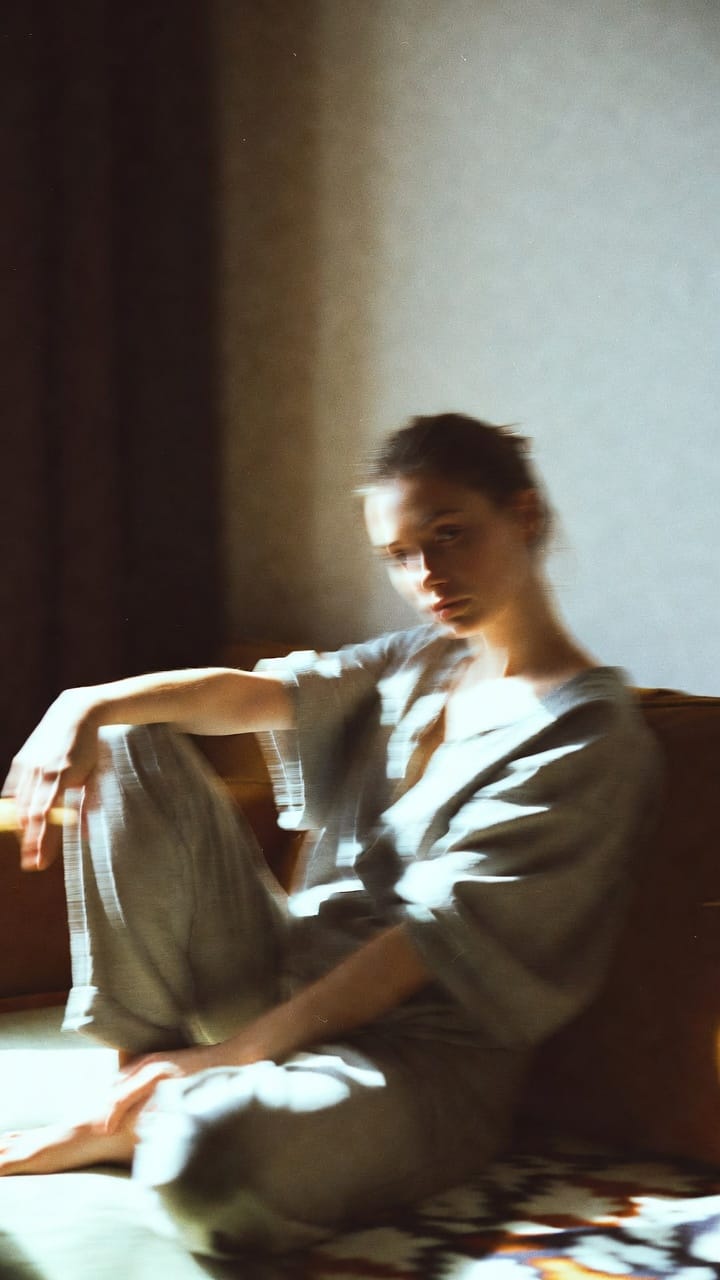
5. Warm sun, low angle. Late-day sun coming in from the side gives warm highlights and long shadows. The slight blur adds to the dreamy feel; in a drawing, softer edges do the same job.
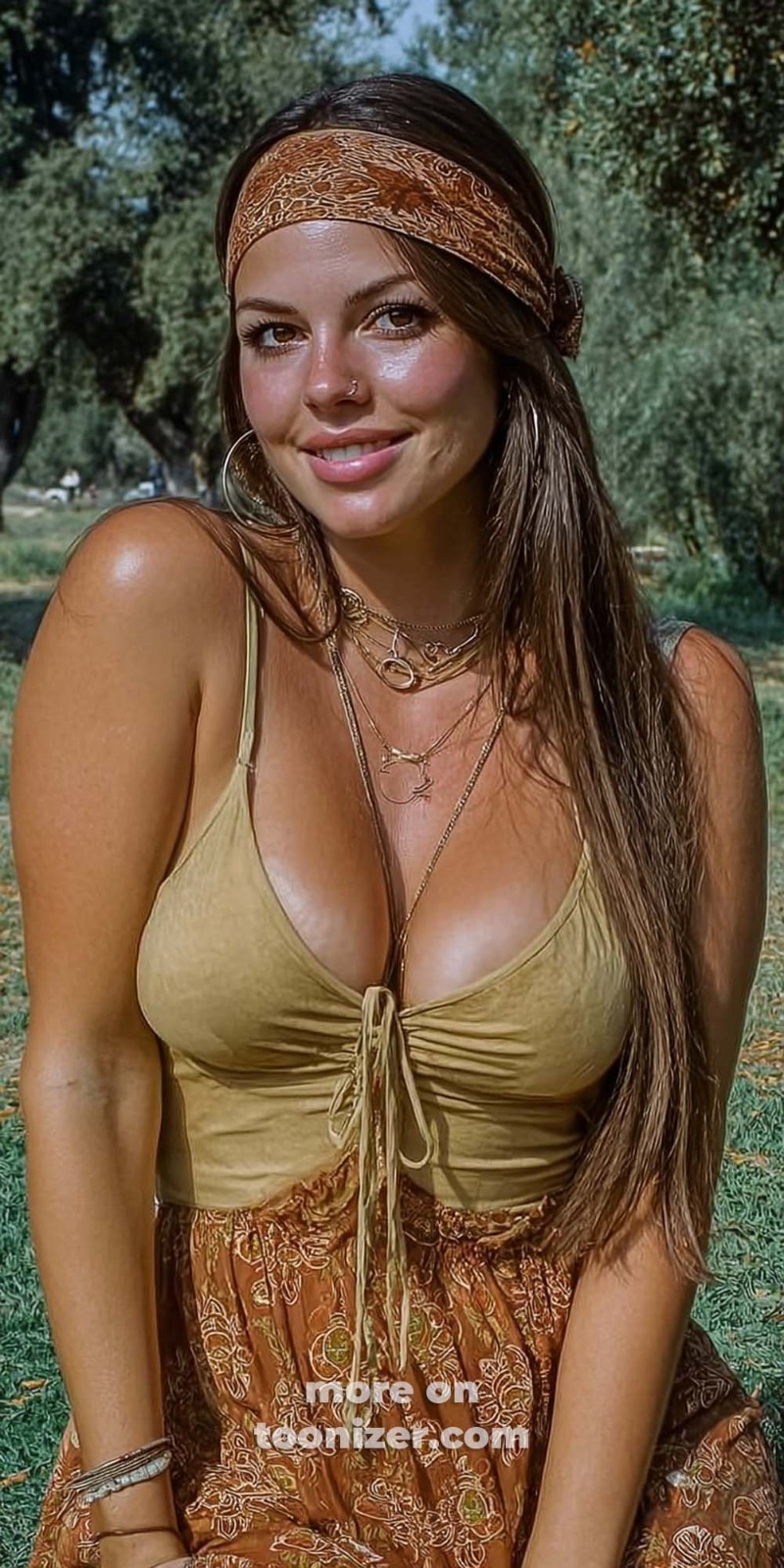
6. Outdoor sunlight. Direct sun is hard light: bright highlights on the face and hair, crisp shadows under the chin and jewellery. Good practice for drawing clear-edged shadow shapes.
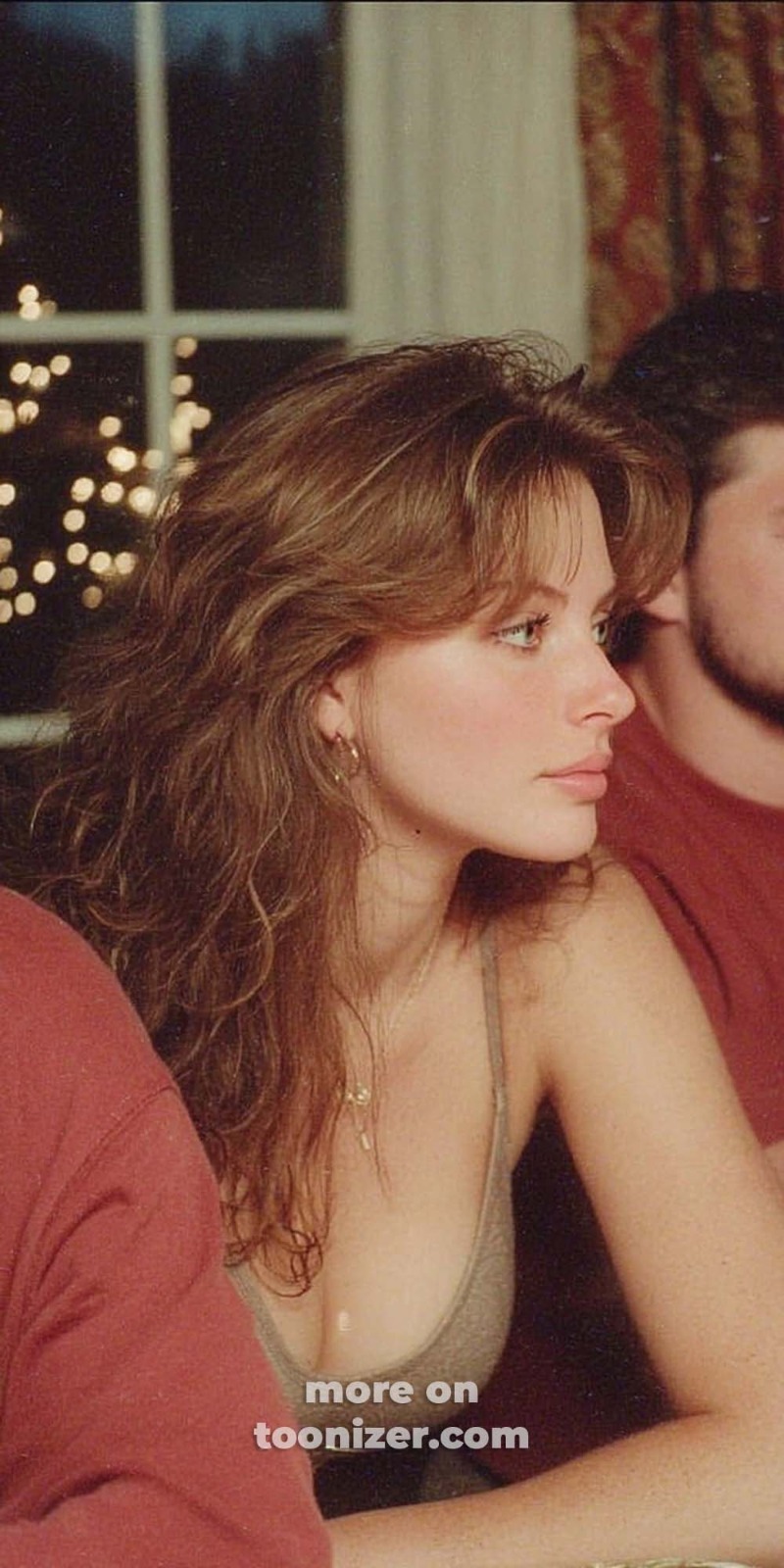
7. Evening interior. Several warm lamps instead of one main source. The light wraps around the face from different directions, and the blurred lights in the window tell you it is night outside.

8. Low, warm and dramatic. A dim room with a single warm source. Most of the frame sits in shadow, so the few lit areas carry the whole image. This is where mood comes almost entirely from light.

9. Coloured light in an illustration. Neon signs throw pink, blue and red onto the face. In illustration, coloured light is an easy way to set a scene: the same face reads very differently under warm and cool colours.
Why this matters for drawing
When you draw from a photo, copy the light as carefully as the shapes. Decide first where the light comes from, then keep every shadow consistent with it. A drawing with accurate anatomy but shadows pointing in different directions will look wrong before anyone can say why.
Why it matters for AI cartoons
Cartoon generators read faces through light and shadow too. Soft, even light from the front or side gives the most reliable likeness. Strong backlight, very dim rooms and coloured light can all work, but they push the result toward mood rather than likeness. If you want the cartoon to look like you, start with a photo taken near a window during the day.
Practice ideas
- For each photo, draw a small arrow showing where the light comes from before you start the portrait.
- Make quick two-value studies: only light and shadow, no mid-tones. It shows the light pattern more clearly than any detailed drawing.
- Take two selfies at home, one by a window and one under a ceiling lamp, and compare the shadows on your face.
For pose references, see Drawing References. To see how lighting affects a cartoon, try your own photo in the Toonizer generator, or read the before-and-after examples.
0 Comments