
Two photos of the same street, taken on two different rolls of film, can feel like two different places. One looks warm and golden, the other cool and quiet. That difference comes from the film stock: the emulsion decides how colors shift, how skin looks, how strong the grain is and how highlights fade. This visual guide groups the most common analog film looks by mood, so you can find the one you want before you buy a roll.

If you want the details behind each look, such as ISO, latitude, grain and how a film reacts to over- or underexposure, our sister site Vintizer covers film stocks one by one.
Warm and Golden: Consumer Color Film
Many people picture this look when they think of film: yellow-orange highlights, warm skin, saturated reds and a nostalgic feel. Consumer color negative films in the Kodak Gold and ColorPlus family are known for it. They are usually cheaper than professional stocks, they like bright daylight, and they make ordinary summer scenes look like old family albums.

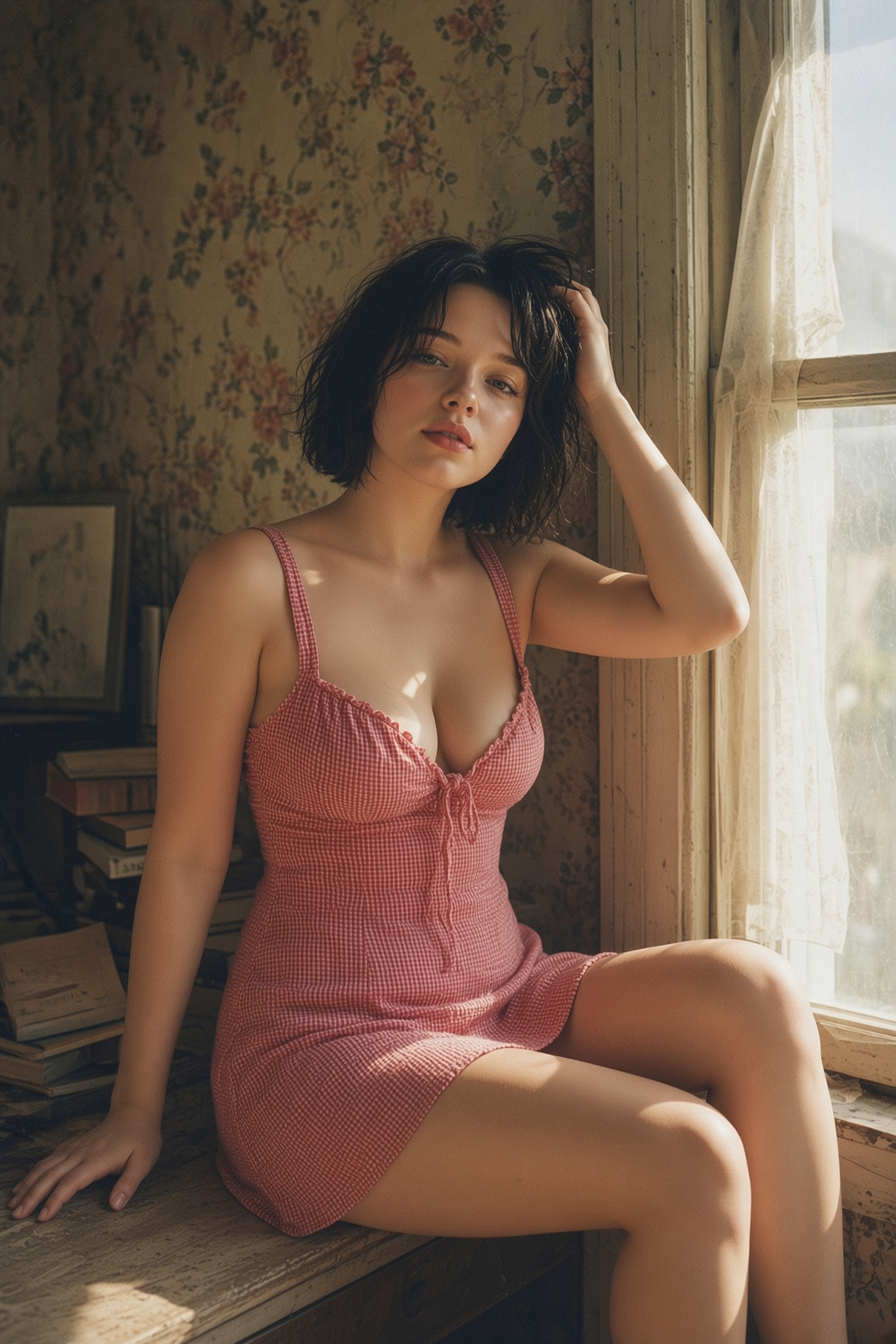

Good for: summer trips, beaches, family photos, golden hour. Compare warm color films on Vintizer.
Soft and Natural: Portrait Film
Professional portrait films such as Kodak Portra are made for skin. Colors stay gentle, contrast is moderate, and the film tolerates a lot of overexposure, so many photographers rate it a little slower than box speed to get brighter, creamier results. It suits window light, indoor portraits and quiet everyday scenes.




Good for: portraits, weddings, interiors, people in shade. See portrait film stocks on Vintizer.
Cool, Green and Saturated: Fuji-Style Color and Slide Film
Some films lean cooler. Fujifilm color negatives are often described as having cleaner greens and blues, which suits foliage, sea and sky. Slide films such as Velvia go further, with deep saturation and strong contrast, but they have little exposure latitude and need careful metering.


Good for: landscapes, travel, tropical light, nature. Read about cool-toned and slide films on Vintizer.
Black and White: Grain, Contrast and Shadow
Without color, a photo depends on light, shape and texture. Classic black-and-white films such as Kodak Tri-X and Ilford HP5 Plus are ISO 400 stocks with visible grain and wide latitude. They can also be pushed to higher speeds in development, which adds contrast and grain. Black-and-white is also the easiest film to develop at home.



Good for: street, portraits, low light, home developing. Explore black-and-white film stocks on Vintizer.
Faded and Unpredictable: Expired Film and Old Prints
Film loses sensitivity as it ages, especially when stored warm. Expired rolls often show color shifts, lower contrast and more base fog. A common rule of thumb is to give one extra stop of exposure for each decade past the date, though results vary. Old prints add their own wear: creases, stains and faded edges. We looked at this look in detail in expired film pictures and damaged analog film.


How to Choose Your First Roll
- Not sure? Start with an ISO 400 color negative film. It handles sun, shade and indoor light reasonably well.
- Mostly bright daylight? ISO 100–200 gives finer grain.
- Want to learn exposure? Try black-and-white. It forgives mistakes and is cheap to develop.
- Shooting people? A portrait film keeps skin tones natural.
- Want surprises? Buy one expired roll, overexpose it, and keep your expectations open.
Find your film on Vintizer
Vintizer is our sister site about analog photography. It has a profile for each film stock, with sample looks, ISO, grain and handling notes, so you can compare rolls before you buy.
If you are planning a trip, our guide to keeping an analog travel journal covers shooting film in heat and strong sun. For instant film, see Polaroid travel photography.
Frequently Asked Questions
What is a film stock?
A specific type of photographic film, defined by its emulsion, sensitivity (ISO) and process. Each stock renders color, contrast and grain in its own way.
Which film stock is best for beginners?
An ISO 400 color negative film is a forgiving start. It works in most light and can be developed at almost any lab.
Why do some film photos look warm and others cool?
Each emulsion responds differently to colors of light, and scanning settings add their own shift. Consumer films often lean warm, while some Fuji stocks lean toward greens and blues.
Can I still shoot expired film?
Yes. Expect color shifts and lower contrast, and give it extra exposure. Film stored cold usually ages better.
0 Comments