
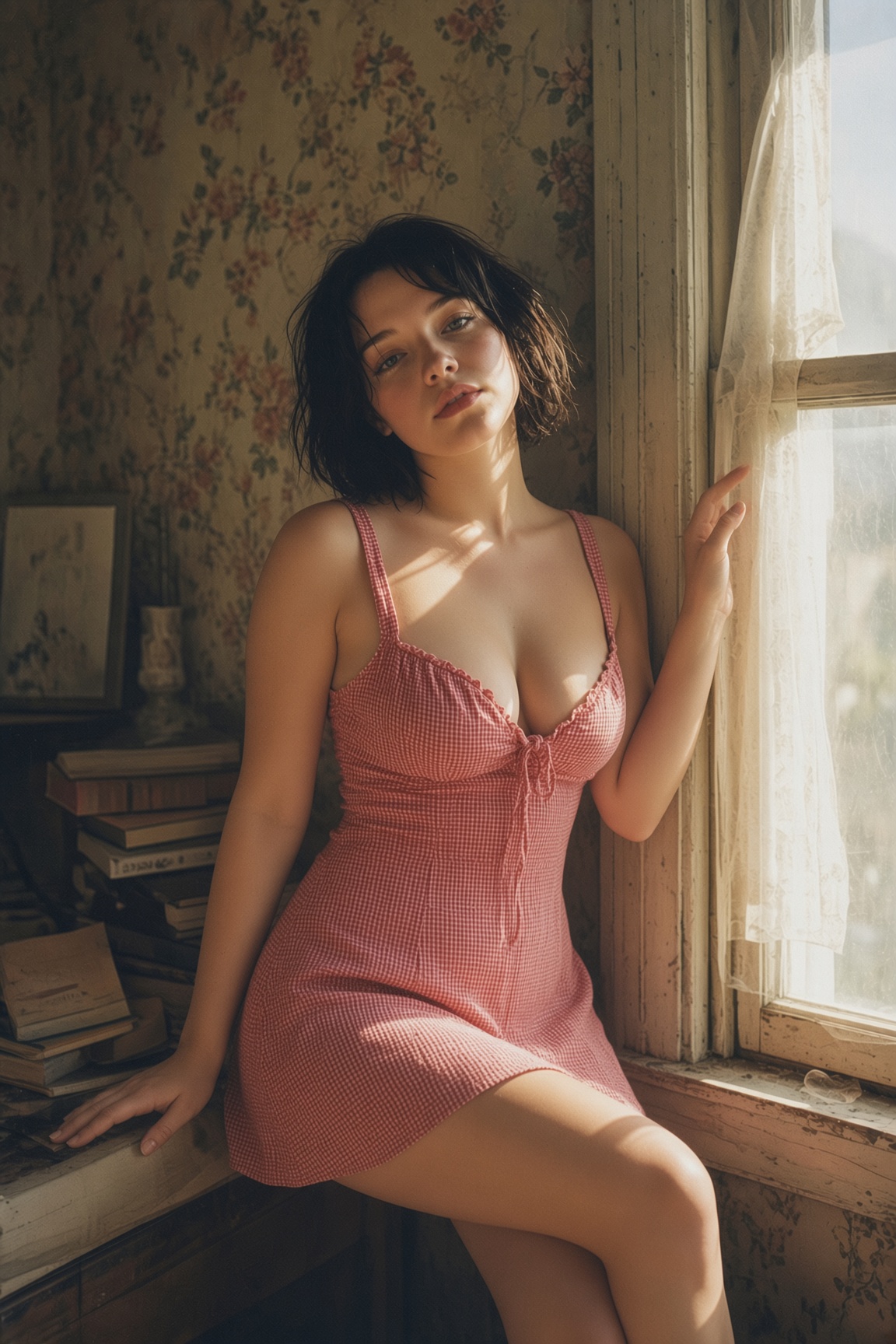
Most reference photos you find online are one-offs. A pose here, a pose there, different people, different lighting. You draw one, feel decent about it, then move on and start from zero again.
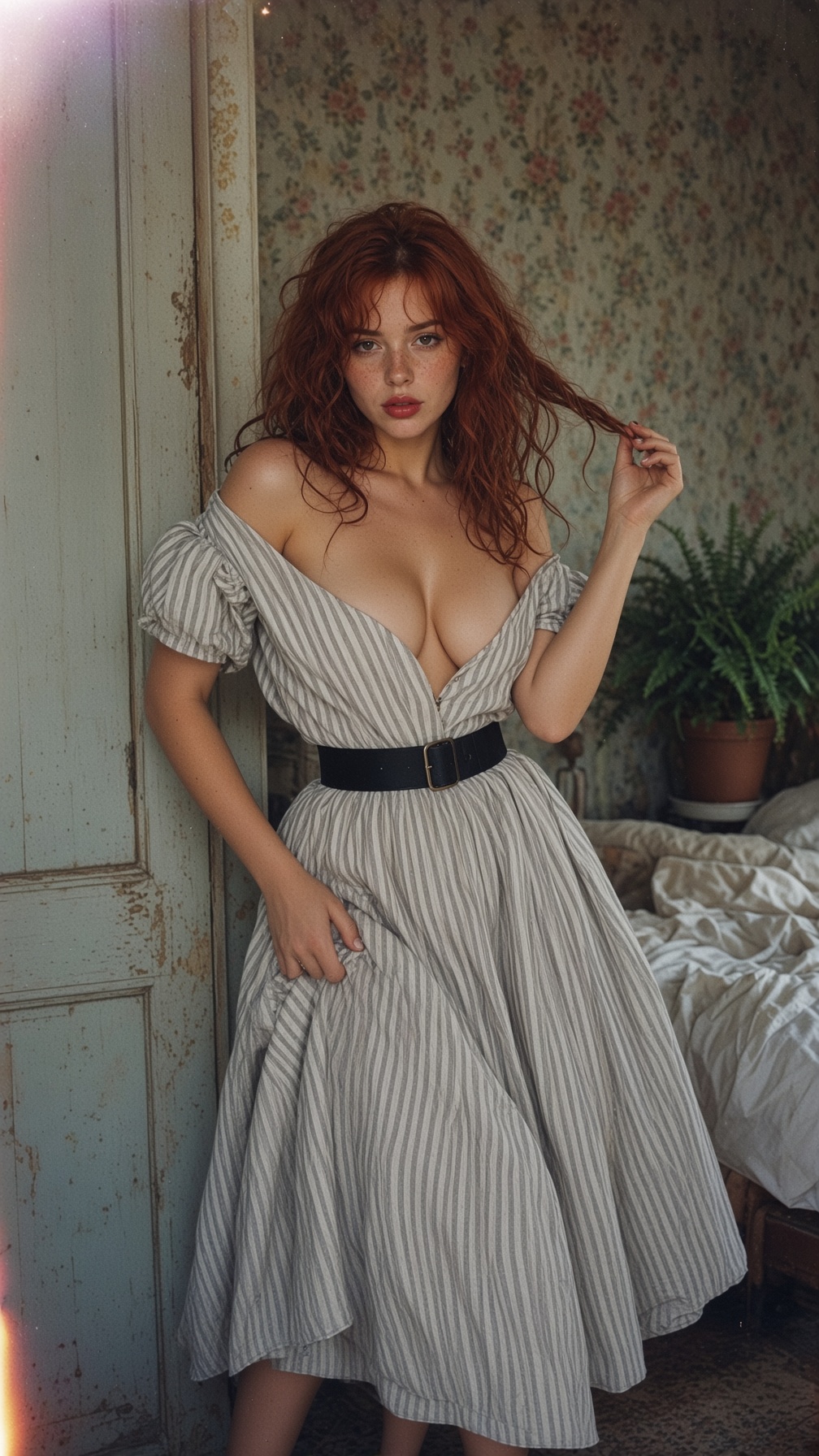
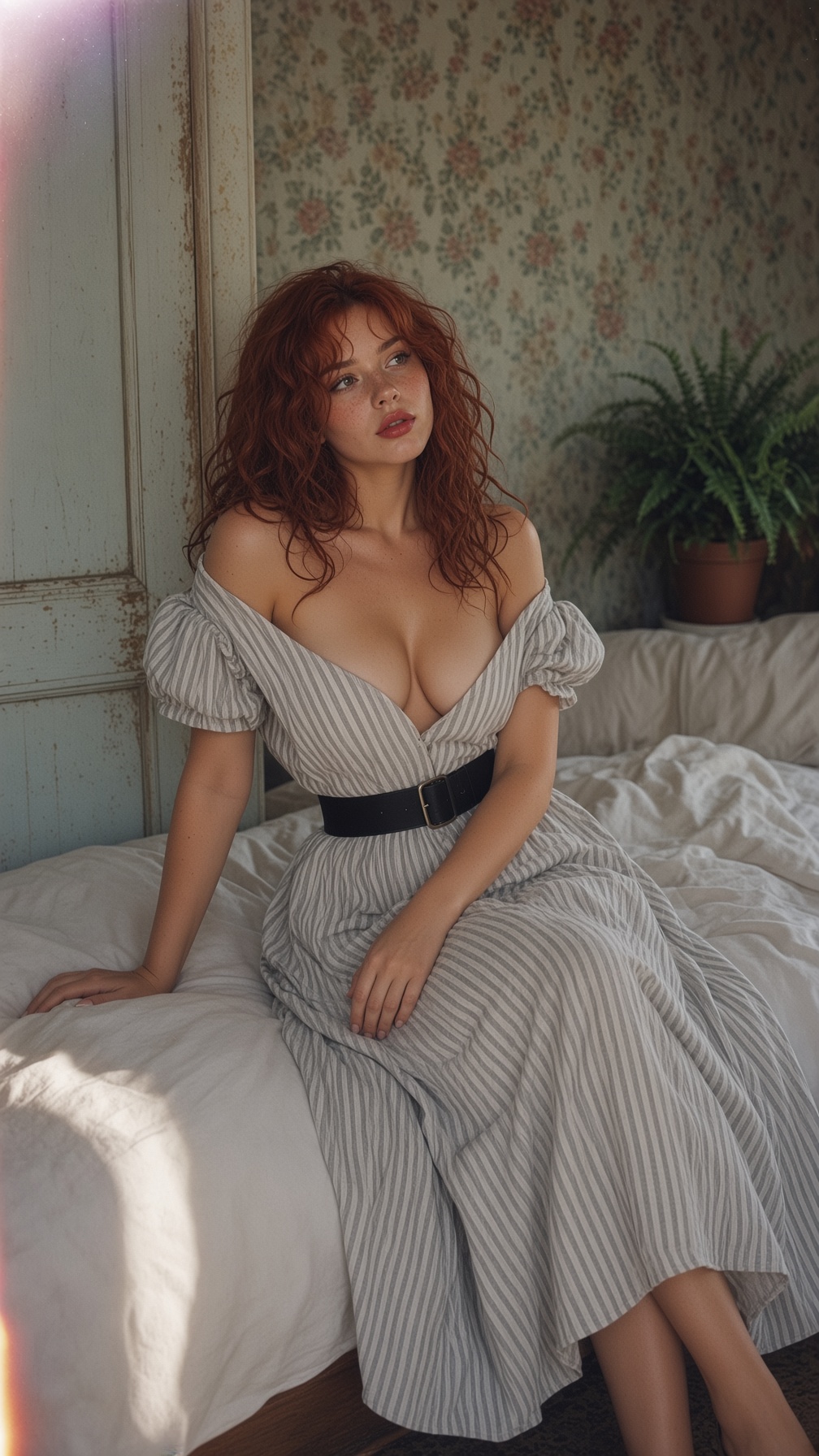
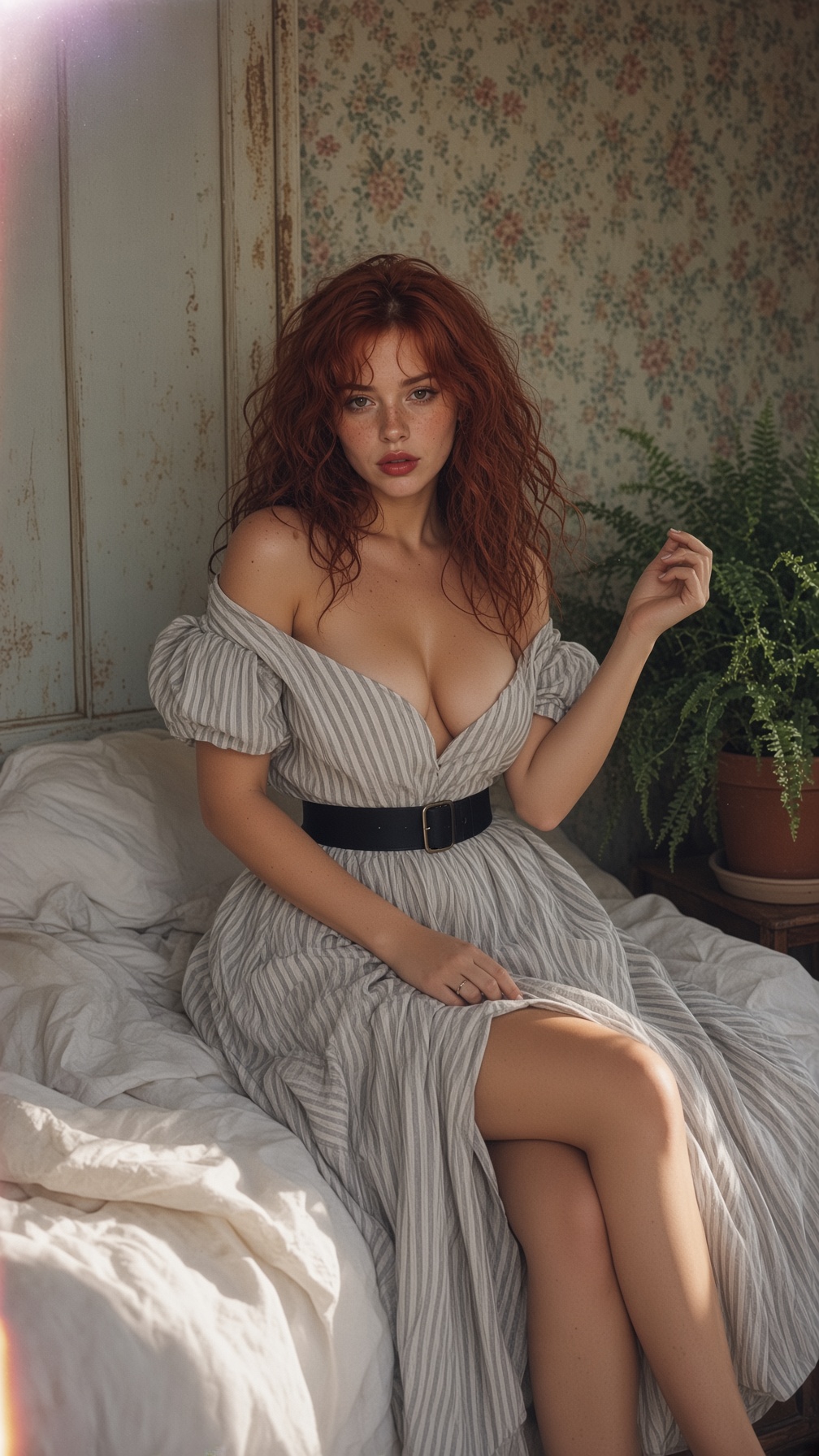
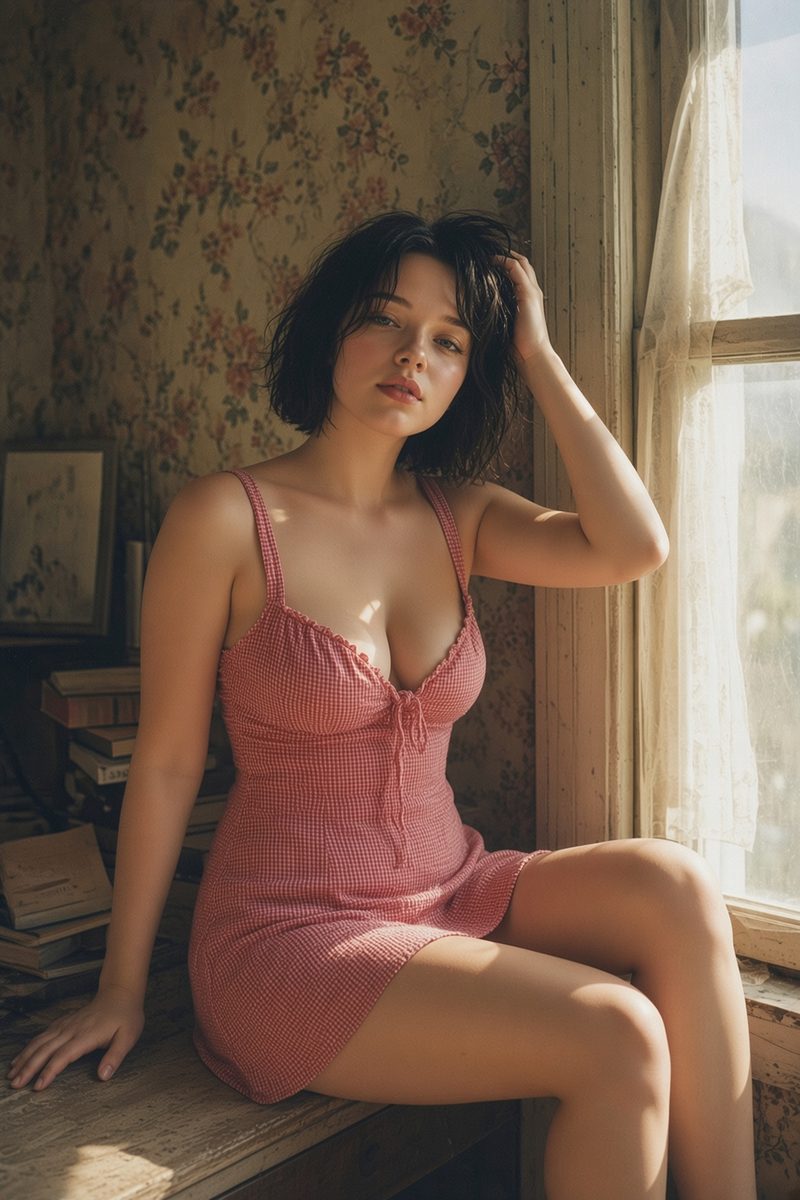
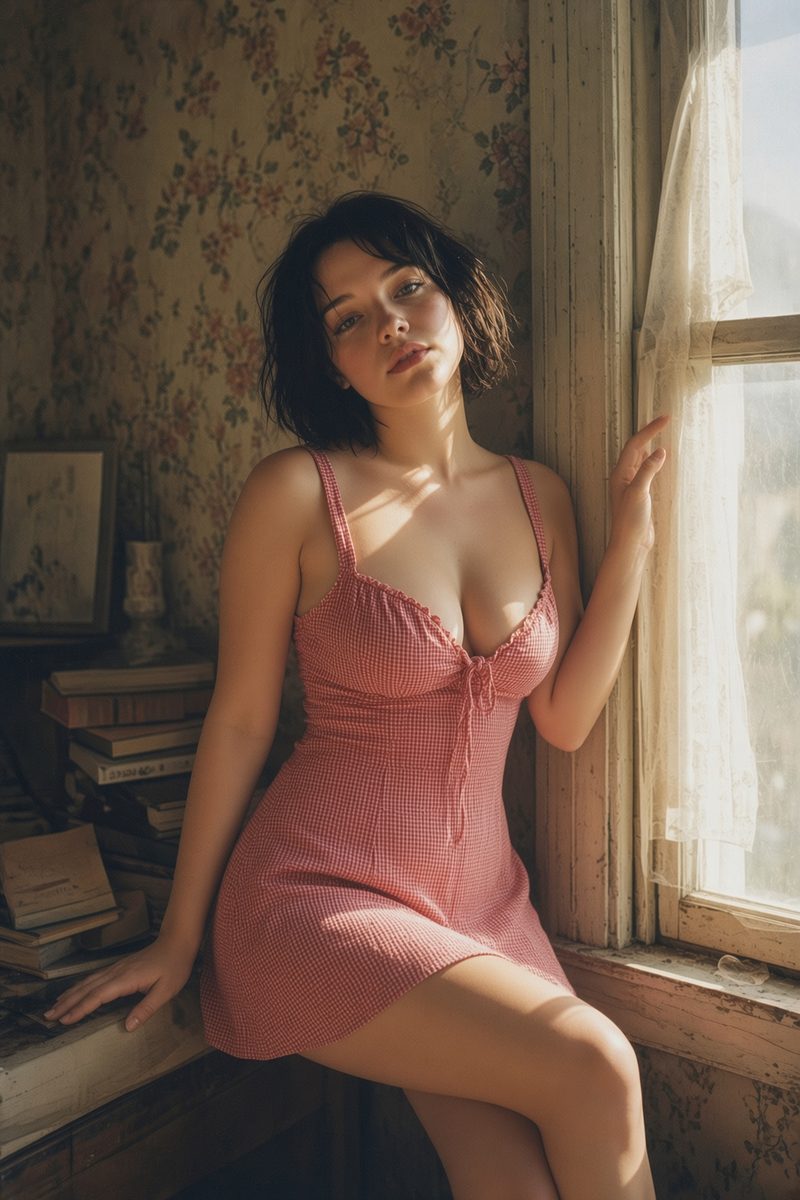
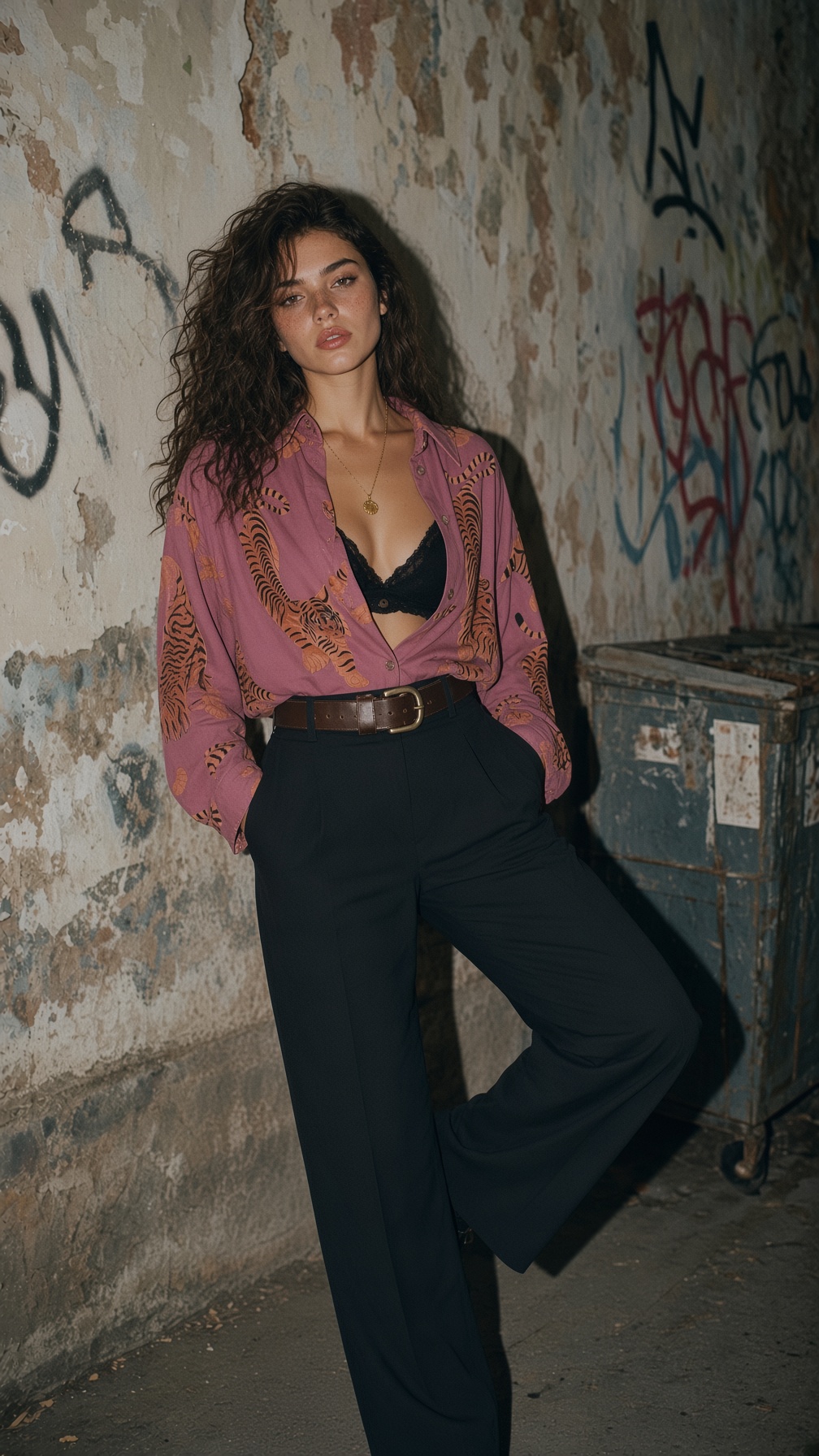
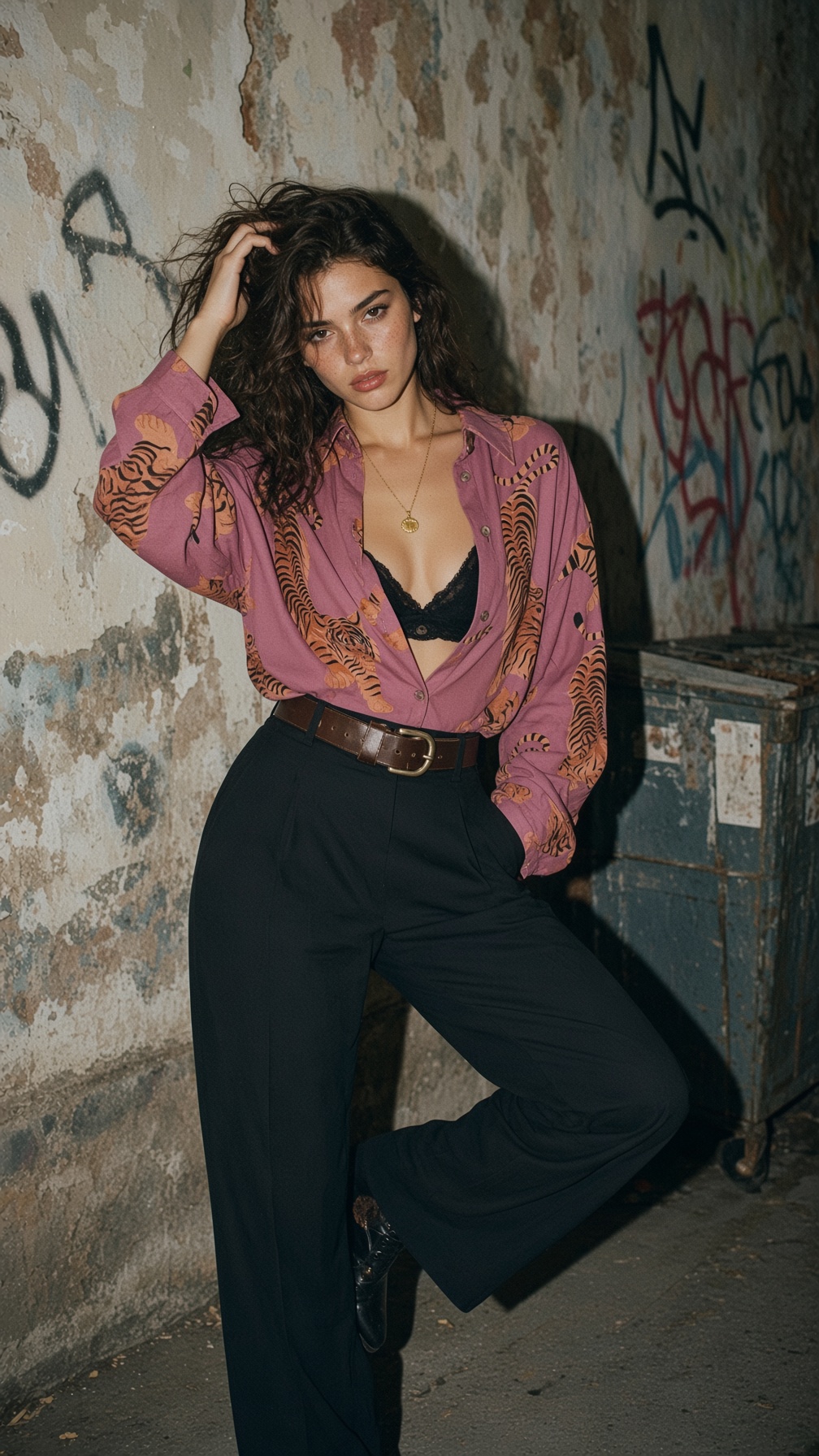
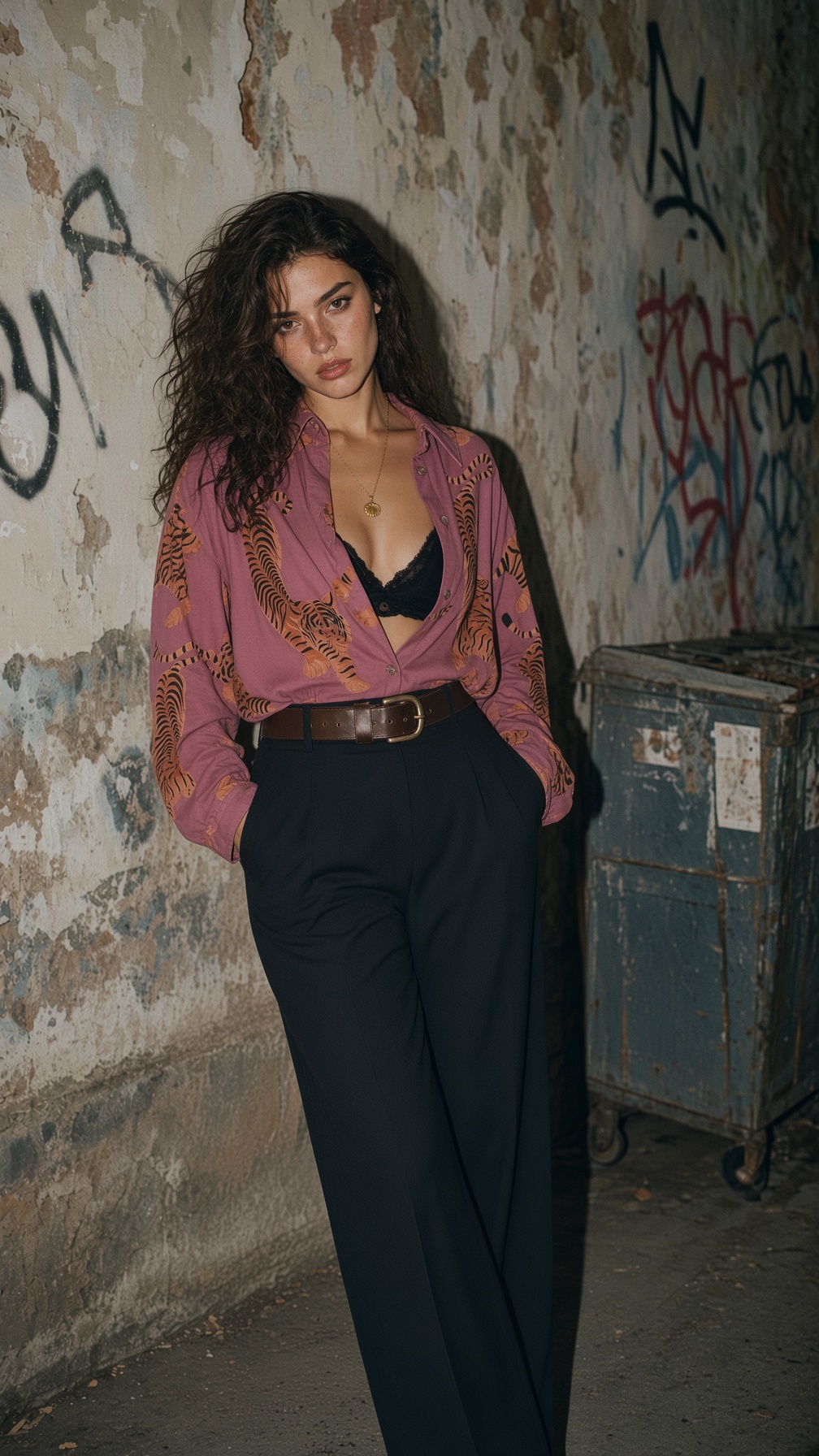
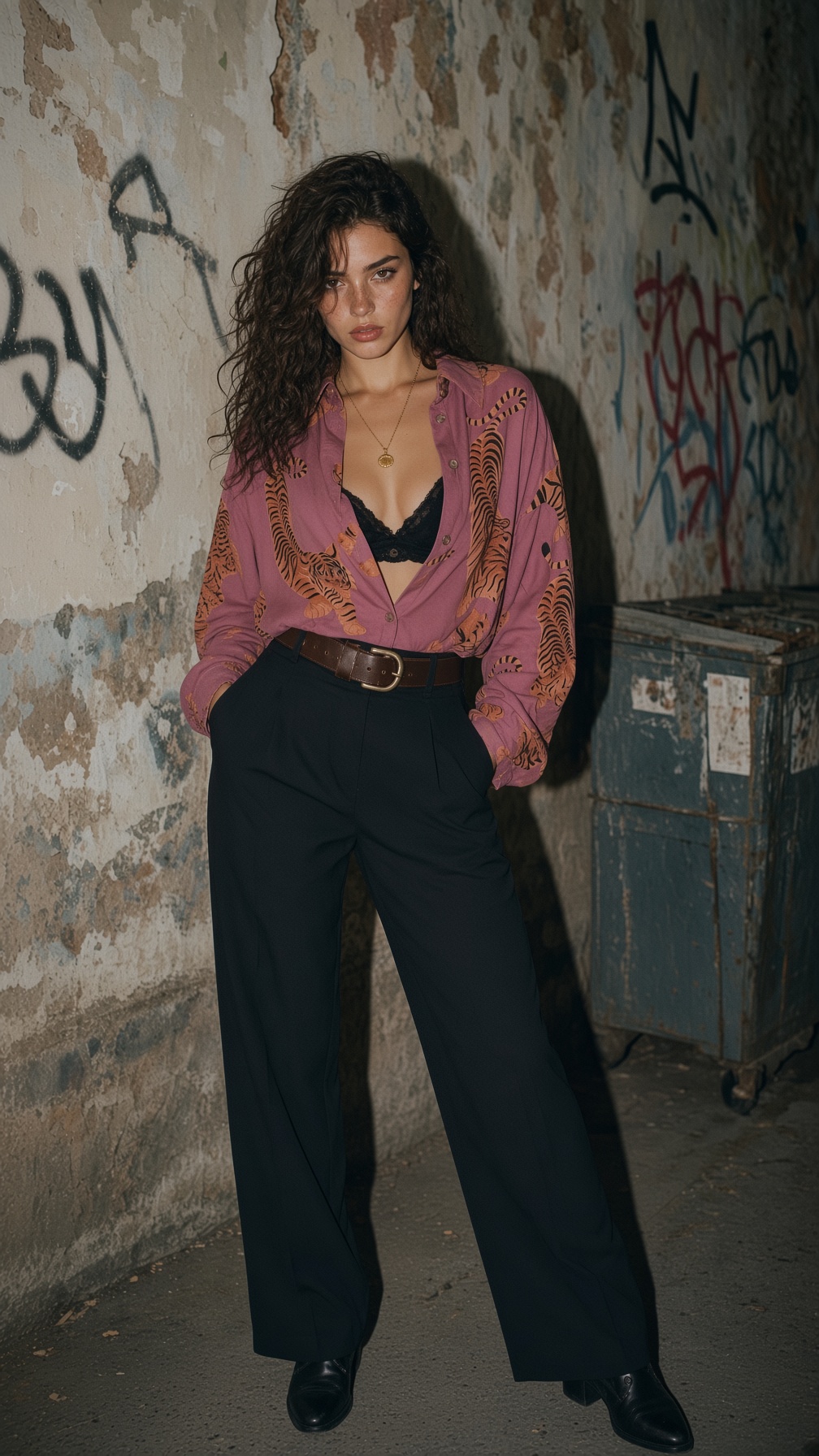
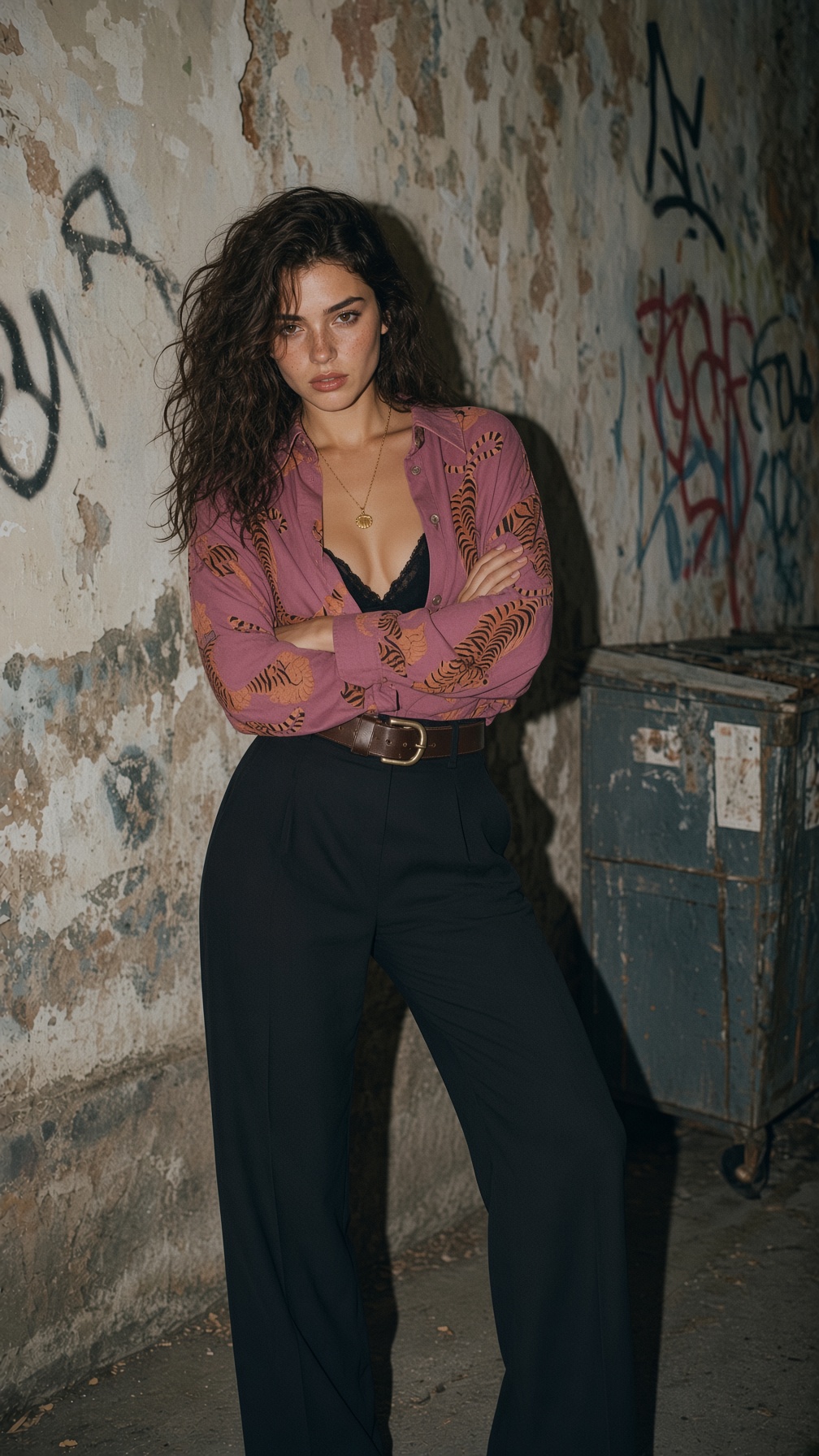
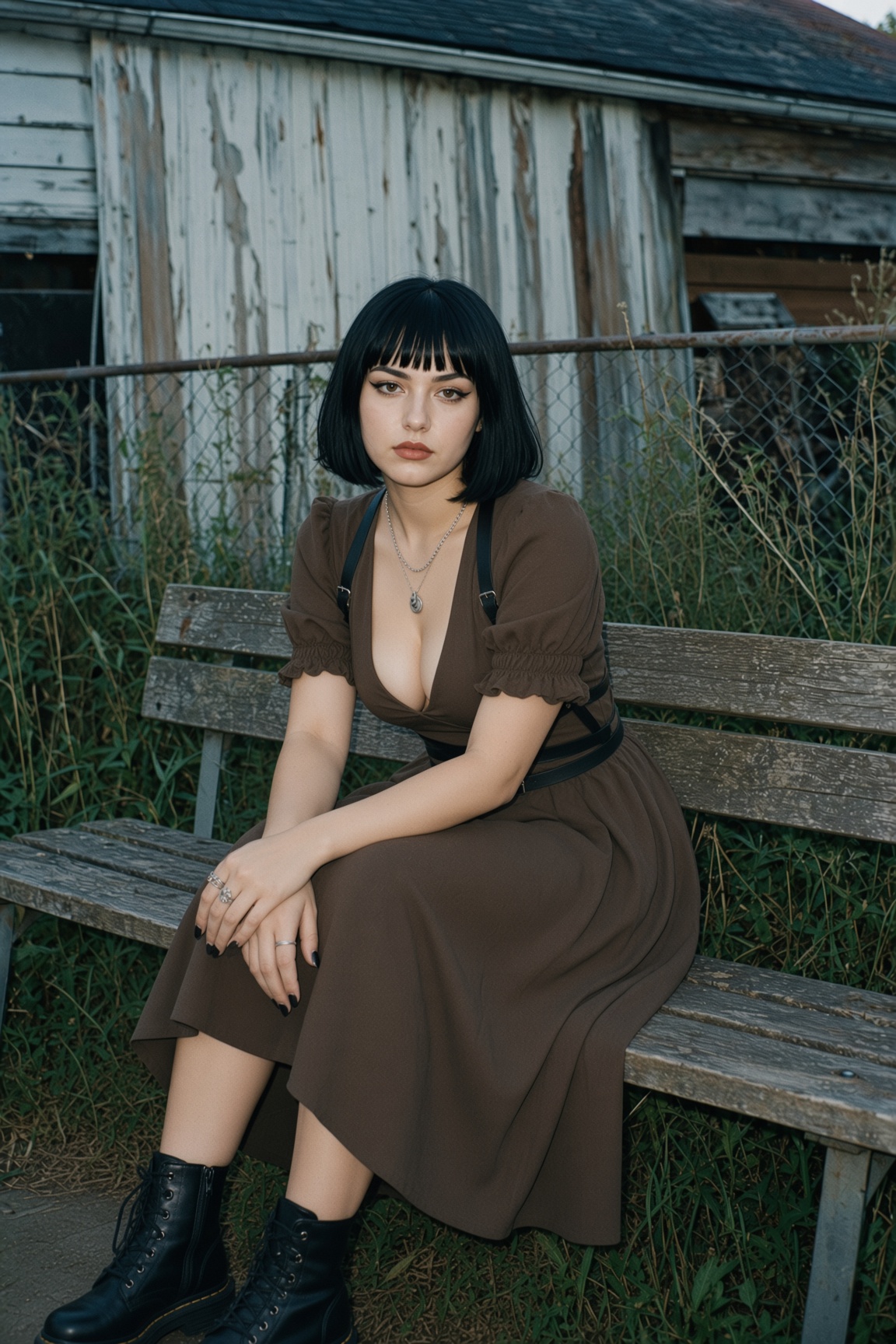
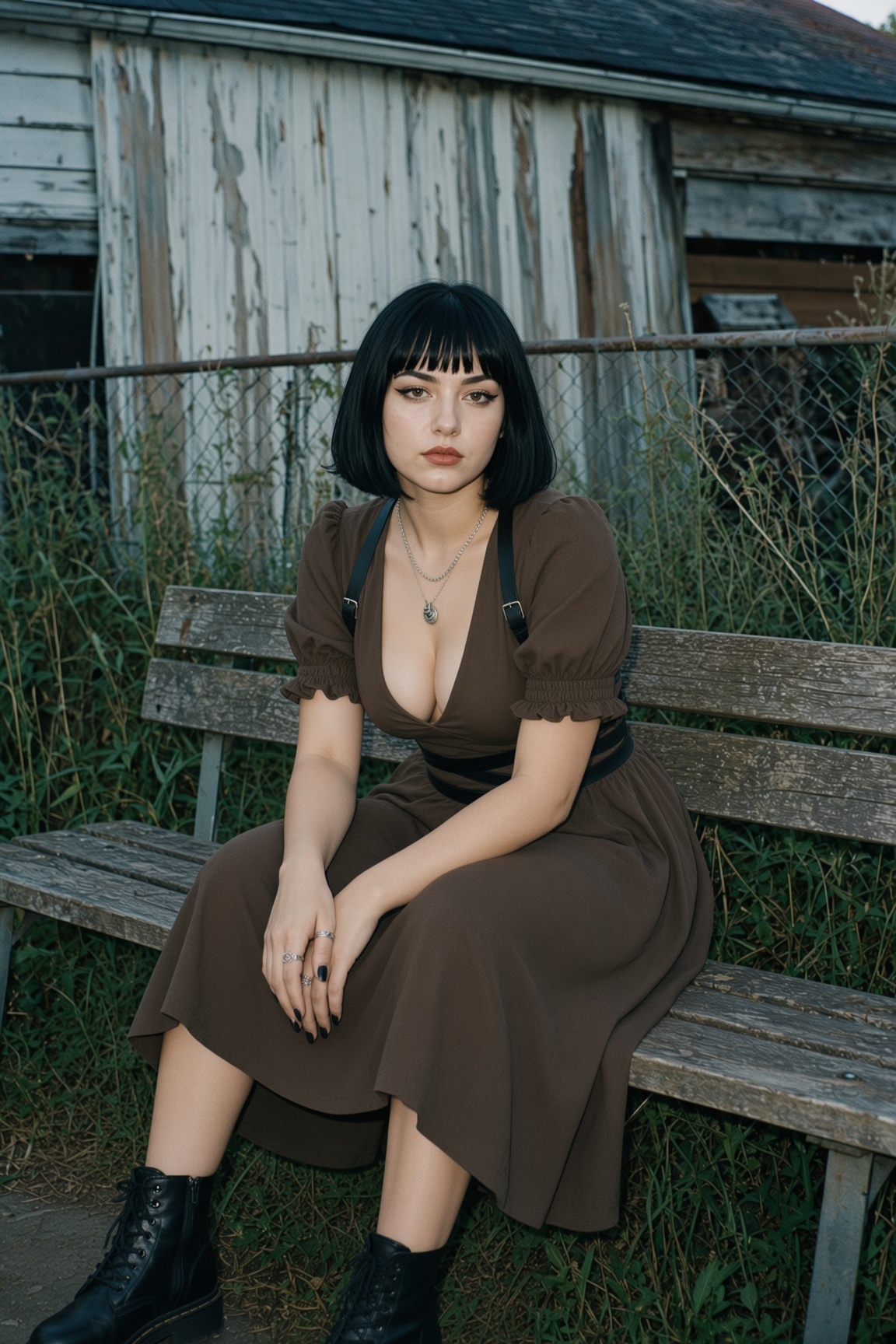
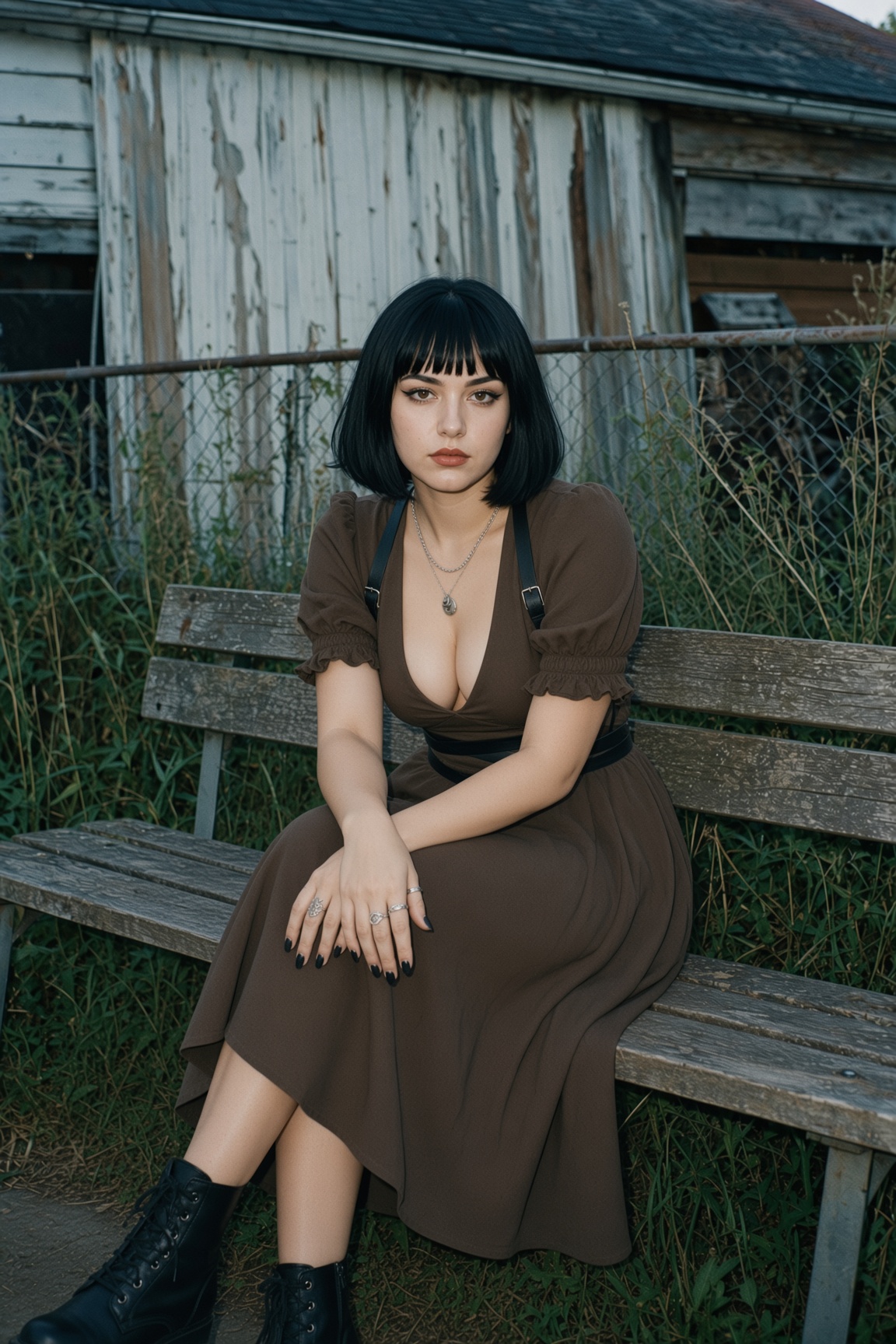
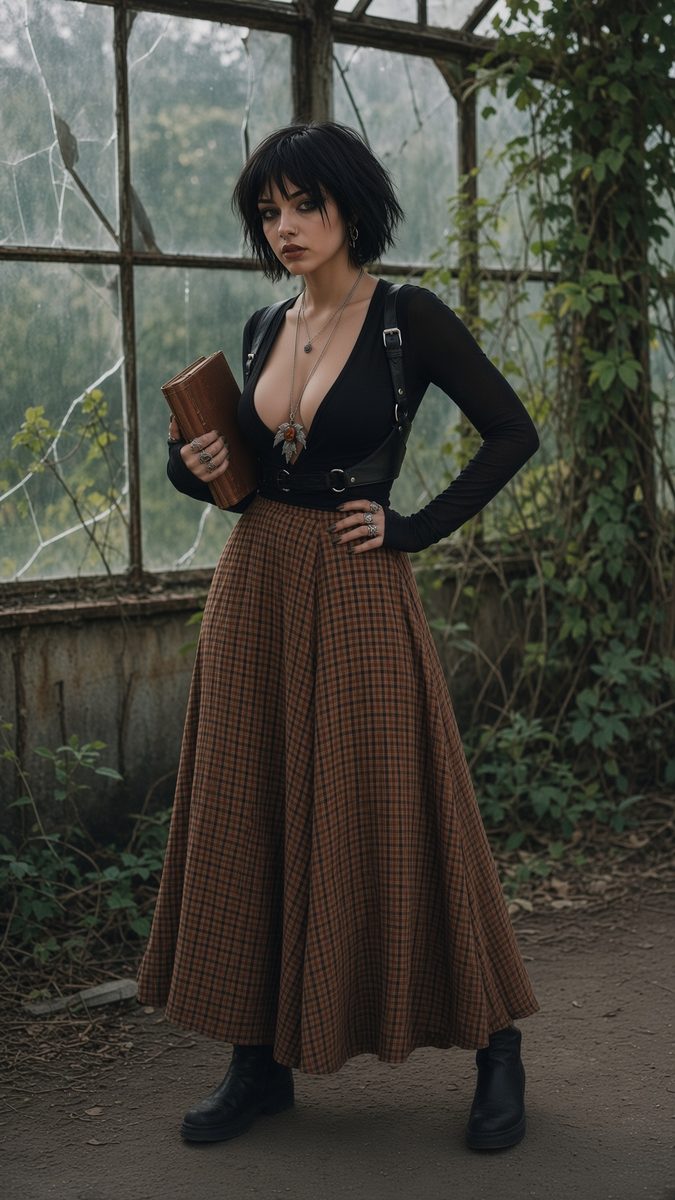
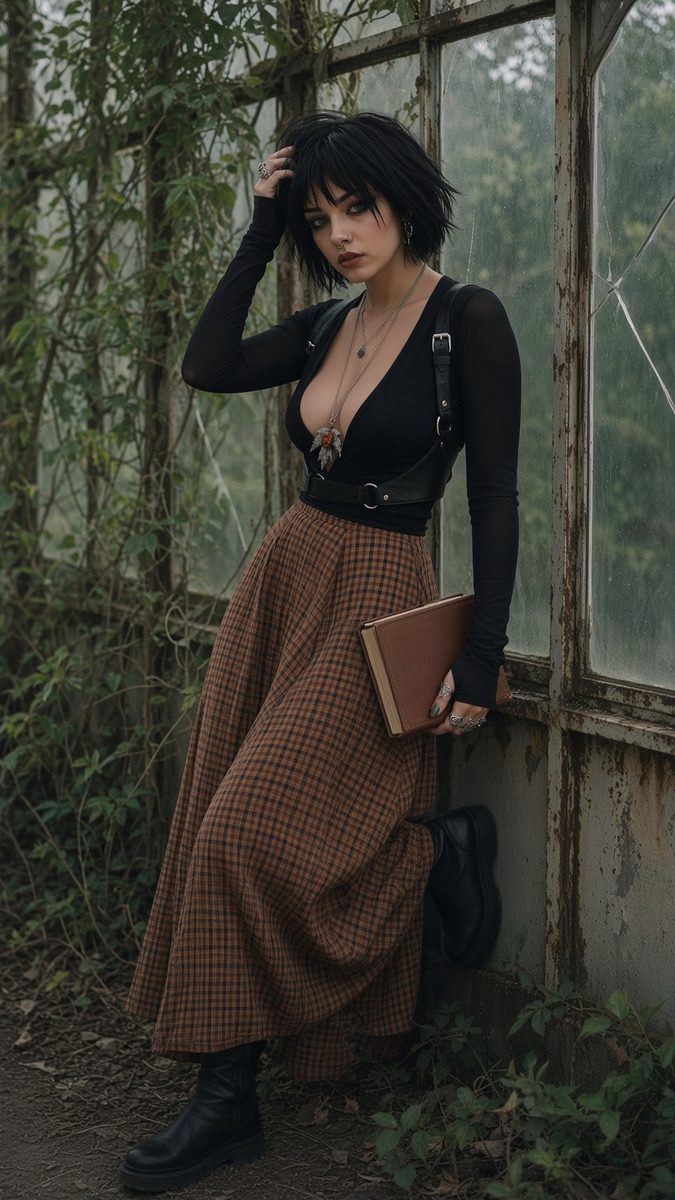
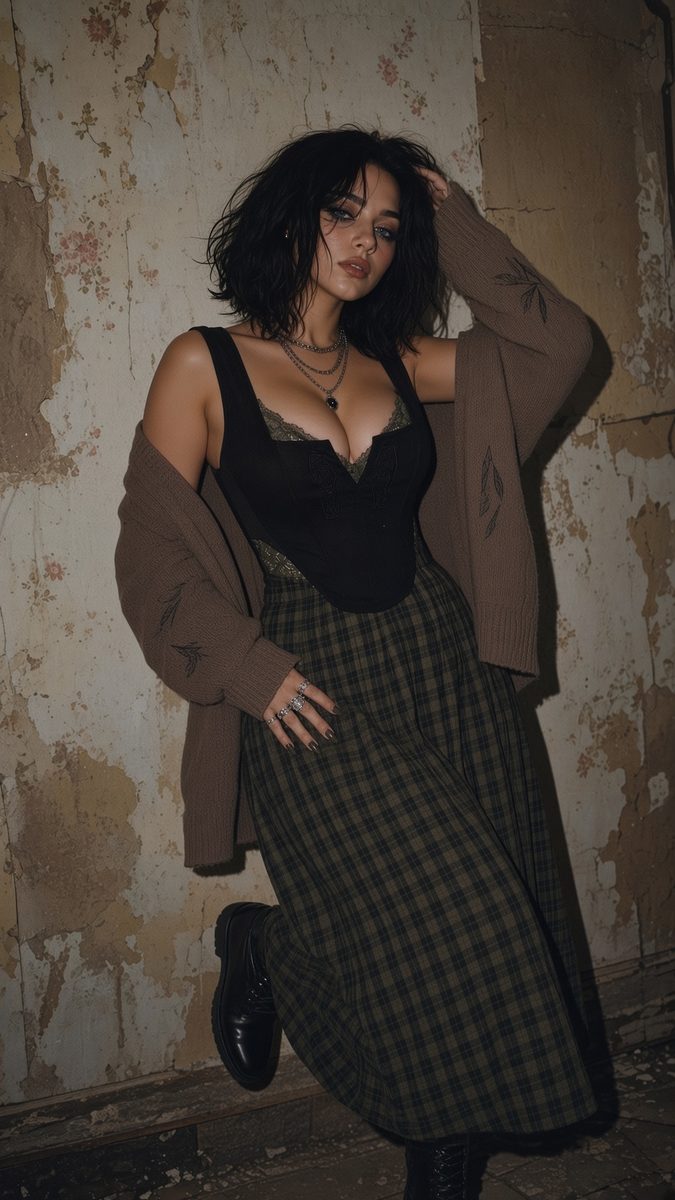
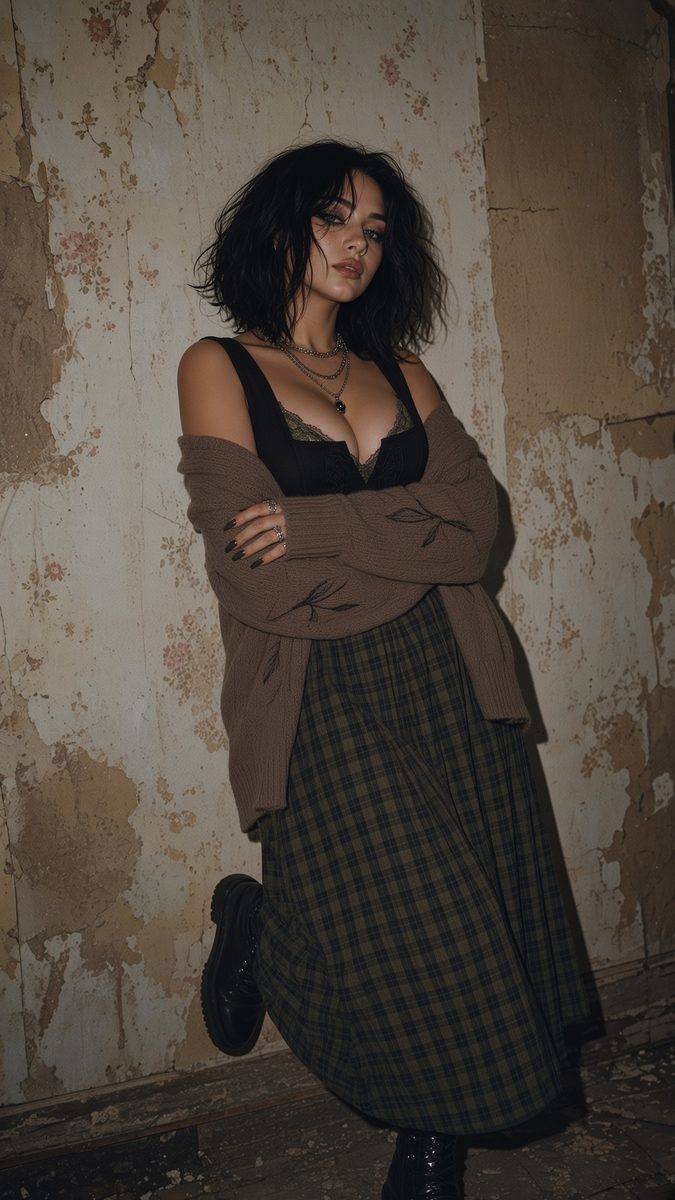
These sets work differently. There are ten of them, each with 3–5 photos of the same model — around 50 photos in total. Same person, same lighting, same distance. When you work through one set, you’re drawing one figure from a few angles instead of five strangers once each. That turns out to make a real difference.
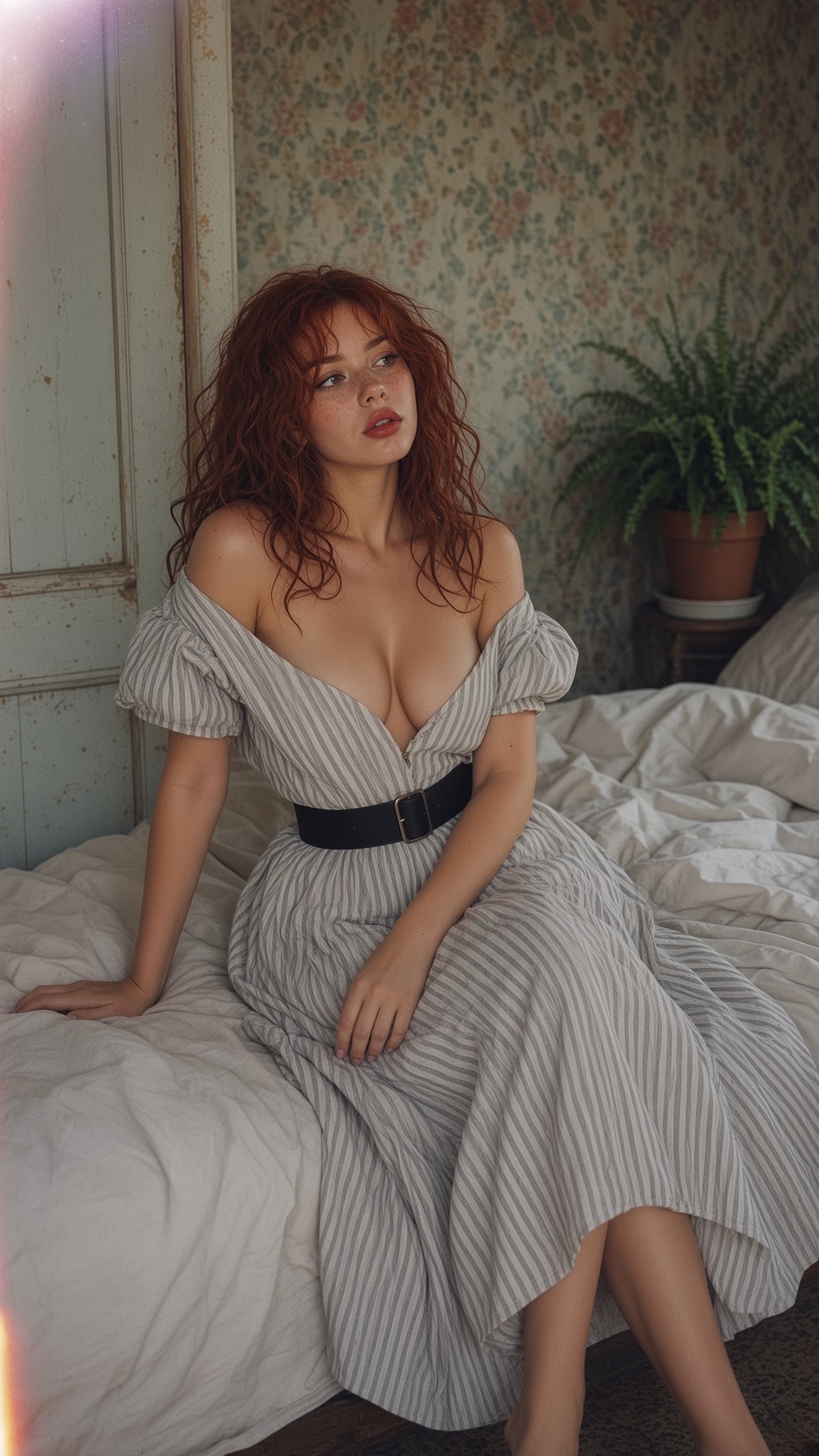
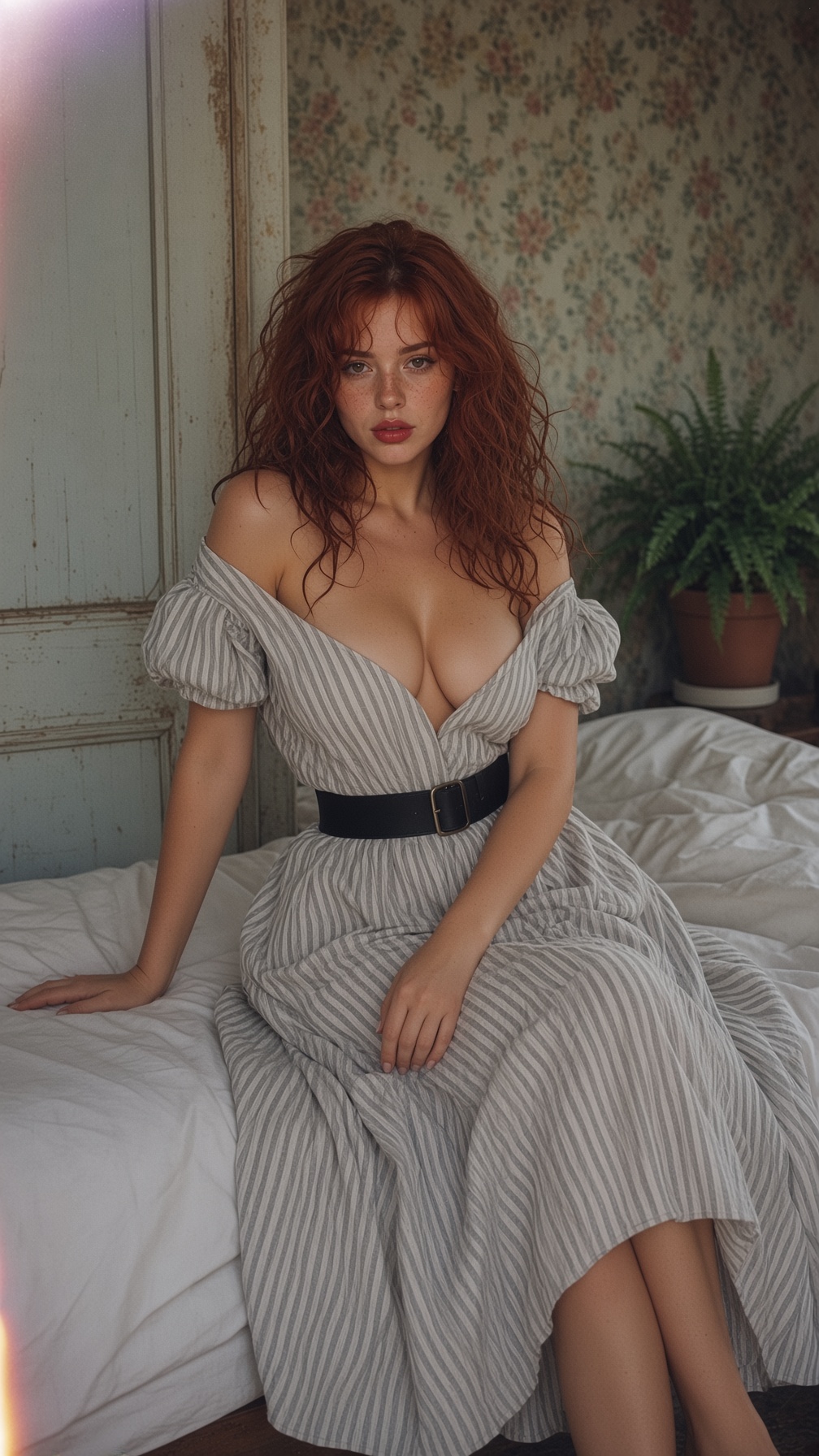
Why the same model helps
When you only ever see a pose once, you copy it. When you see the same person standing, walking and sitting, you slowly start to understand how that person is put together.
A few things you’ll notice:
- Proportions stop being guesswork. Shoulder width and leg length stay the same no matter how the pose changes, so you end up measuring the same thing several times until it sticks.
- The outline makes more sense. Seeing a figure from the front and then from the side shows you where the shape narrows and where it widens.
- Clothes behave differently when the body moves. A skirt on a standing figure and the same skirt mid-step are not the same drawing problem.
None of this needs anatomy knowledge. You just need to look at the same person more than once.
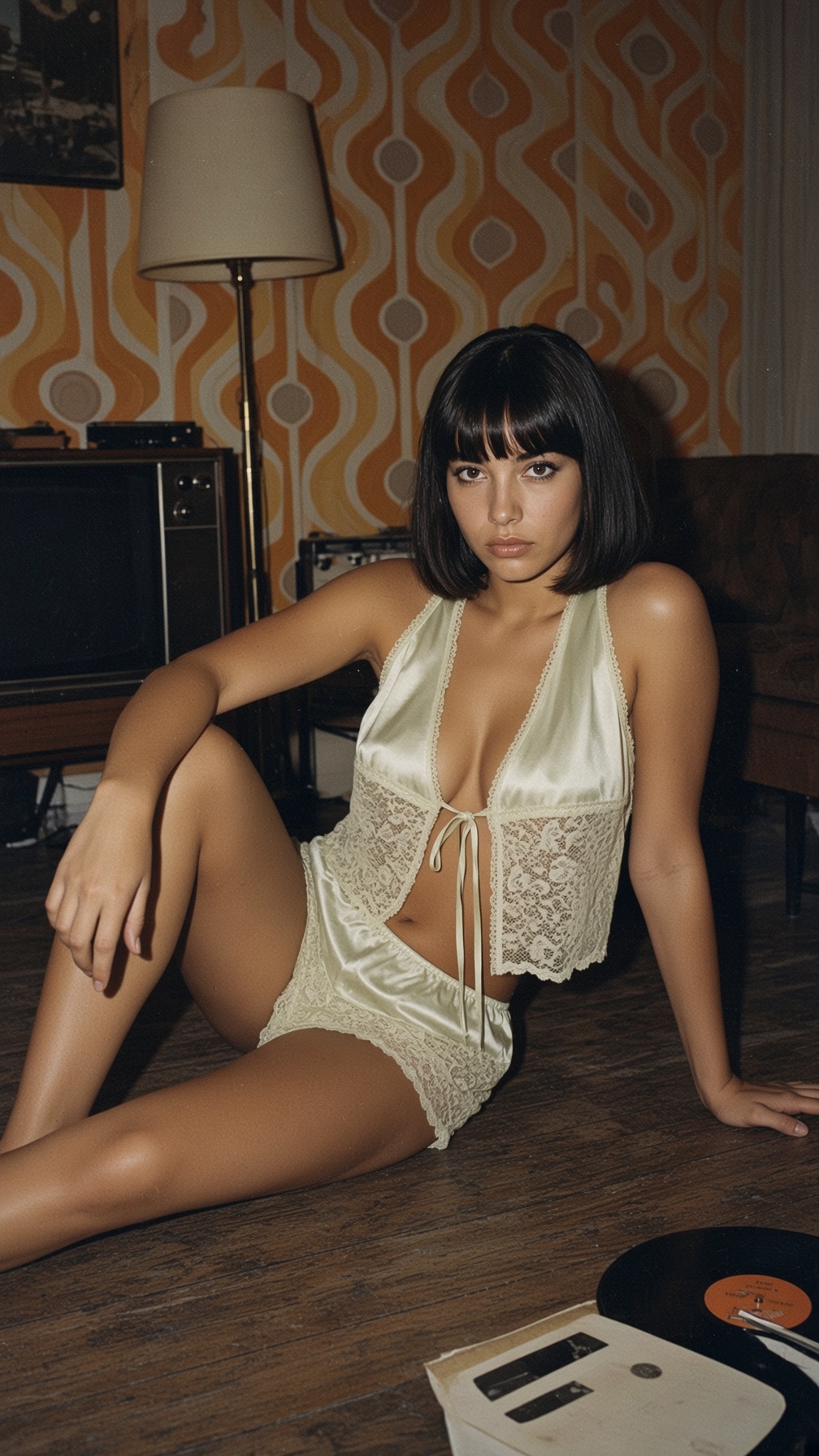
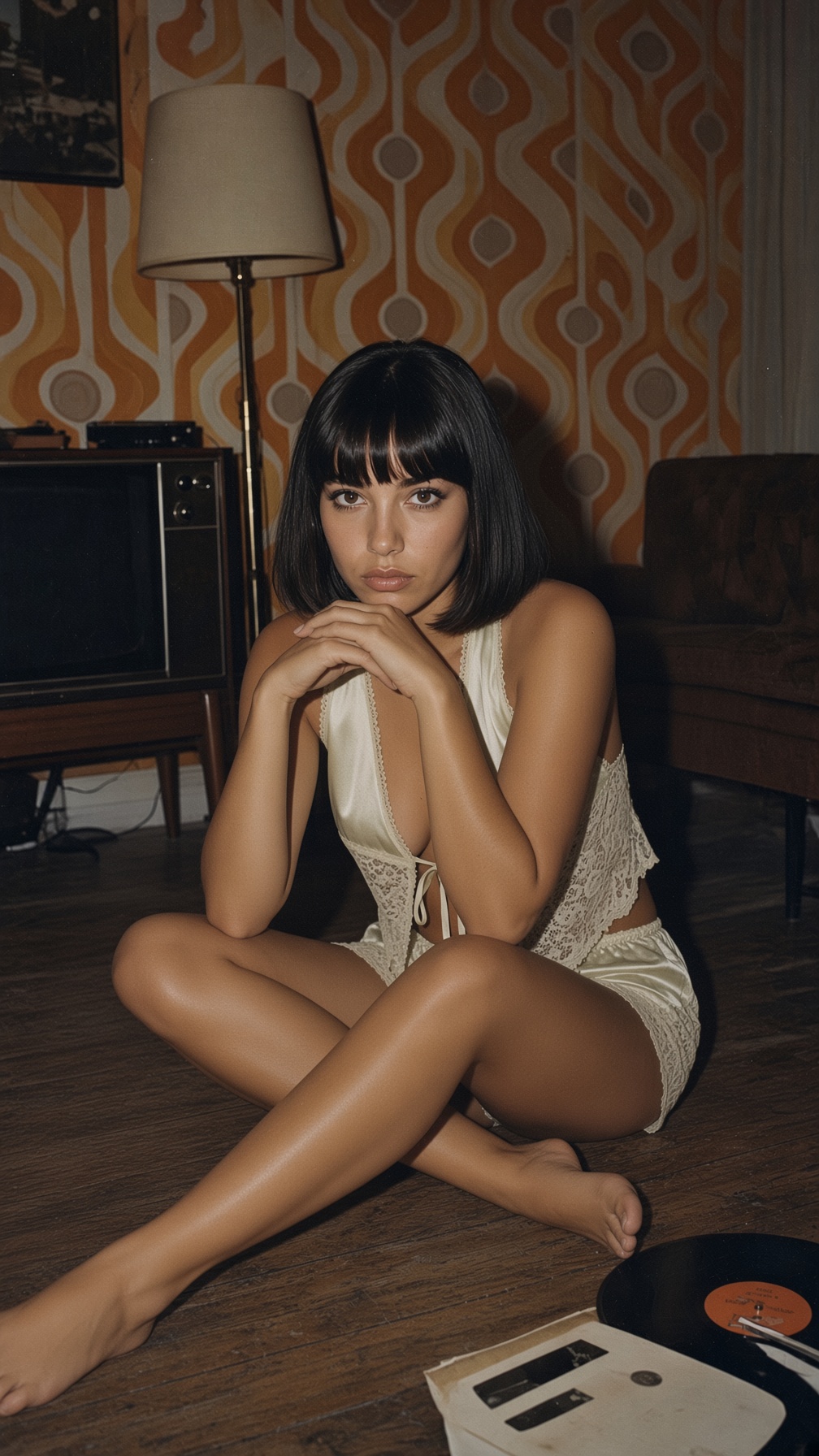
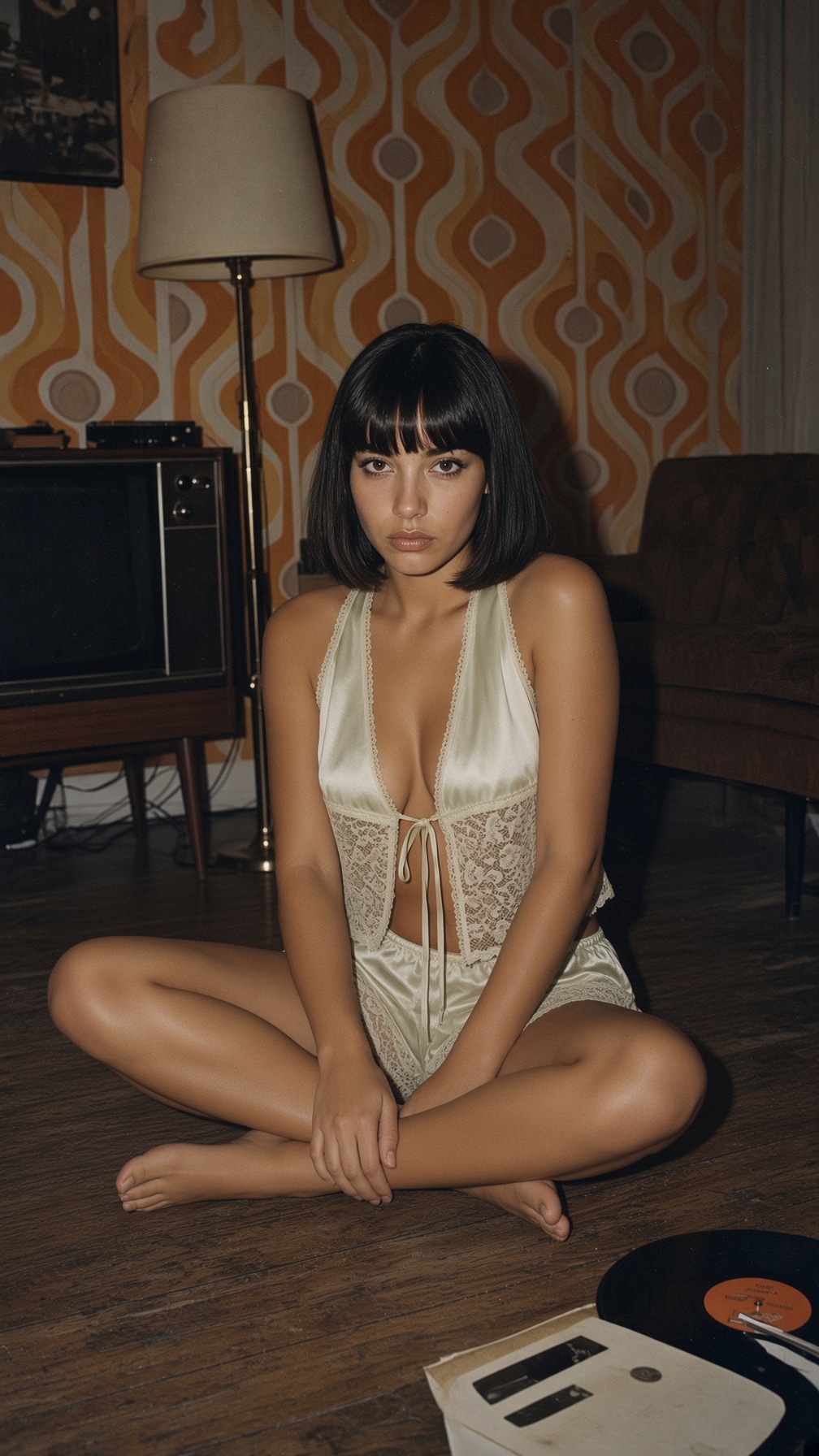
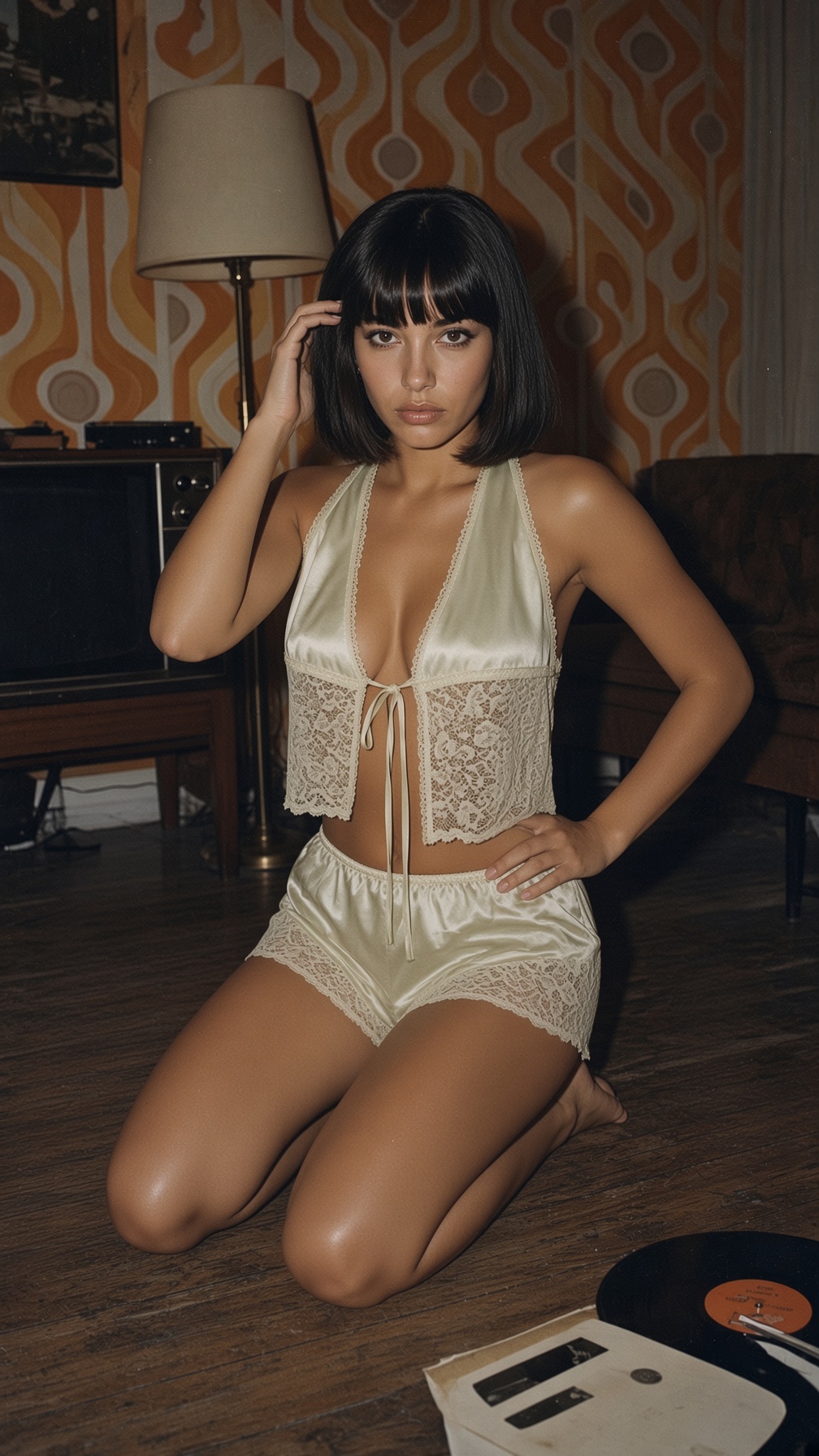
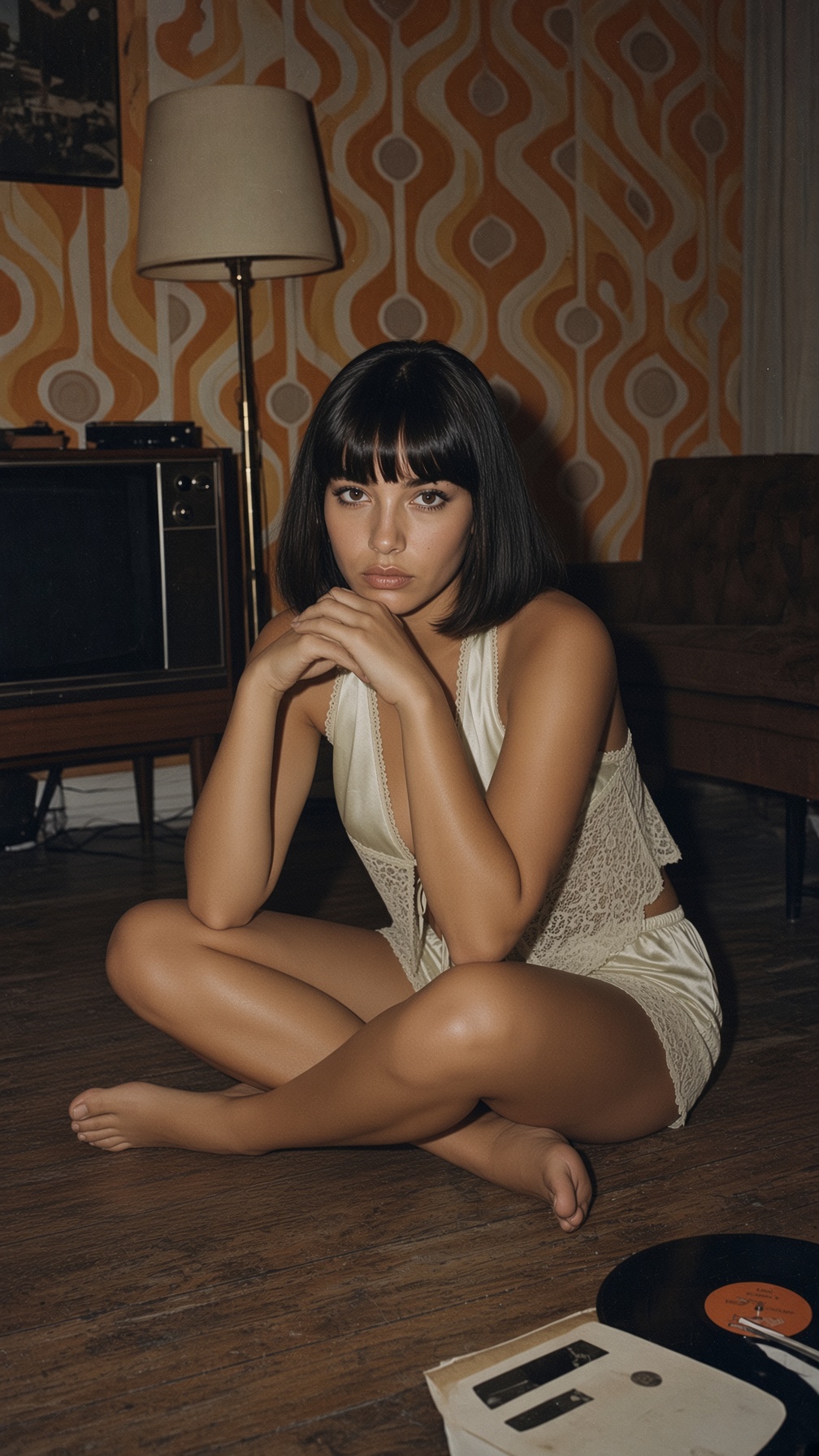
What’s in the sets
| Set | What it covers | Photos |
|---|---|---|
| 01 | Standing still, front to back | 5 |
| 02 | Weight on one leg | 5 |
| 03 | Walking | 5 |
| 04 | Sitting | 5 |
| 05 | Arms raised, stretching | 5 |
| 06 | Turning at the waist | 5 |
| 07 | Fabric in motion | 5 |
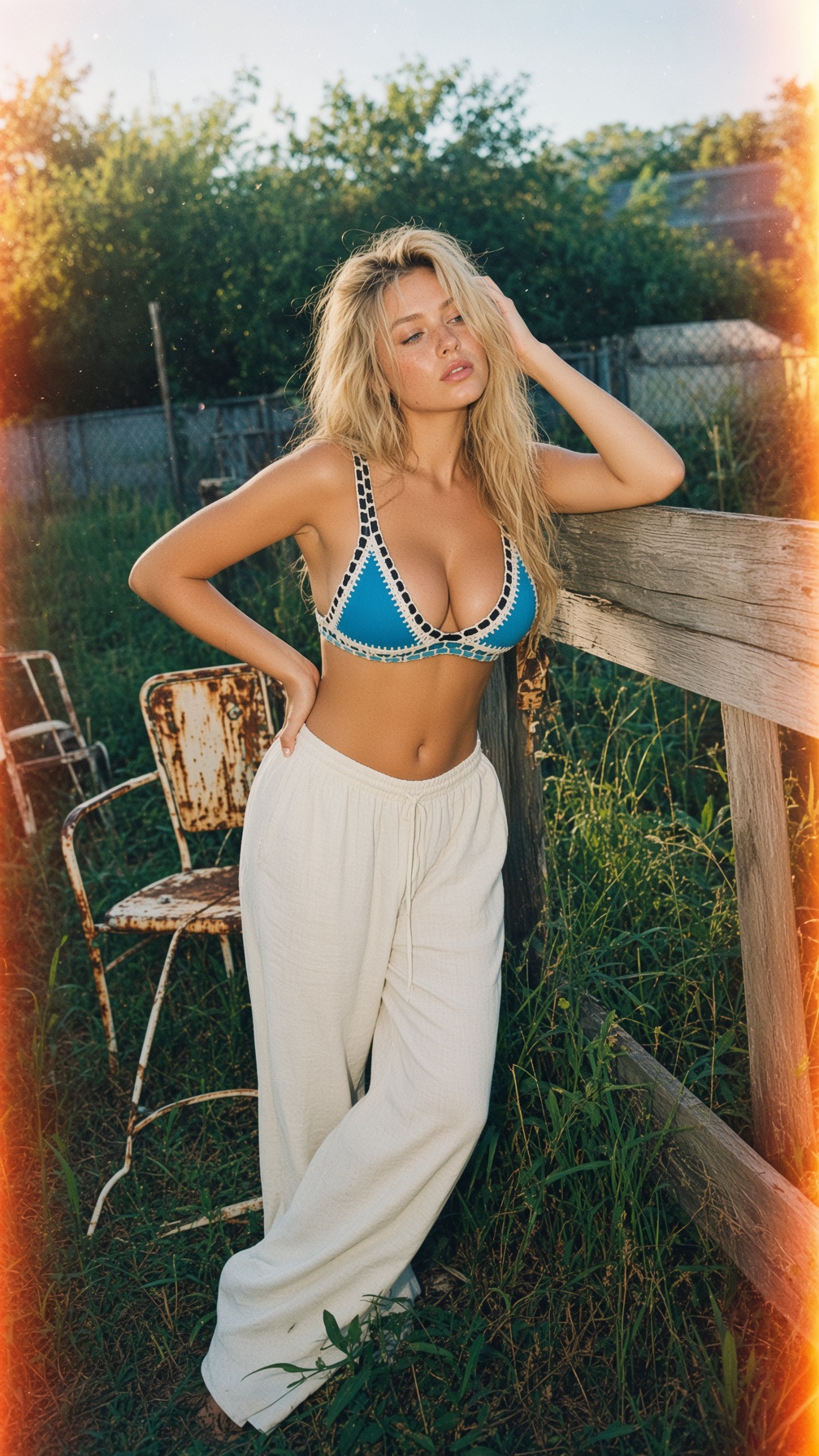
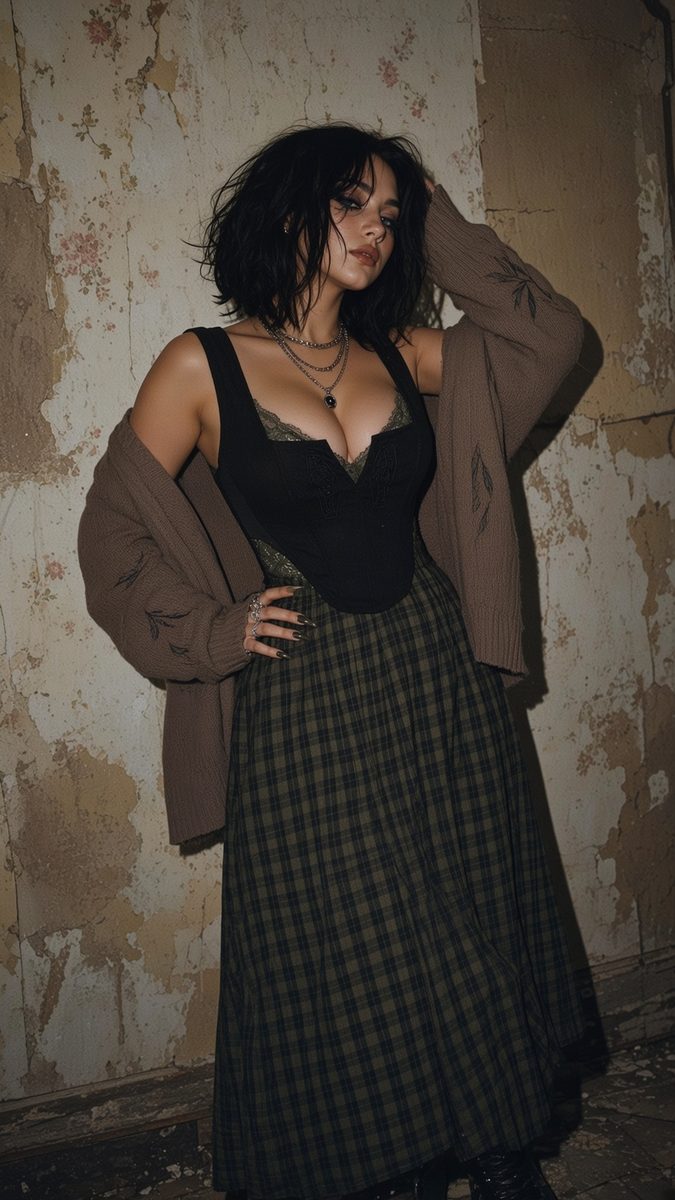
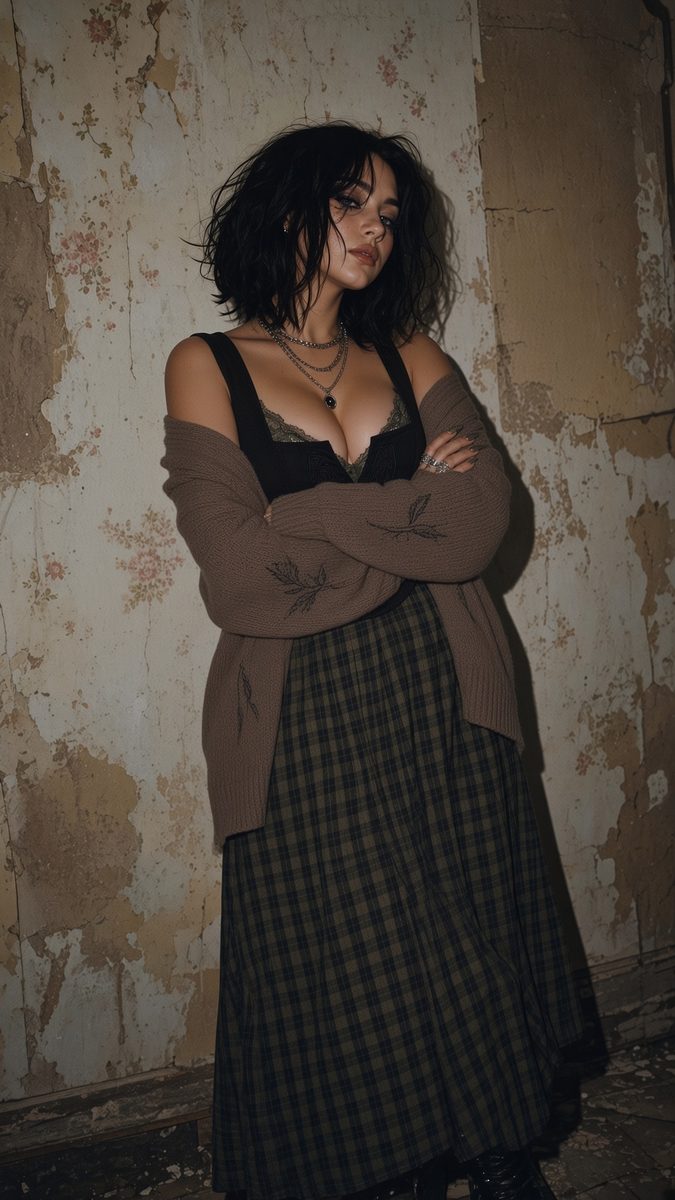
| 08 | Leaning against something | 5 |
| 09 | Close-ups: head, hands, collar | 5 |
| 10 | Quick movement | 5 |
They’re roughly ordered from easiest to hardest. Starting at Set 01 is a reasonable idea, but nobody’s checking.
Sets 01 and 02 are the calm ones. Take your time, get the proportions close, don’t worry about making it look good.
Sets 03, 07 and 10 are for fast, loose sketching. Give yourself a minute or less and just try to catch the direction of the movement.
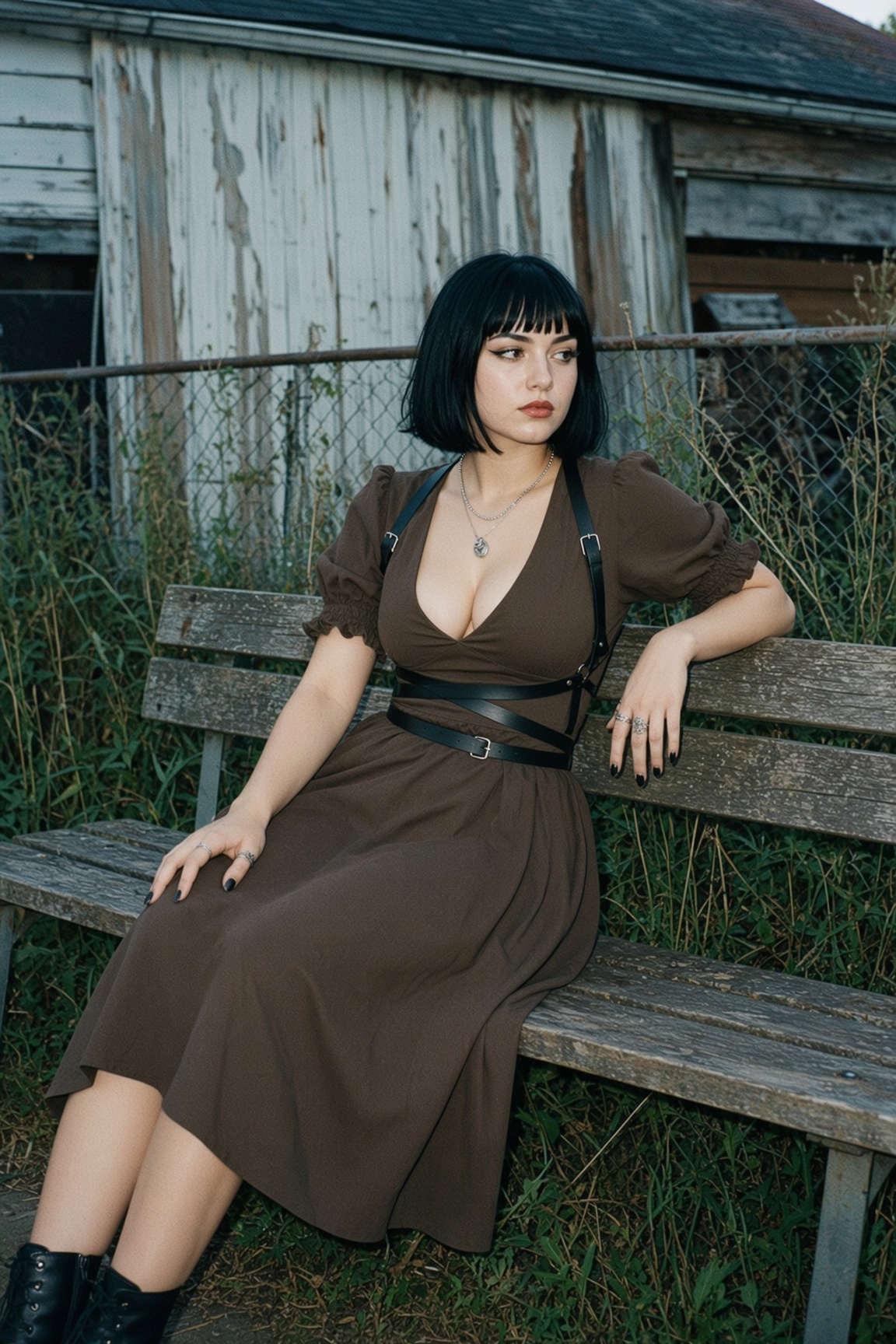
Sets 04, 07 and 09 are the ones to use if you care about clothes — how fabric folds when someone sits down, how it swings when they turn.
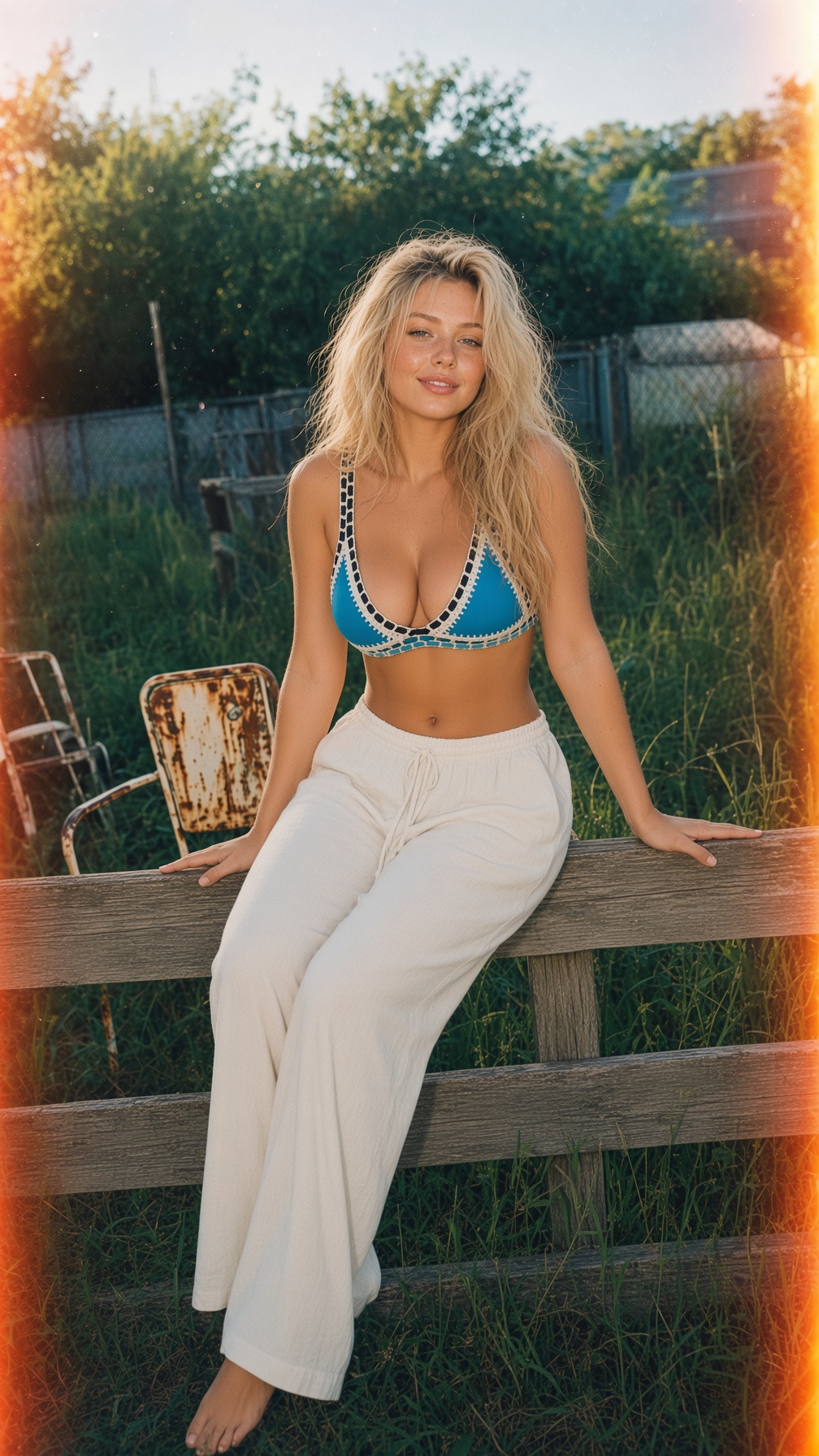
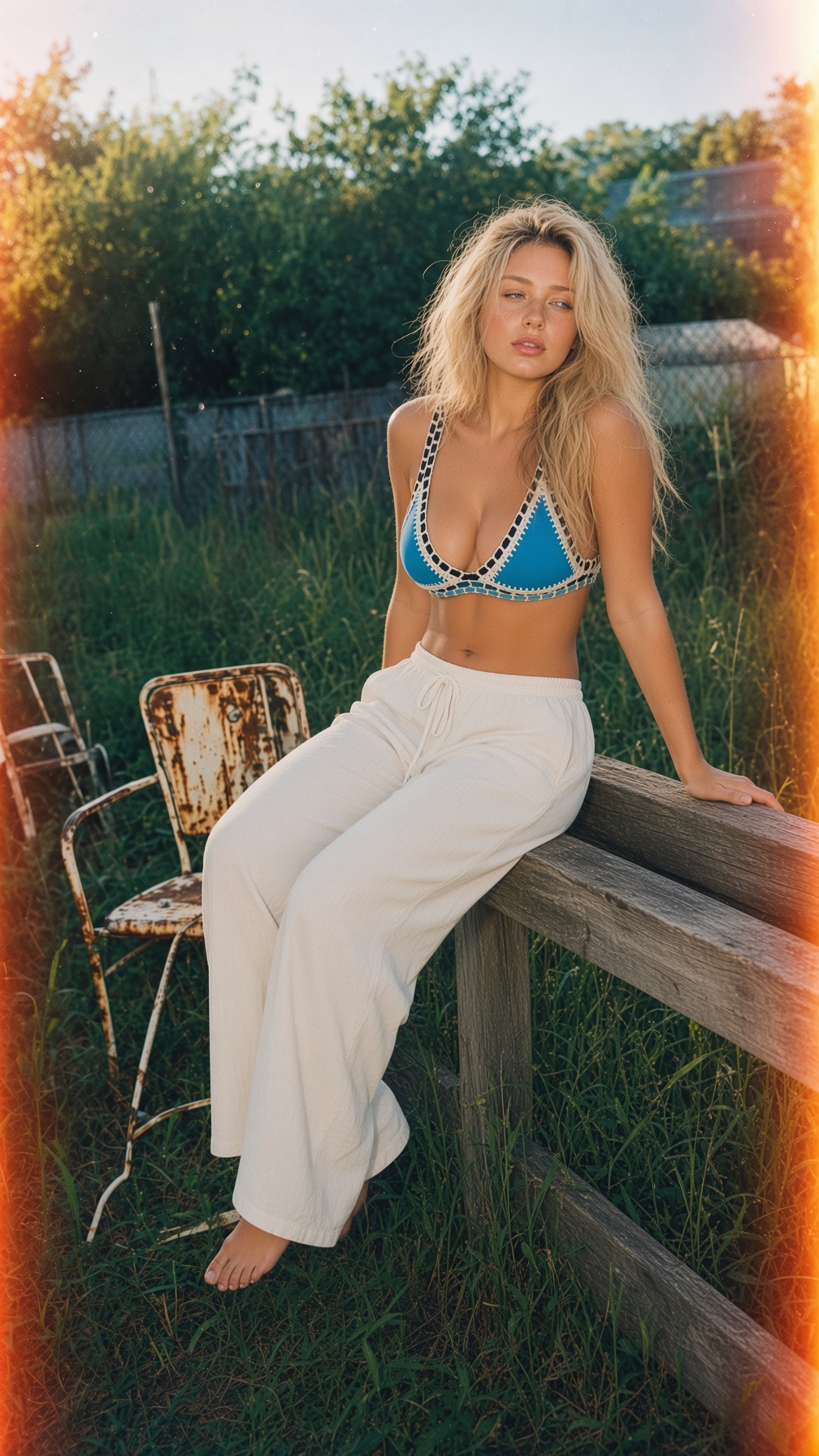
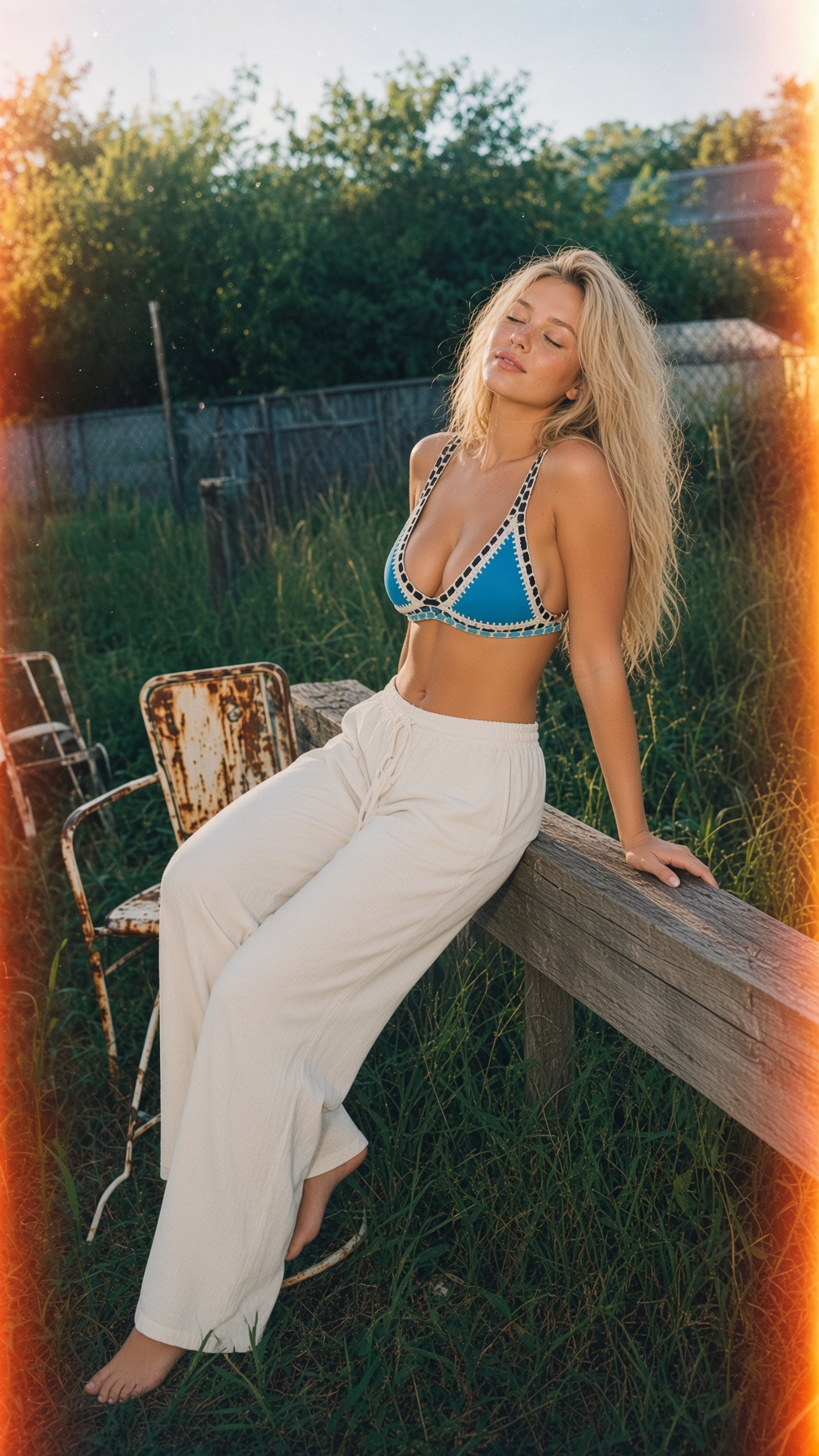
How to actually use them
There’s no correct method, but here’s one that works for most people:
As an Amazon Associate, we earn from qualifying purchases.
- Pick one set and open all its photos side by side.
- Do a quick, messy sketch of each pose — two minutes each, no erasing.
- Then go back and pick the one pose you liked most and spend twenty minutes on it.
- The next day, do the same set again. It will go noticeably better.
Repeating a set is more useful than rushing through all ten. Three sets done properly beat fifty photos skimmed.
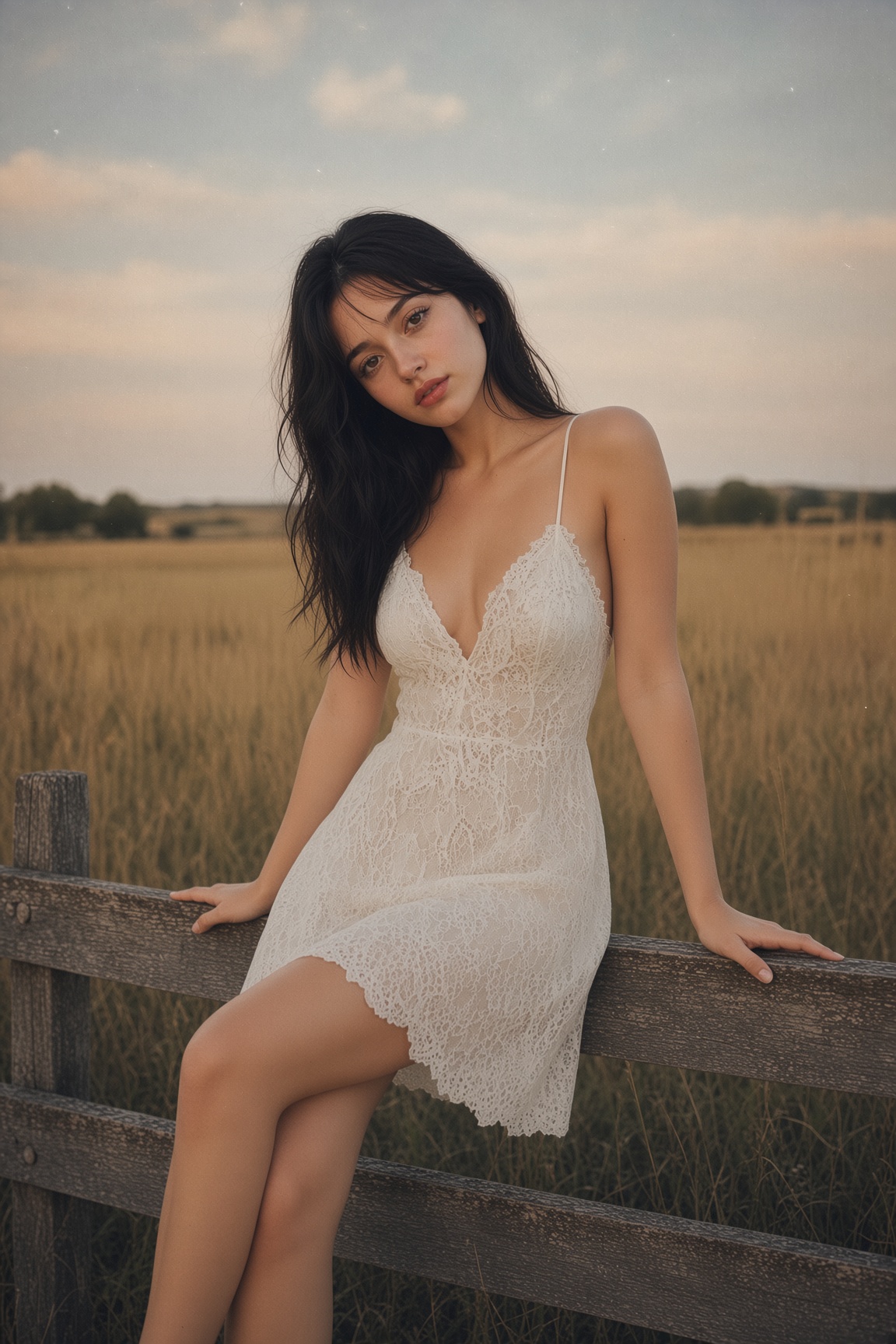
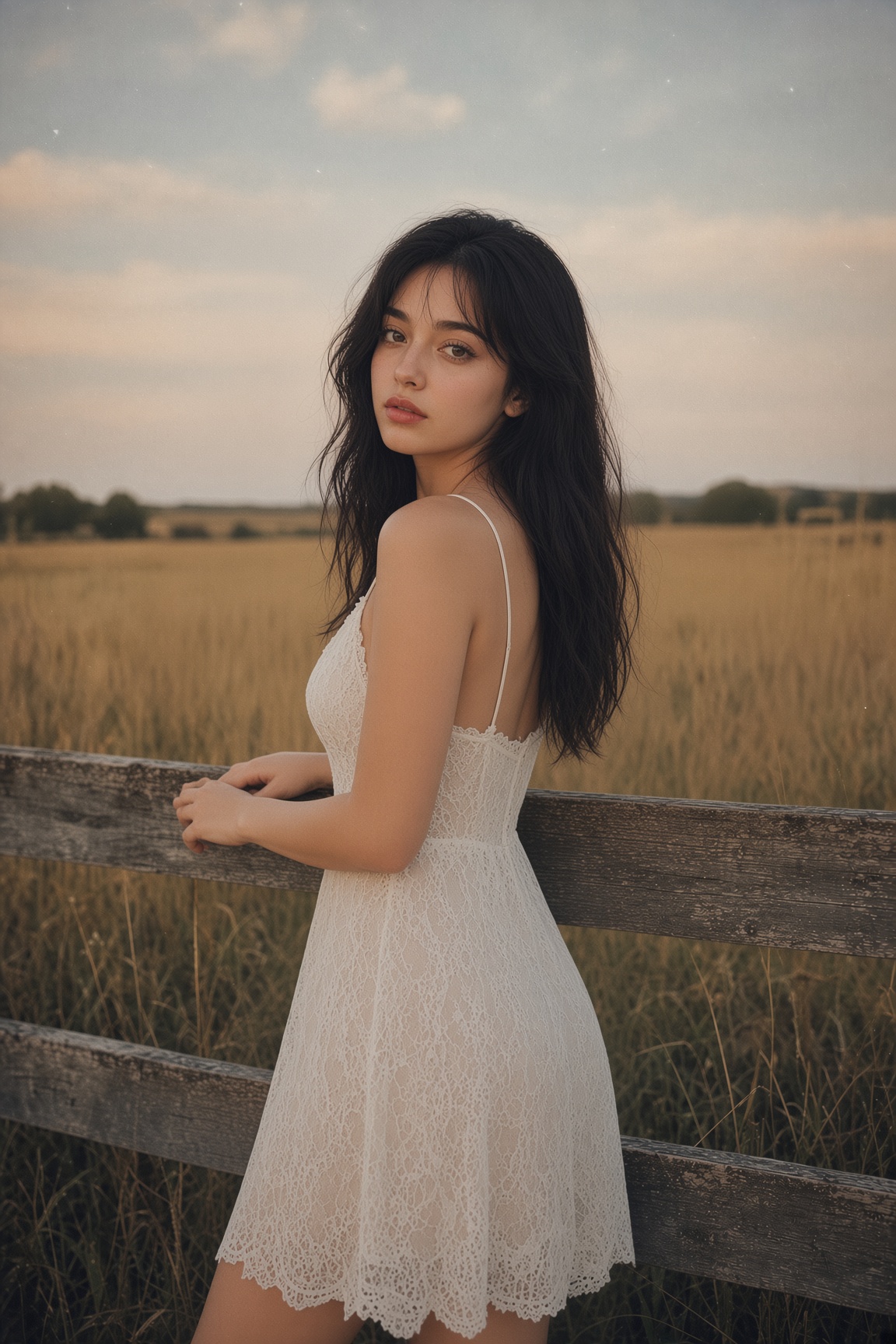
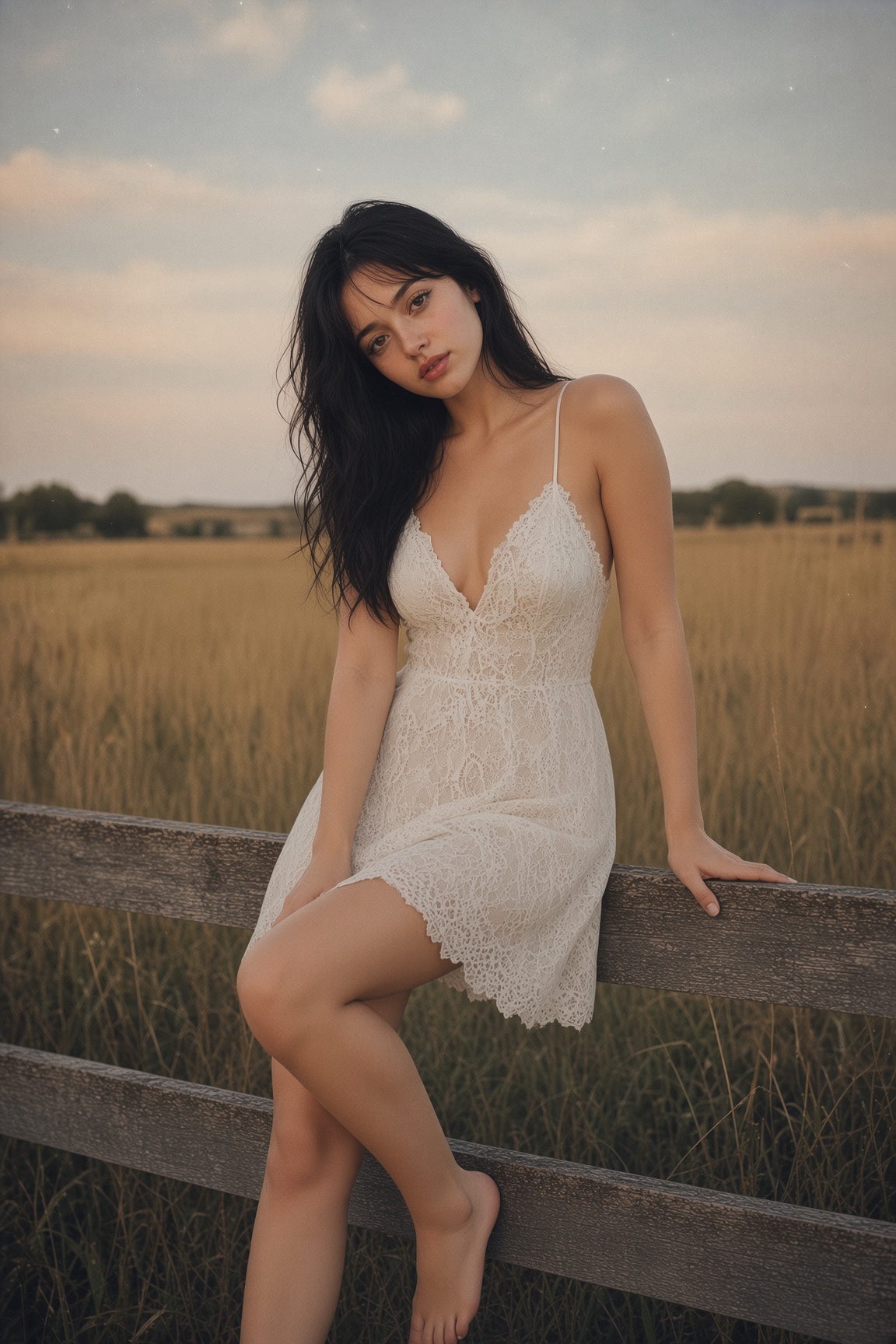
If you’re into fashion and clothing design
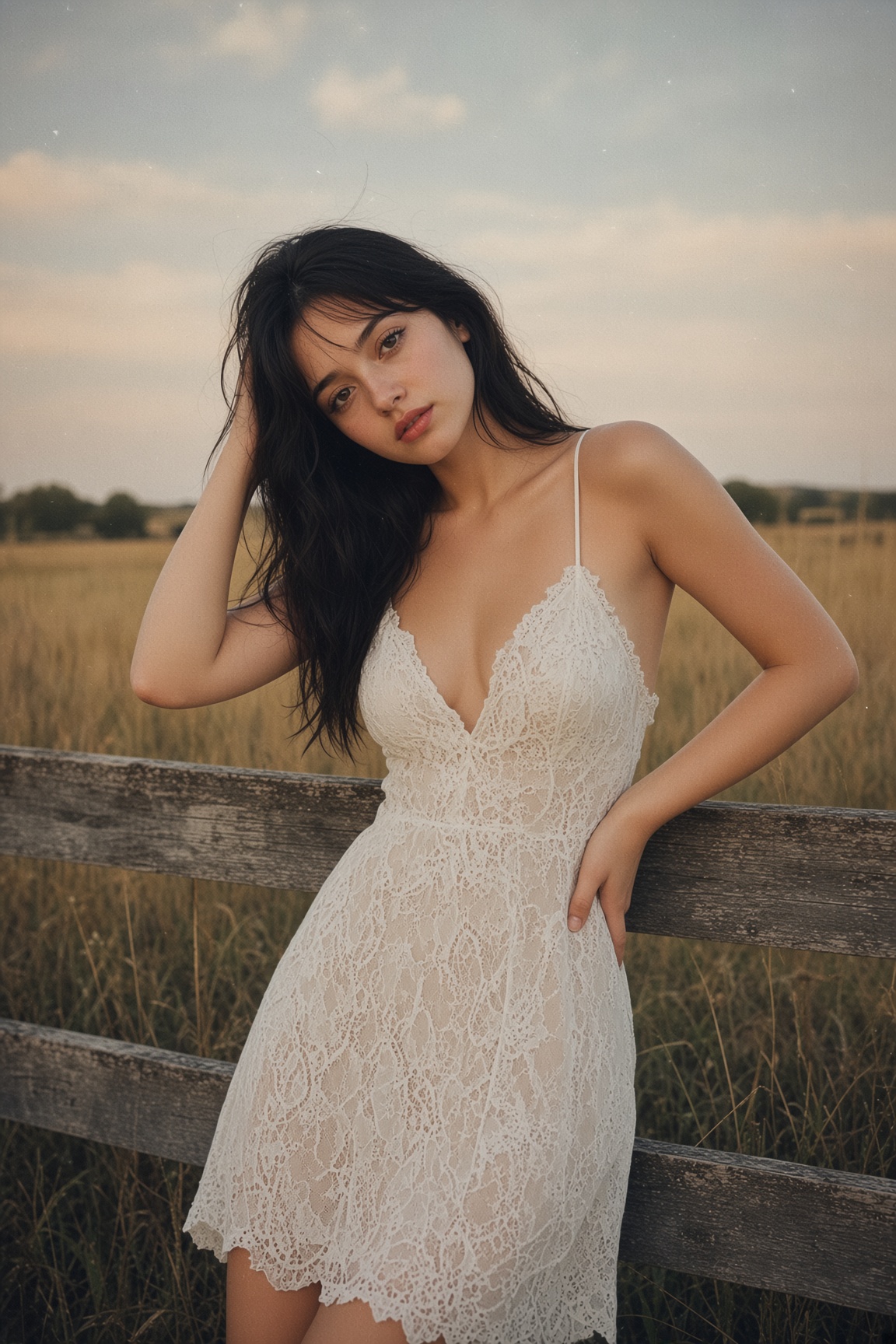
The simplest approach: sketch a light version of the figure, then draw your outfit on top of it. Do it once on a standing pose from Set 01, then again on a walking pose from Set 03. Anything that looks fine standing but falls apart when the figure moves is worth rethinking — that’s the whole point of having both.
Set 04 is a good final test. Clothes that only work upright aren’t finished yet.
Drawing digitally
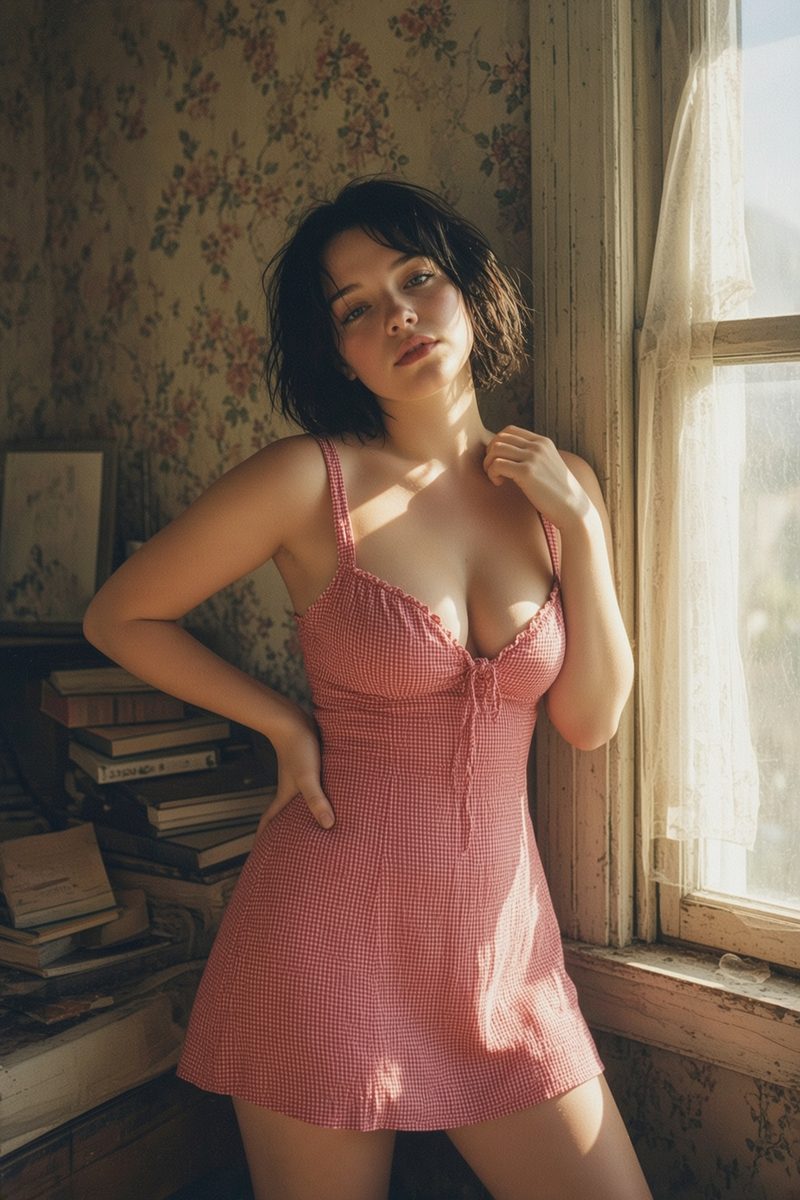
If you’re working in Procreate, Photoshop or anything similar, you can drop the photo on its own layer and trace over it while you’re getting started. It’s fine, but it doesn’t teach much past the first week. Keeping the photo open next to your canvas and drawing by eye is slower and works better.
Common questions
Are these free to use? Yes, for your own practice and portfolio. Reposting or repackaging the photos themselves is a different matter — see the note at the bottom.
I’m a complete beginner. Is this too advanced? No. Sets 01 and 02 are made for exactly that. Skip the fast ones until you feel like trying them.
Do I need to know anatomy? Not to start. Quick sketching comes before anatomy, not after it.
Can I use these for character design? Yes — Set 01 is arranged so you can build a simple character turnaround from it.
How long should I spend on each photo? Anywhere from thirty seconds to half an hour. Both are useful for different reasons, so try mixing them.
A note on usage
Pick a set, draw it badly, draw it again tomorrow. That’s most of it.
0 Comments