
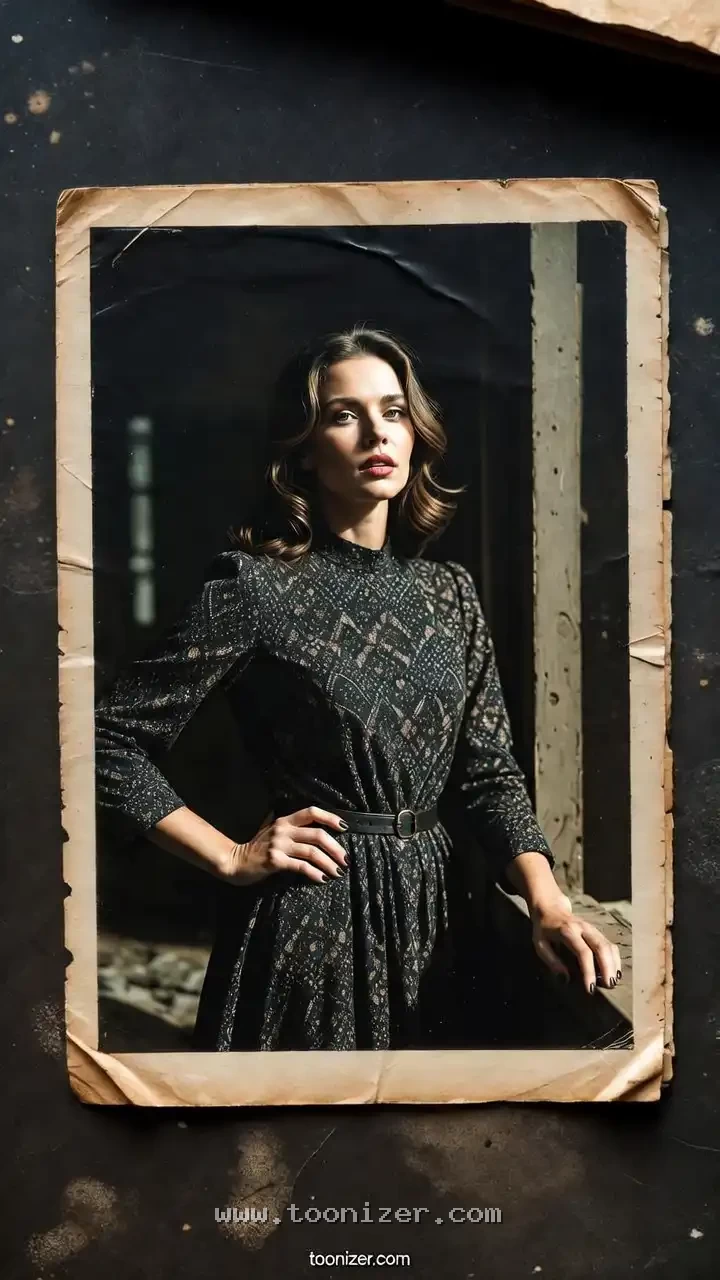
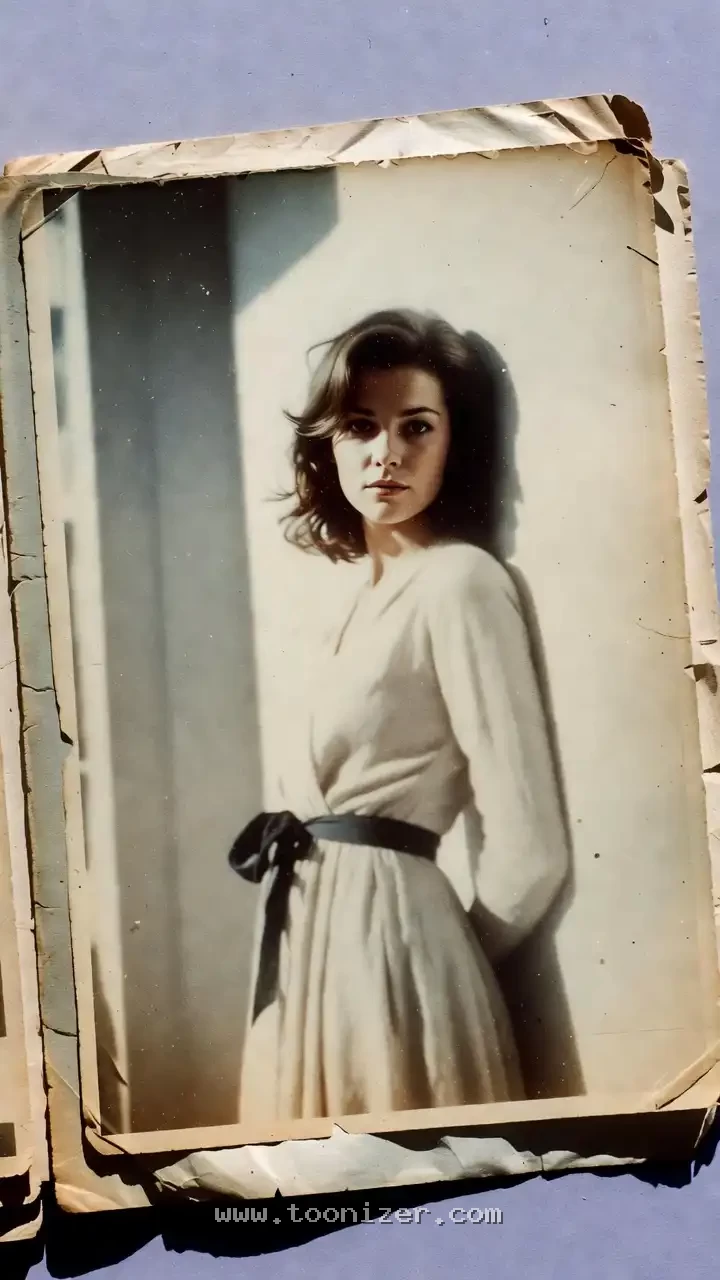
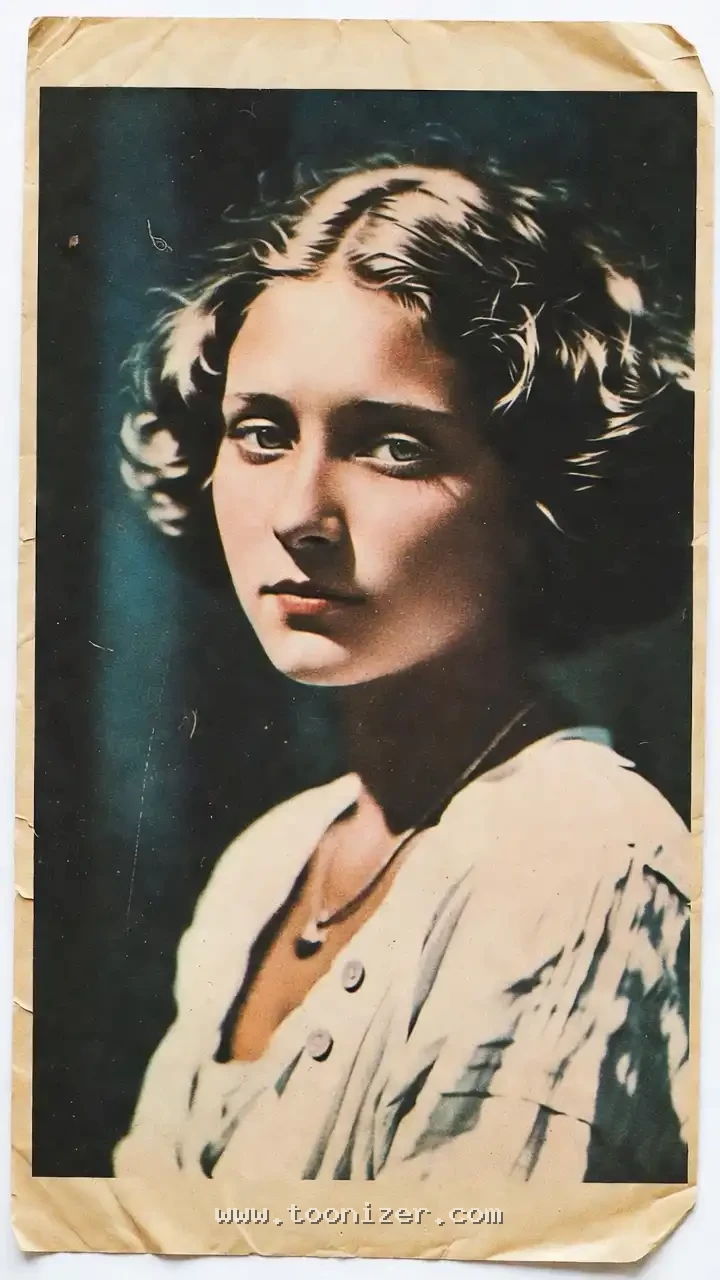
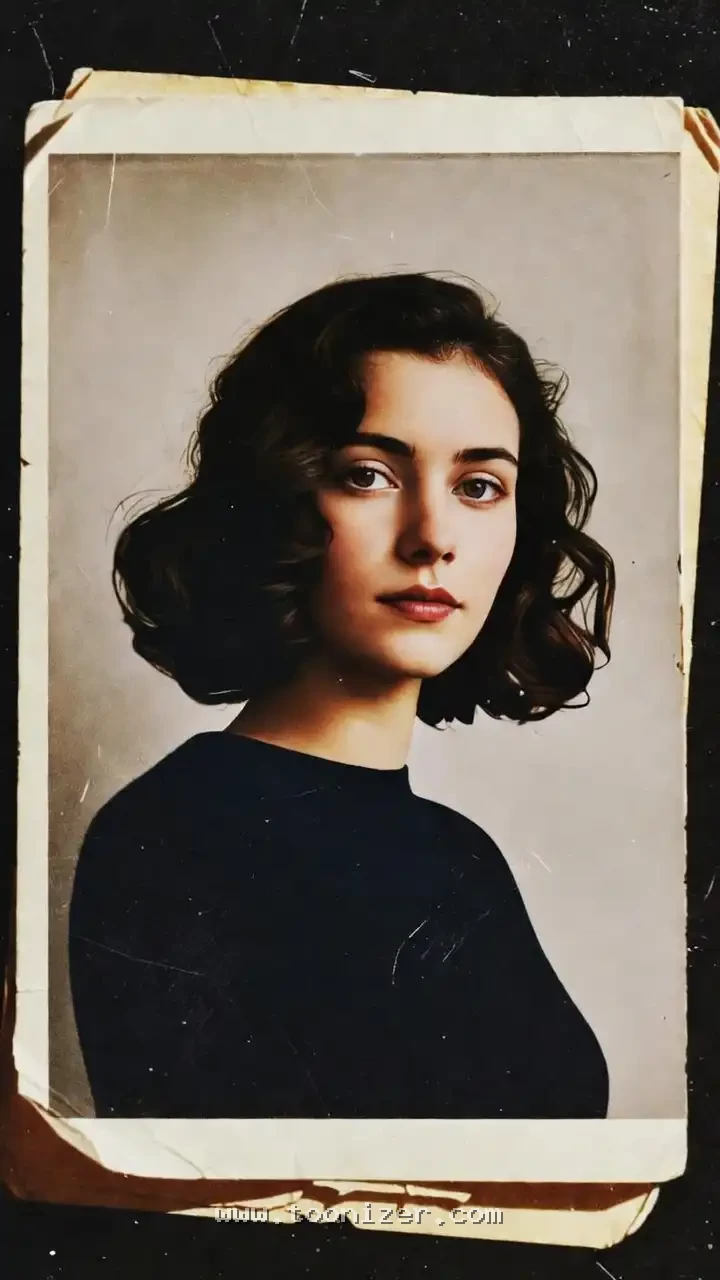
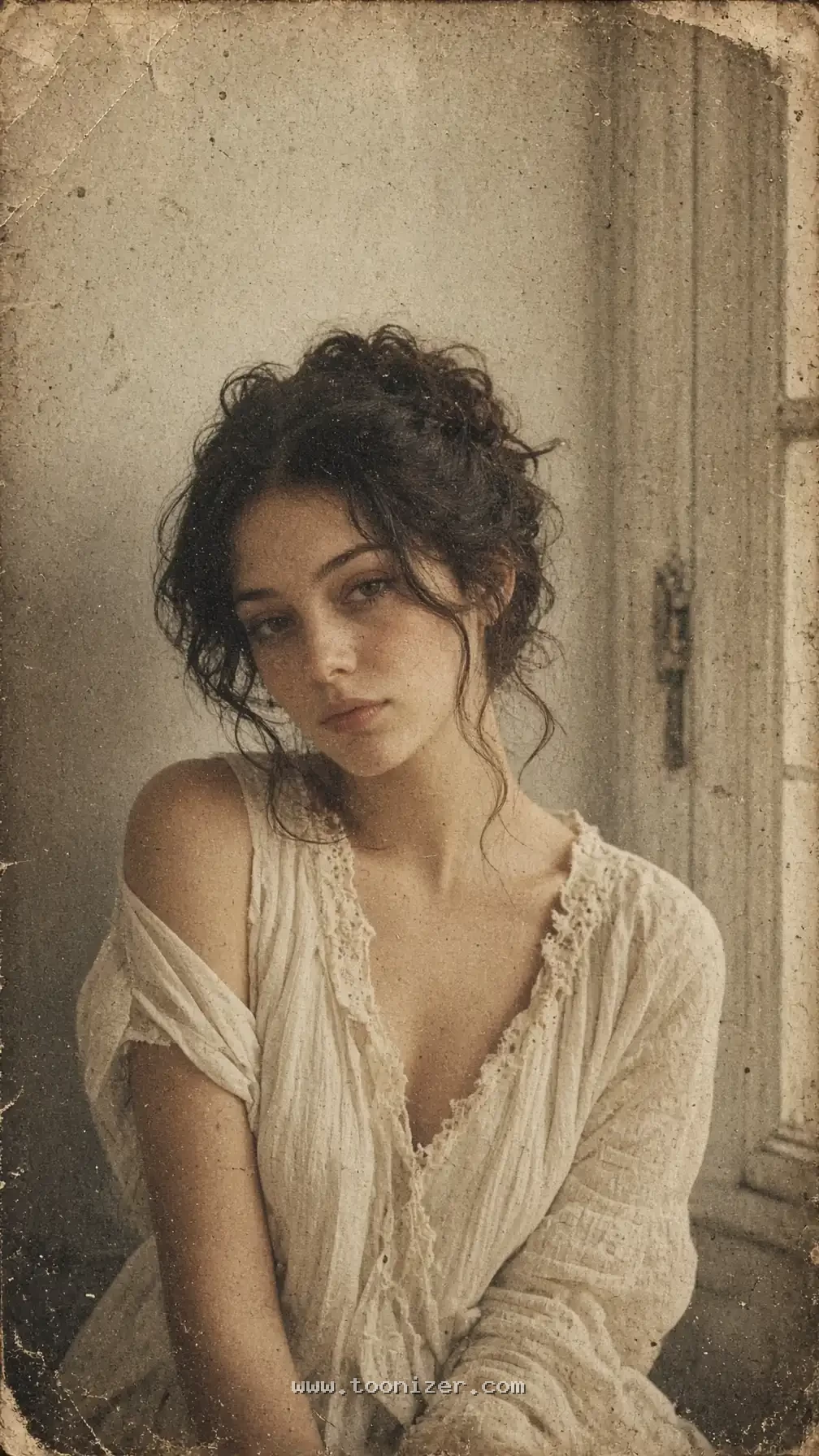
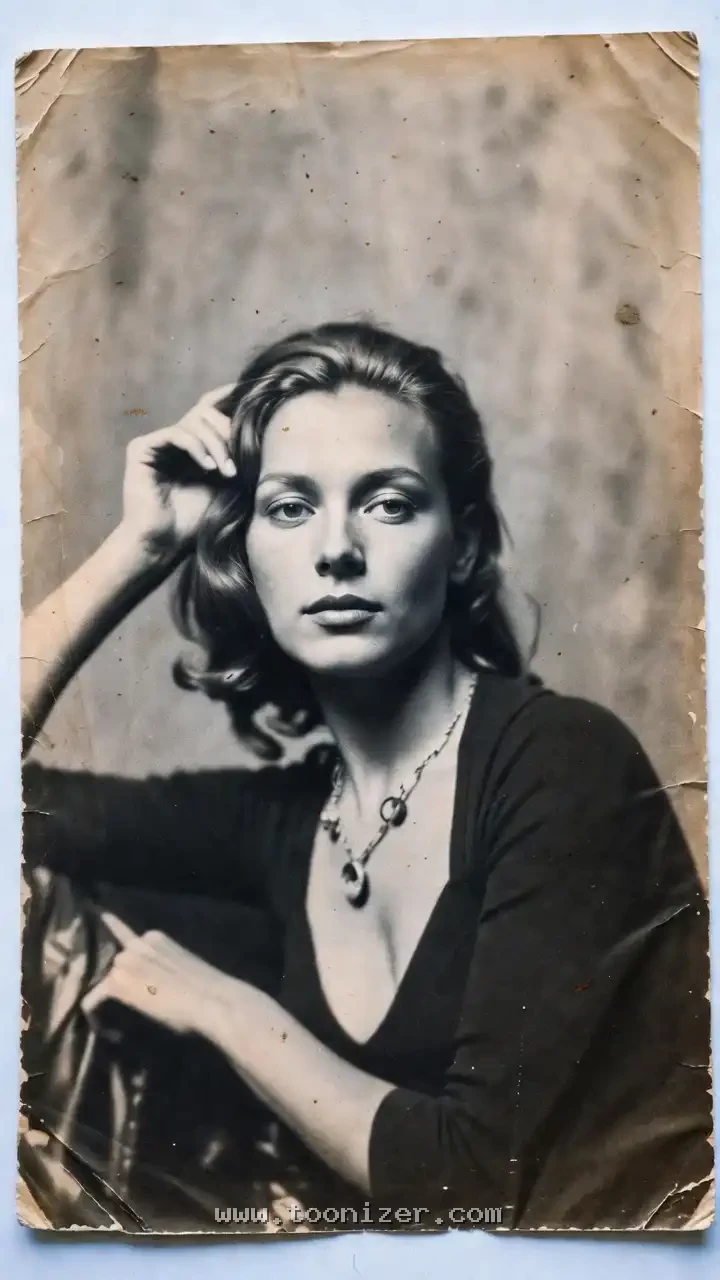
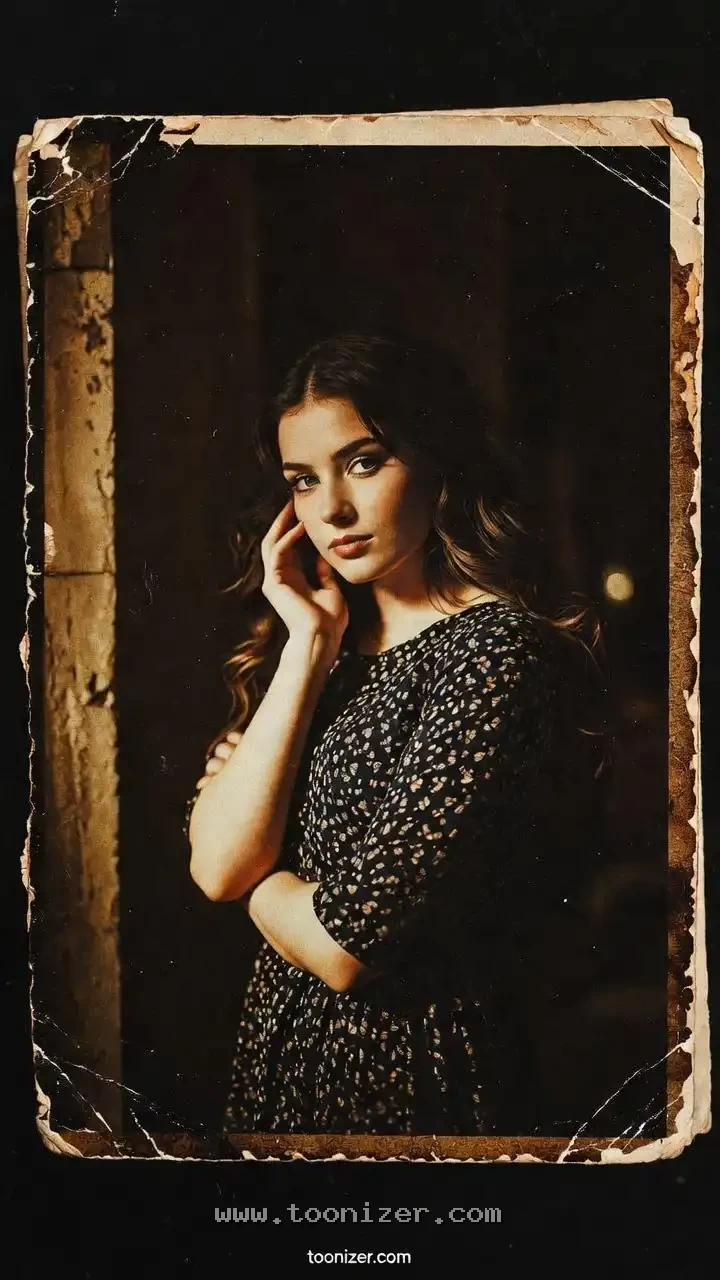
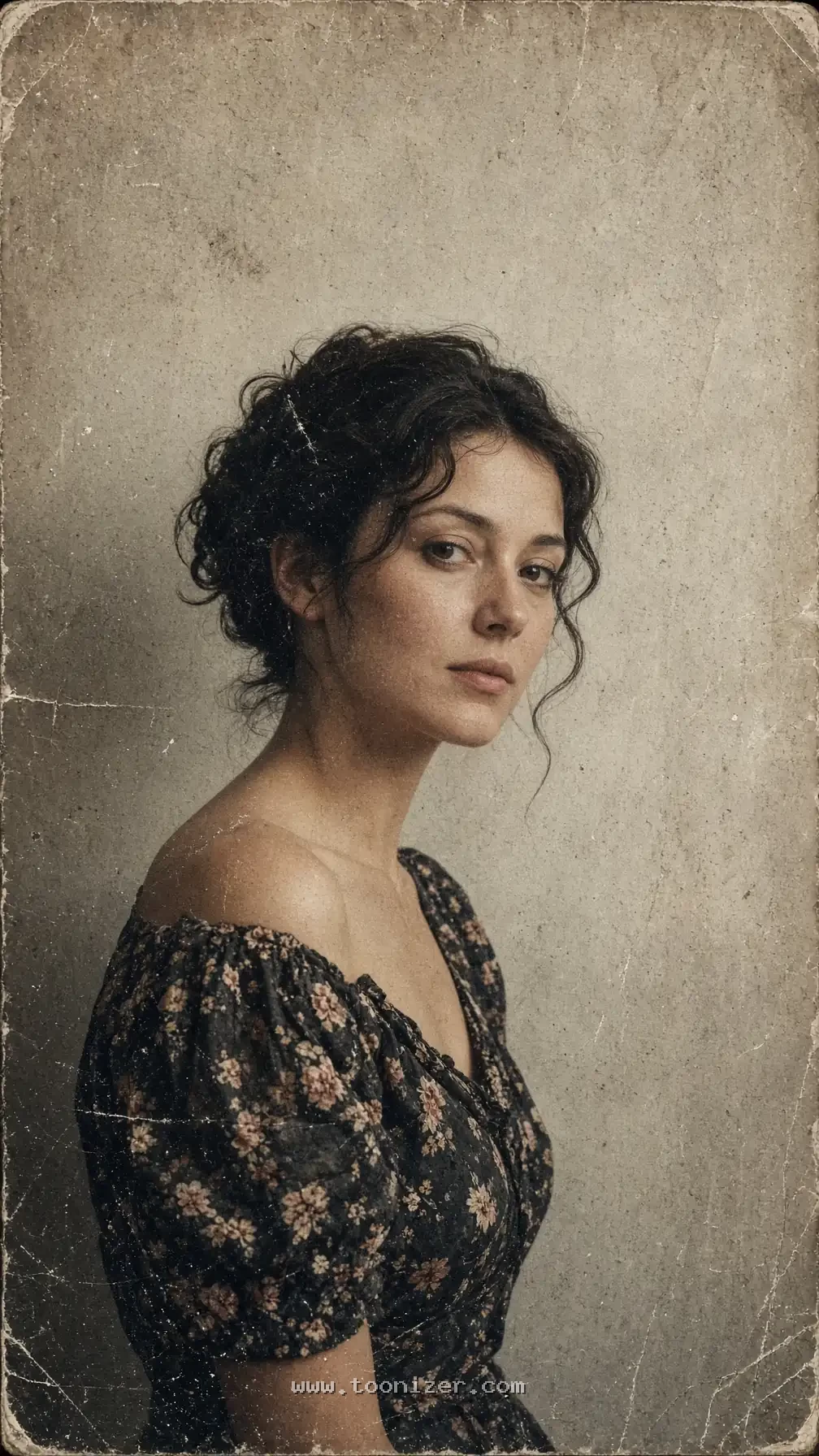
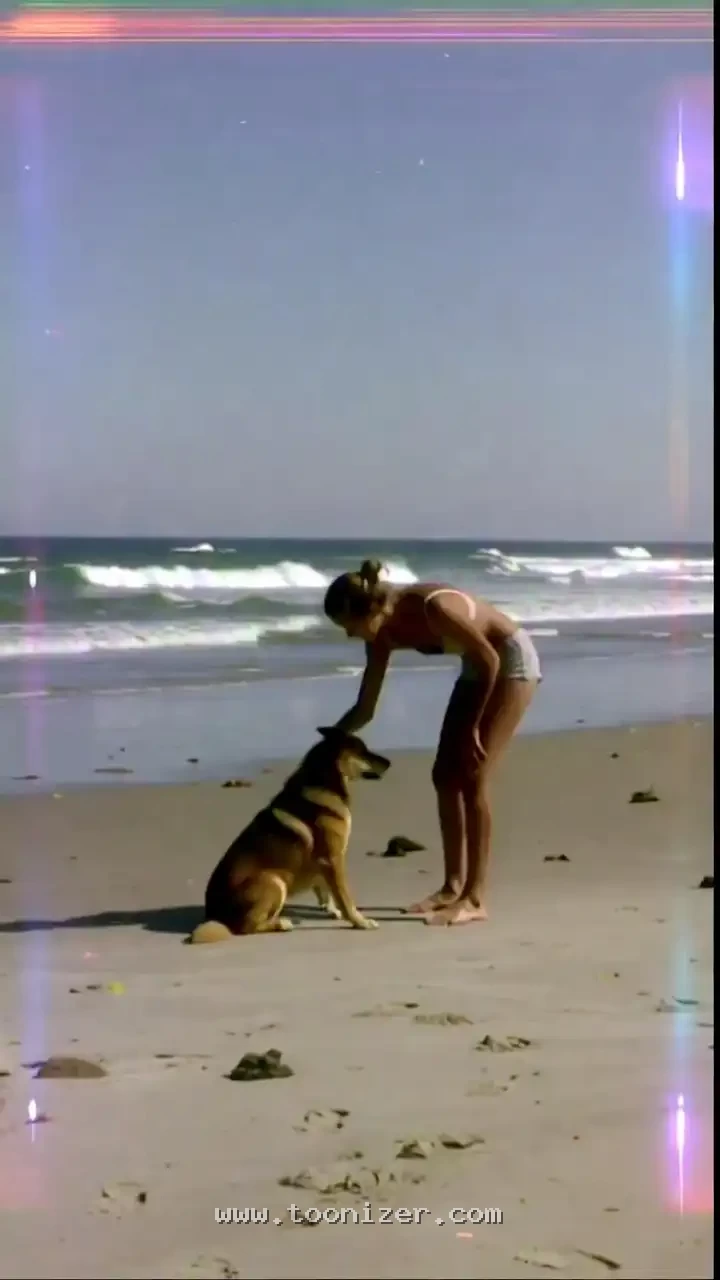
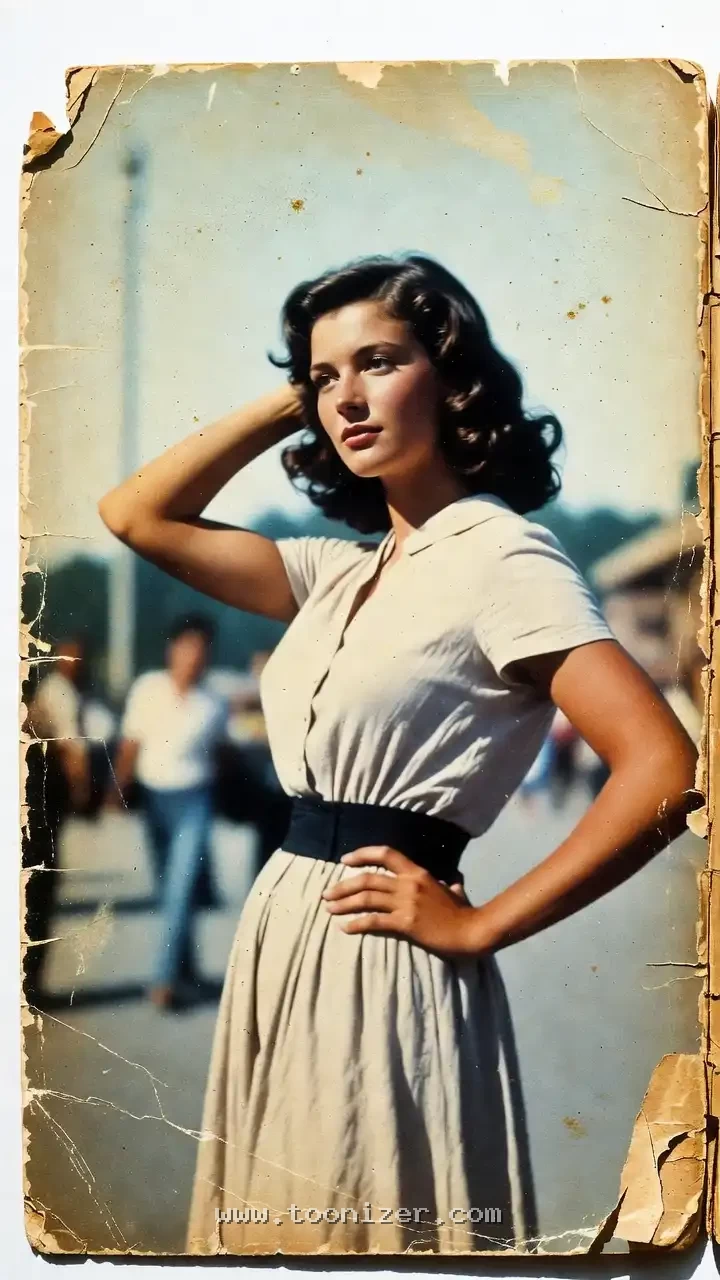
Most 1960s photos were not taken by photographers. They were taken by parents, aunts and neighbours with simple cameras, printed at the chemist and kept in shoeboxes and albums for sixty years. Those prints are now faded, cracked and stained, and that wear has become part of how we picture the decade. This gallery collects 19 damaged 1960s snapshot prints of ordinary people, with notes on how the photos were made, why they look the way they do and what to look for when you find your own.

A note on the images: like the other “analog” photos on Toonizer, the pictures in this post were made with AI to show the look of damaged prints. If you want to learn to tell them apart from real film, see how to spot AI vintage photos.
How ordinary people took photos in the 1960s
The 1960s were the first decade when almost every family could afford a camera. Cheap, simple cameras with fixed focus and drop-in film cartridges meant there was nothing to set: you pointed, pressed and sent the film off to be developed. Colour film was taking over from black and white, and prints came back a week later in a paper wallet, often with a white border and sometimes a date stamped on the edge.
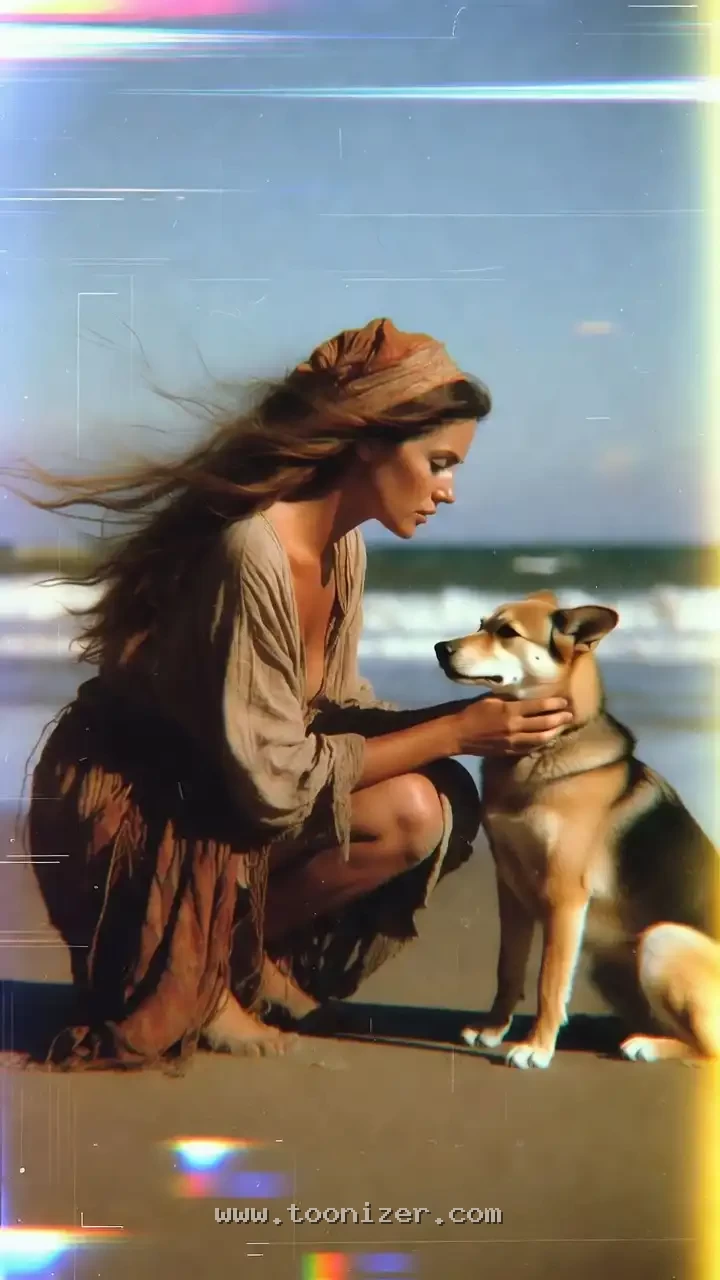
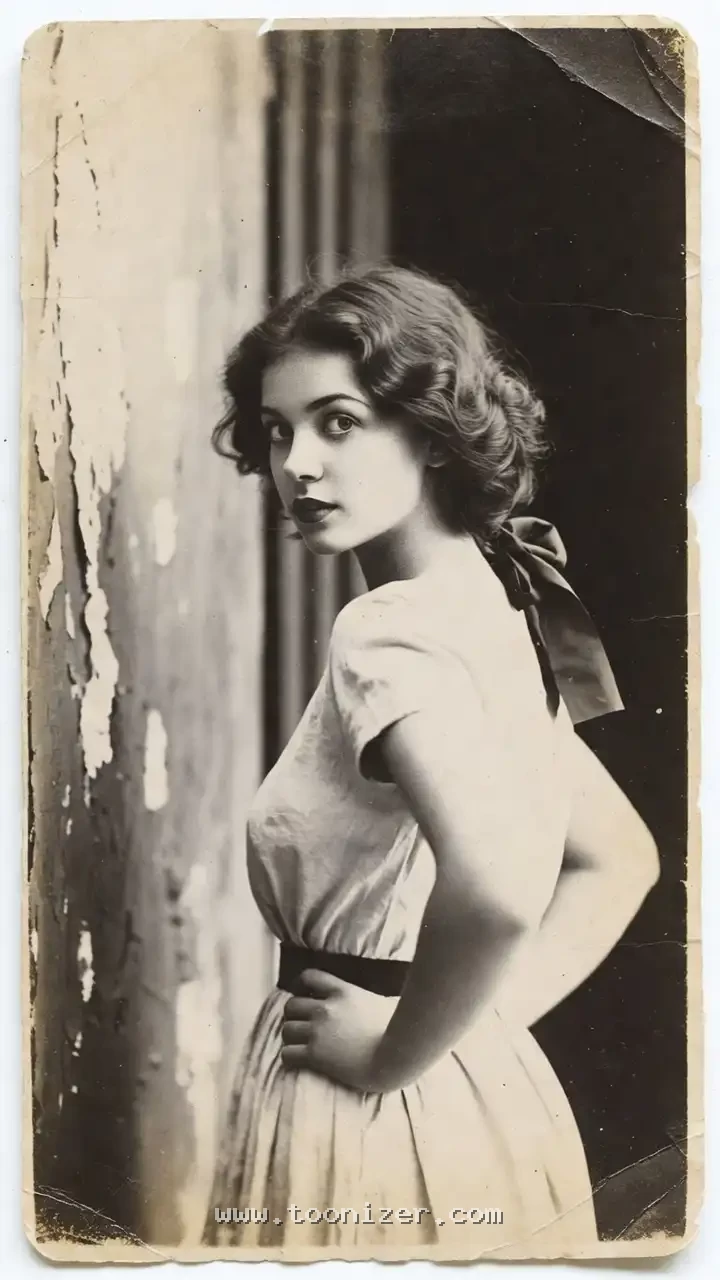
Why 1960s prints look the way they do
Much of what we now call the "60s look" is not how the photos looked when they were new. It is what six decades did to them.
- Colour shift. The dyes in colour prints fade at different speeds. Cyan usually goes first, so many 1960s prints have drifted towards red, orange or magenta.
- Soft focus. Simple fixed-focus lenses were only sharp in the middle distance. Faces close to the camera are often slightly soft.
- Square and small formats. Many cameras of the time made square or small prints, often with a white border.
- Flash and harsh light. Indoor photos used flashcubes and bulbs, which gave bright faces and dark backgrounds.
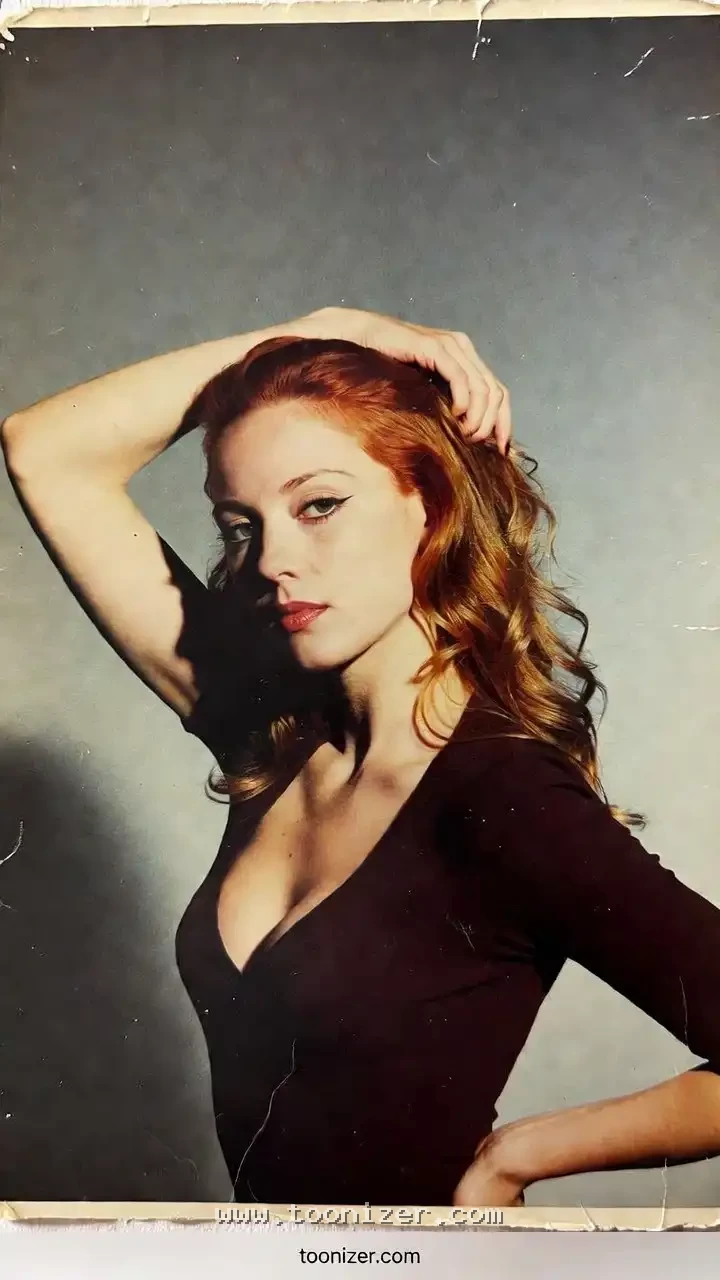
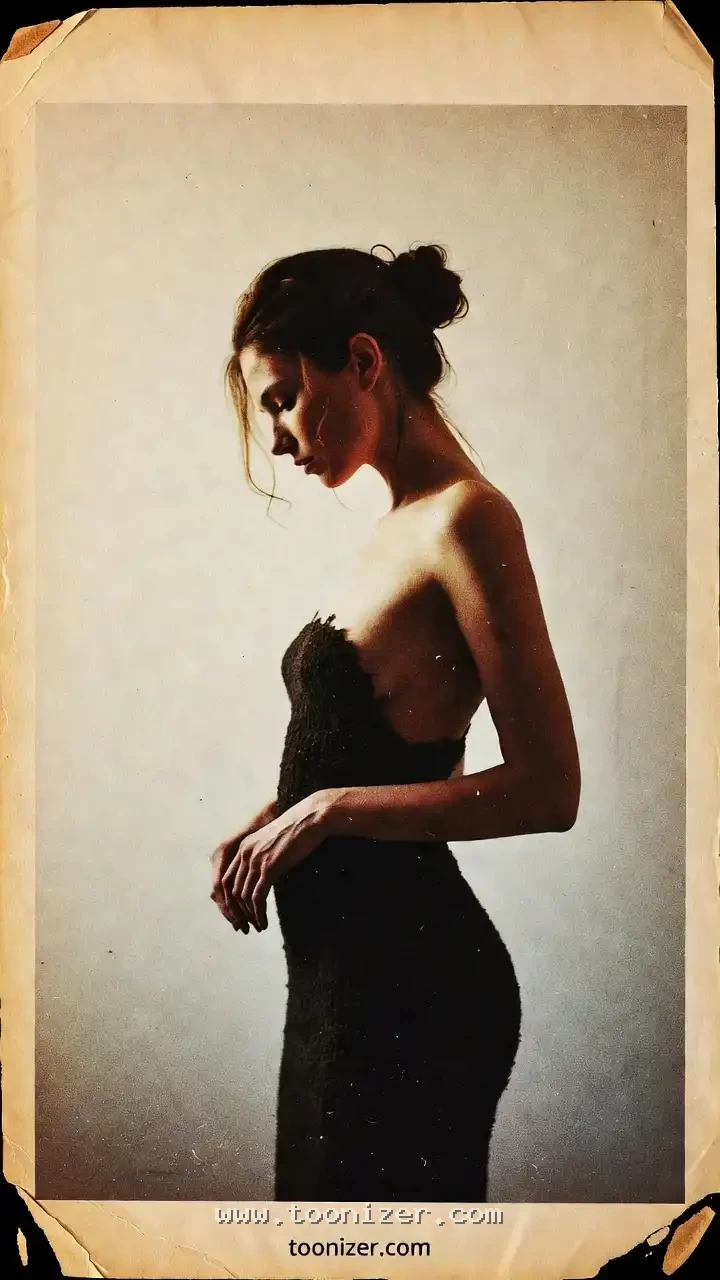
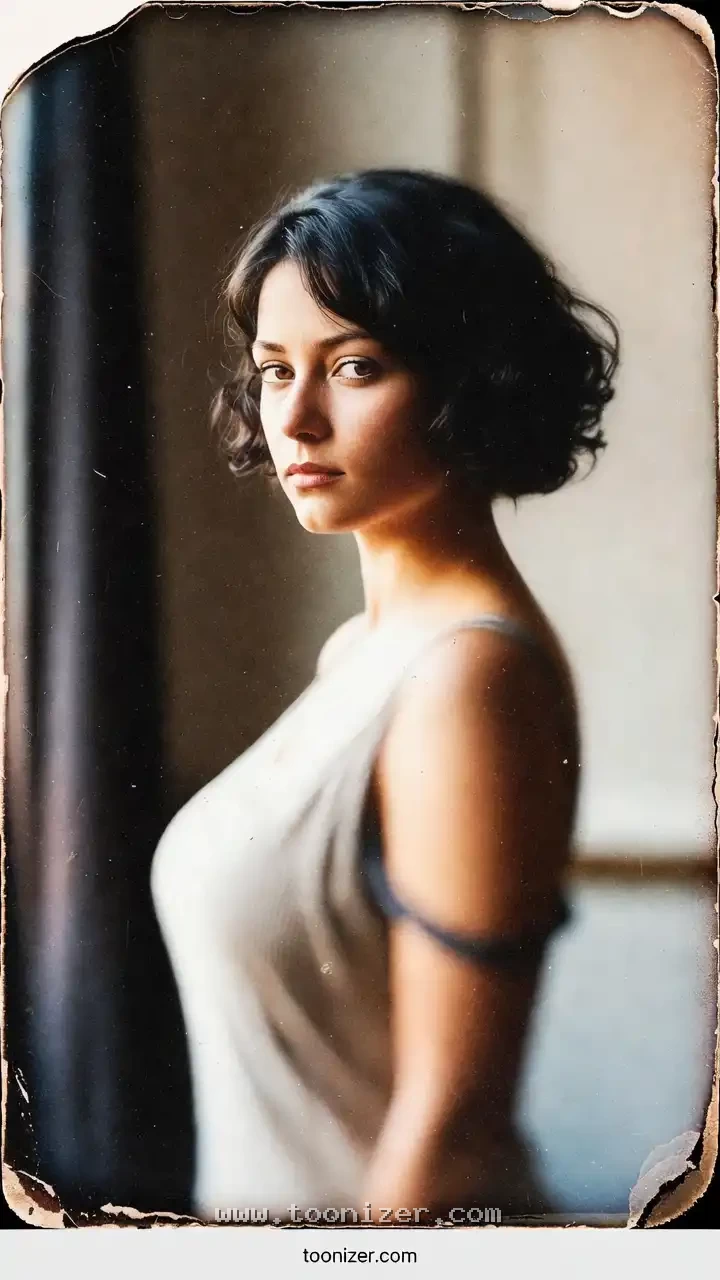
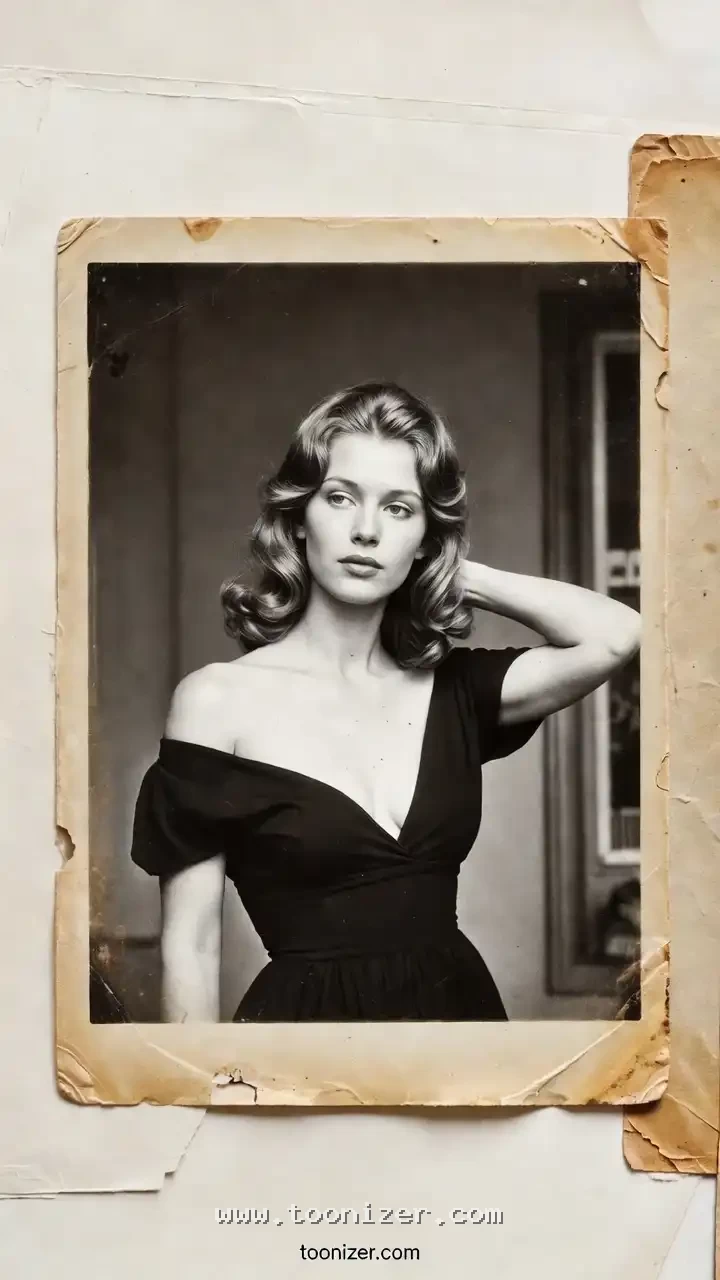
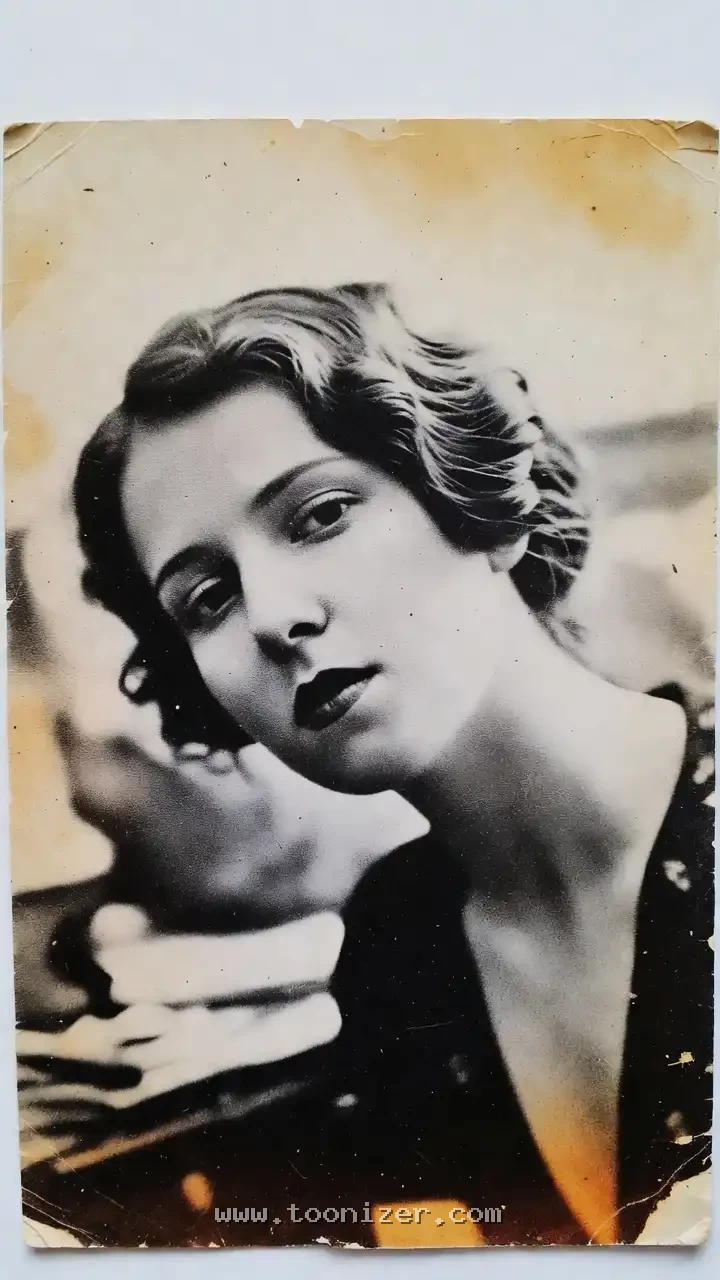
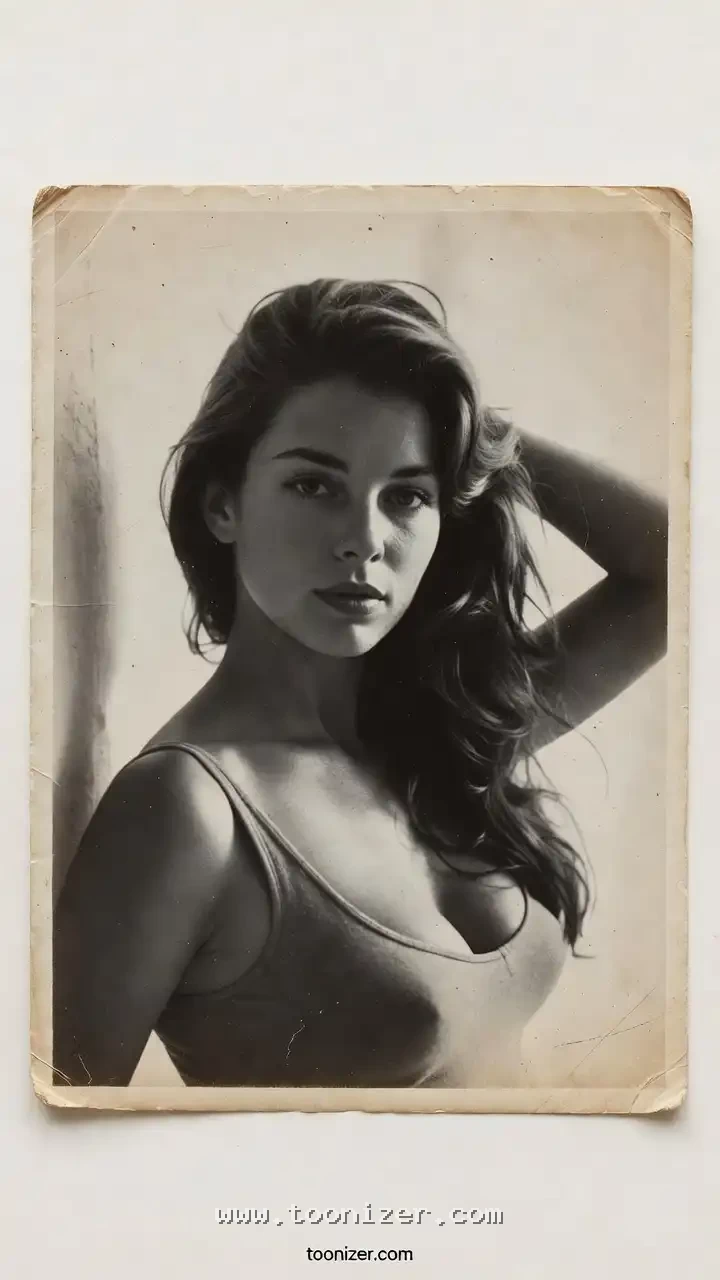
Common damage on old family photos
The damage on these prints is the same kind you will find in most family albums. Knowing the type helps when you decide whether to scan, restore or simply keep a print as it is.
- Fading and yellowing from light, heat and the acids in cheap album pages.
- Silvering and cracks in the surface of glossy prints that were bent or stored in dry air.
- Water stains and tide marks from damp basements and leaking roofs.
- Sticky residue and torn corners from “magnetic” self-adhesive albums and sticky tape.
- Creases and scuffs from prints carried in wallets or stacked loose in boxes.
For a closer look at what each type of damage looks like, see our guide to film damage, light leaks and scratches.

How to date an old family photo
If a print has no date written on the back, a few clues can narrow it down:
- Look at the back of the print: paper makers printed their names and patterns, which changed over the years.
- Check the border and shape. White borders with rounded corners and square formats are typical of the 1960s and early 1970s.
- Look at clothes, hairstyles, cars and furniture in the background.
- Some labs stamped the month and year on the edge or the back of the print.
Keeping your own 1960s photos safe
If you have prints like these at home, the most useful thing you can do is stop the damage getting worse: take them out of sticky albums, store them flat in acid-free sleeves away from light and damp, and scan them. Our post on how to store old photos and Polaroids covers this step by step, and our companion guide on how to restore old damaged photos explains what can be fixed.
Frequently asked questions
Why do 1960s photos look red or orange?
The cyan dye in colour prints of that period fades faster than the others, so over time the picture shifts towards red, orange and magenta.
Were 1960s photos in colour?
Both. Black and white was still common early in the decade, but by the mid to late 1960s most family snapshots were in colour.
Can faded 60s photos be fixed?
Usually, yes. A good scan and some colour correction can bring back much of the original colour, and tears and stains can be retouched digitally.
Like the 60s look? See also our 80s and 90s snapshot photos.
Turn an old family photo into a cartoon portrait. Try it with the free Toonizer cartoon generator.
0 Comments