
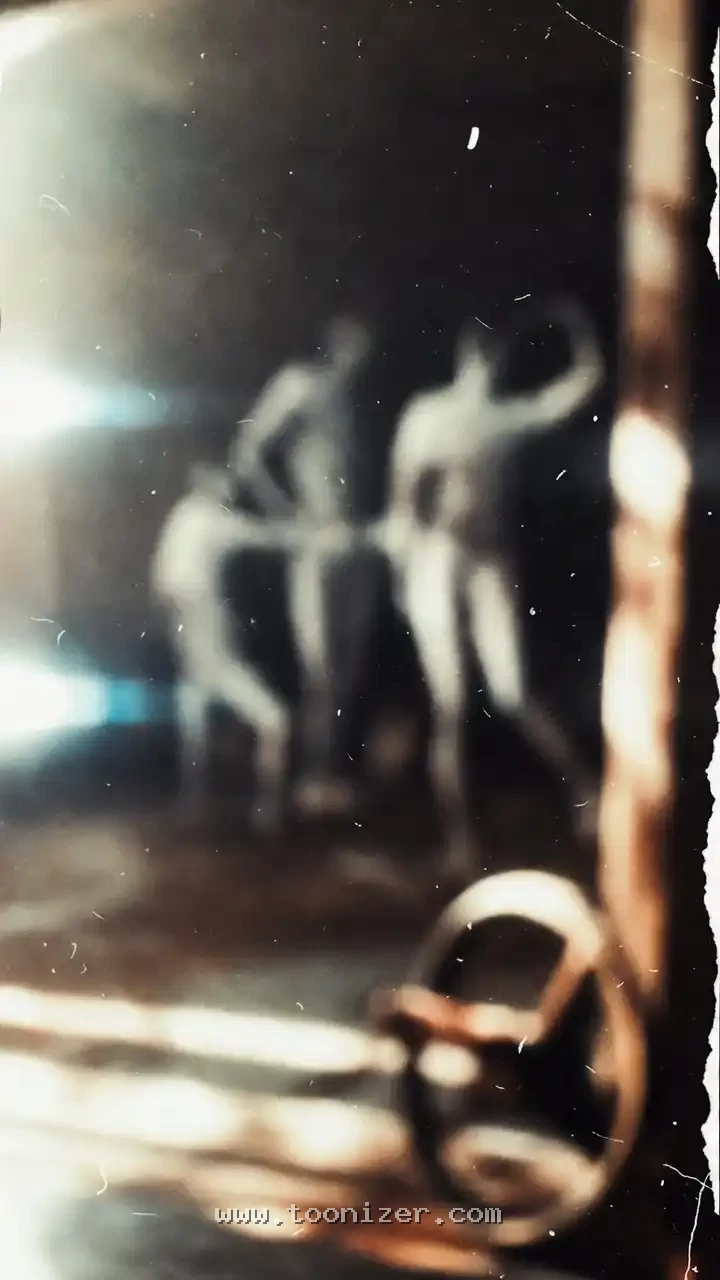
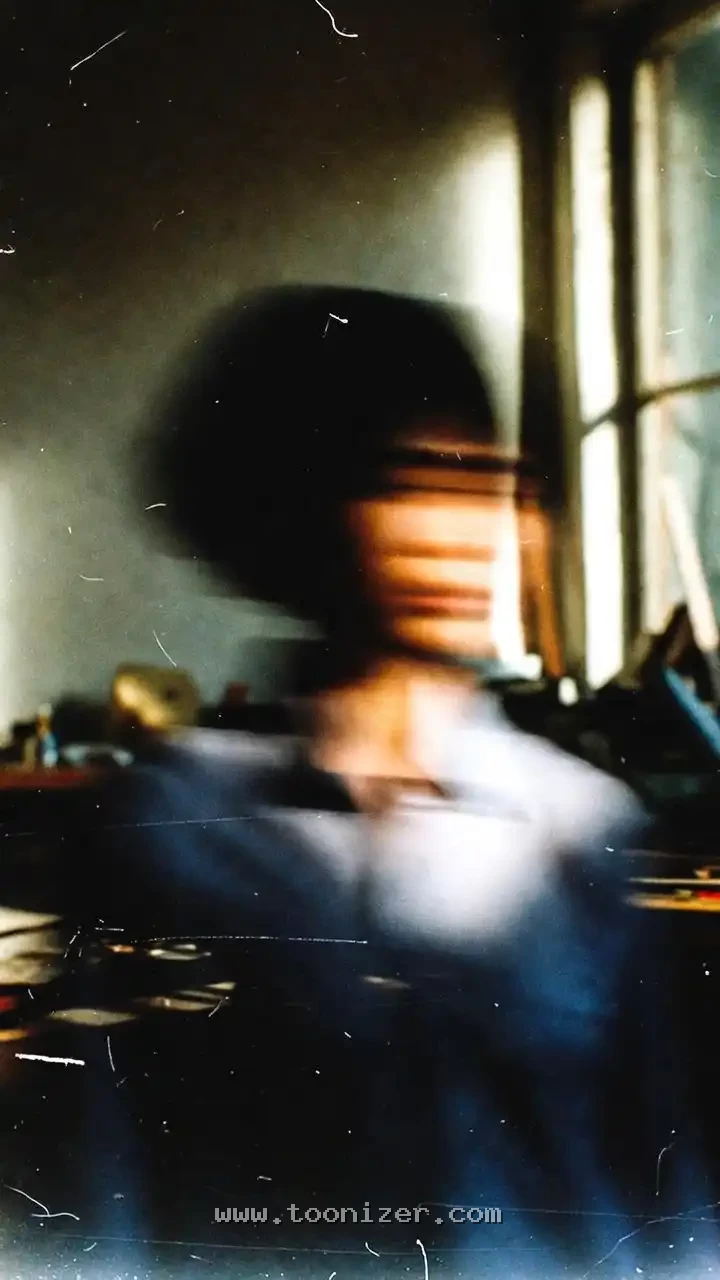
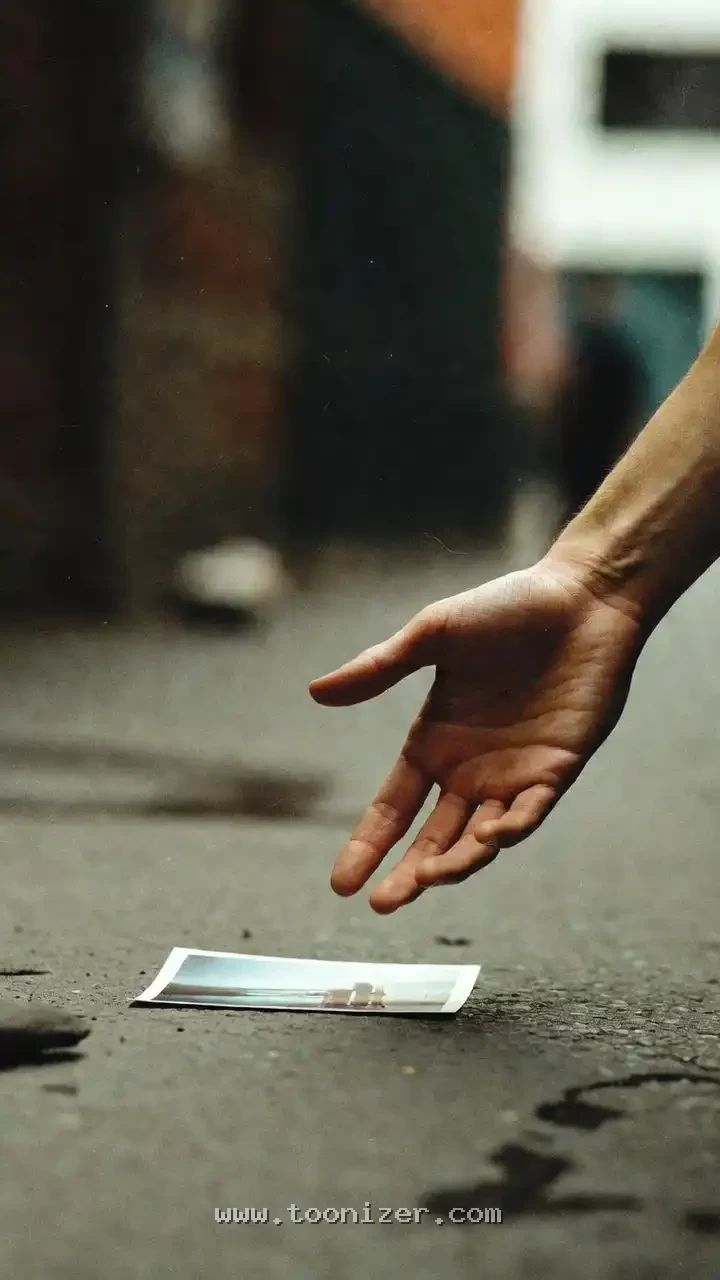
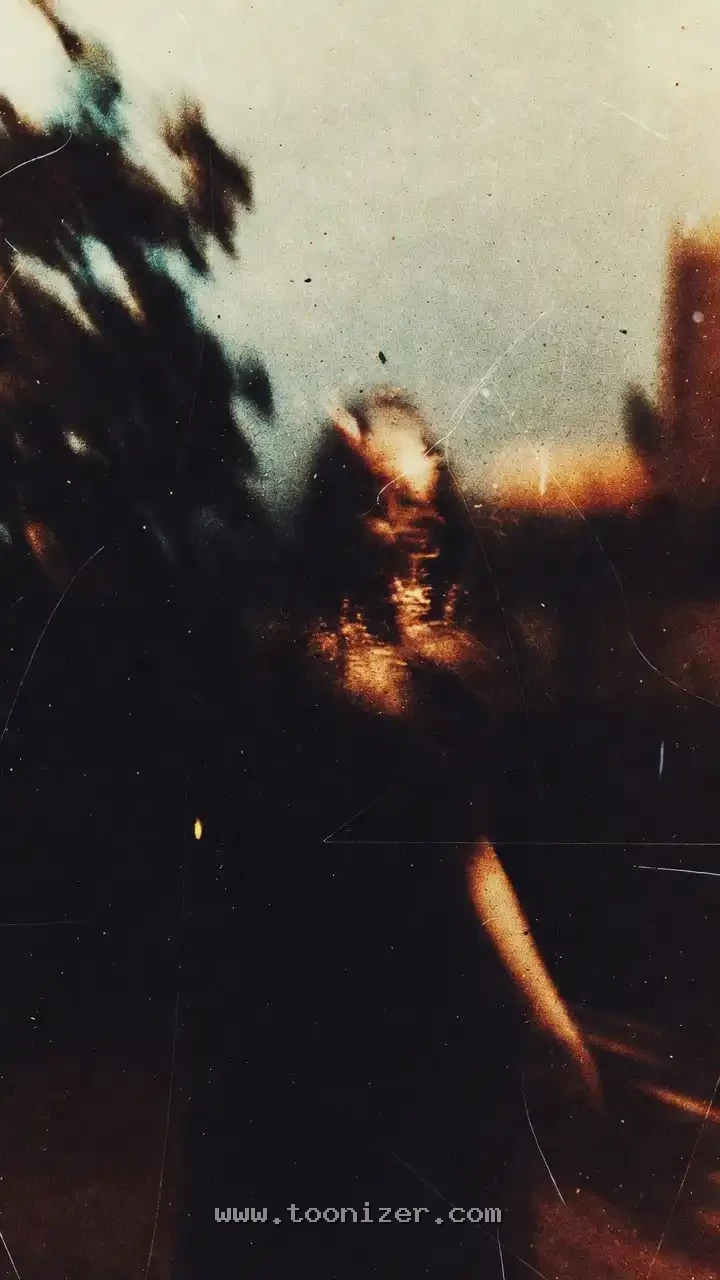
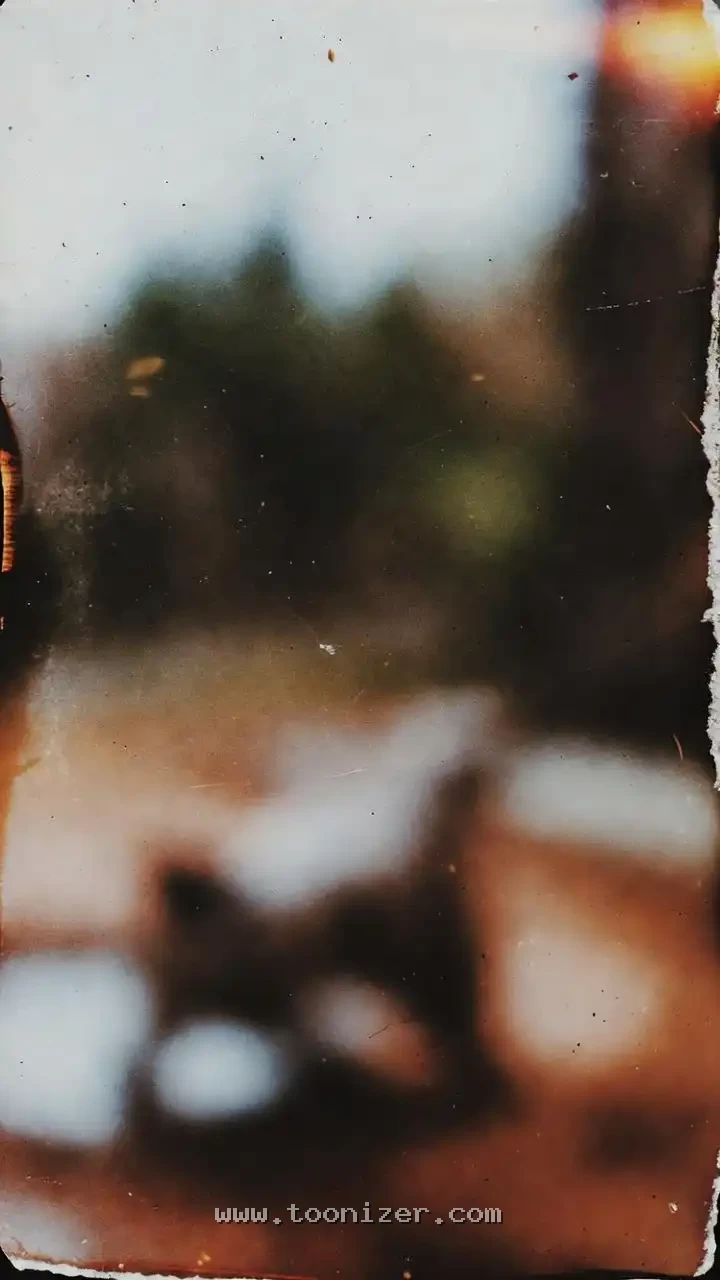
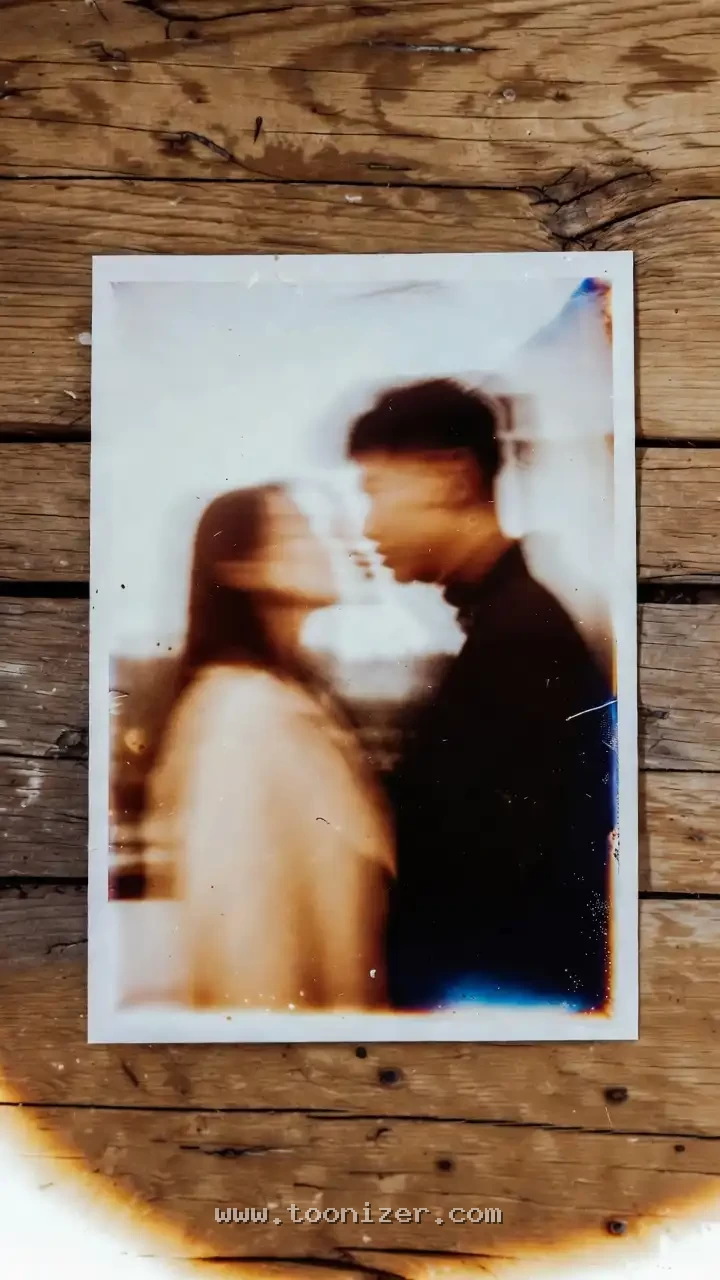
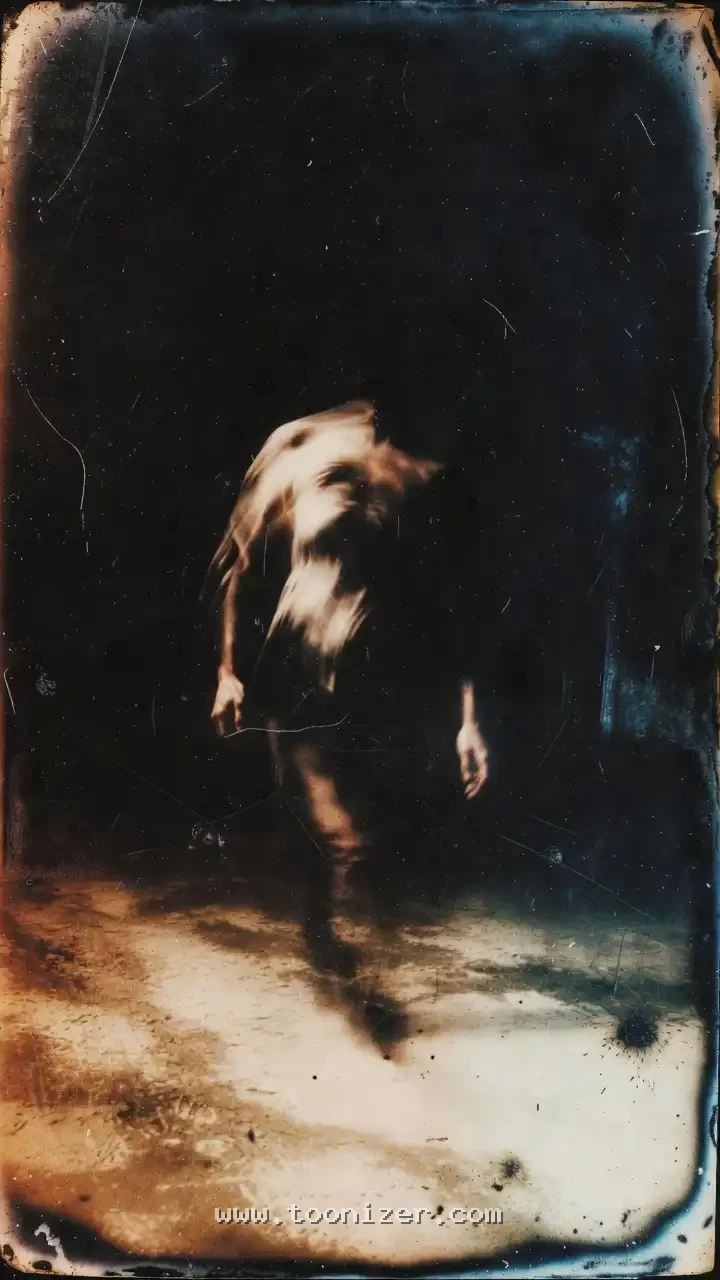
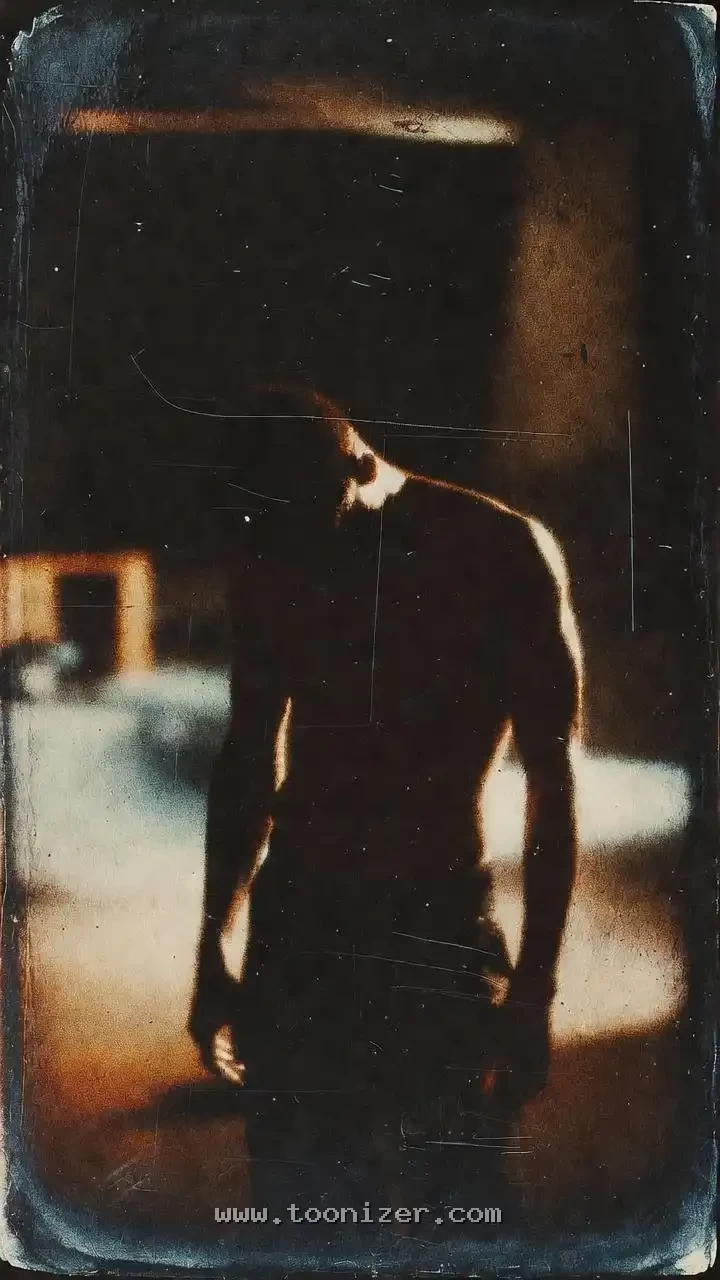
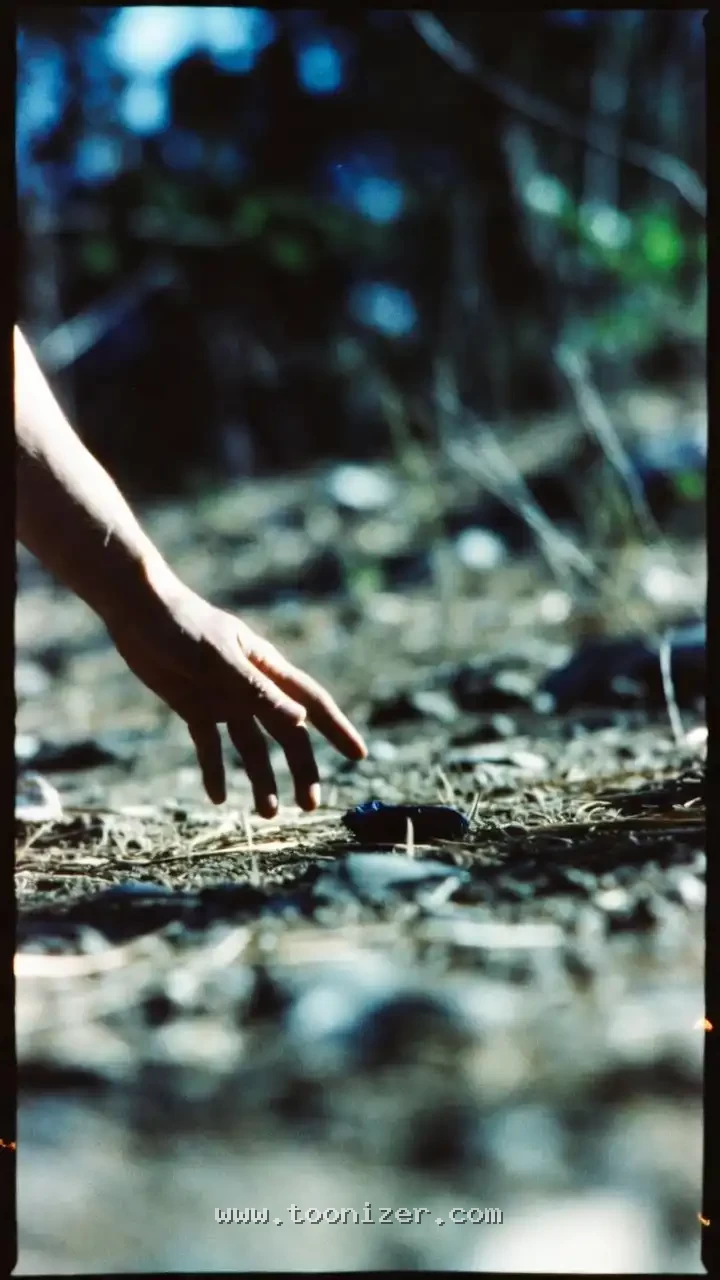
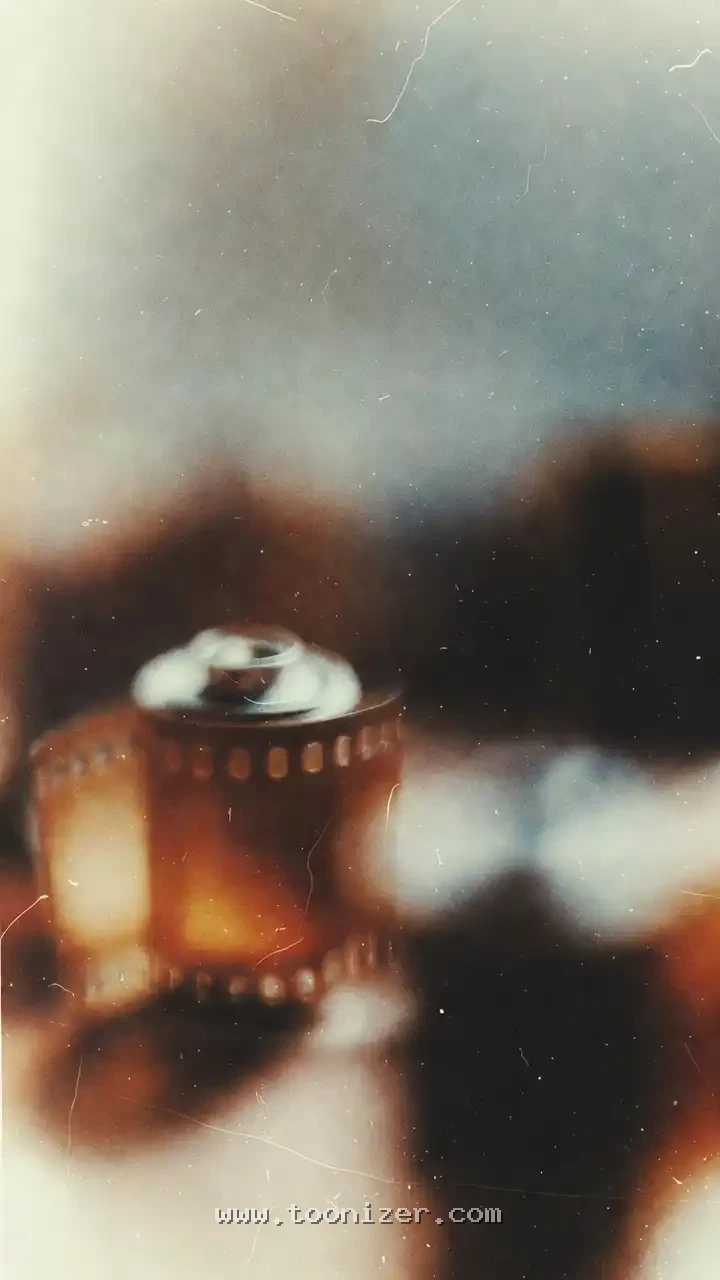
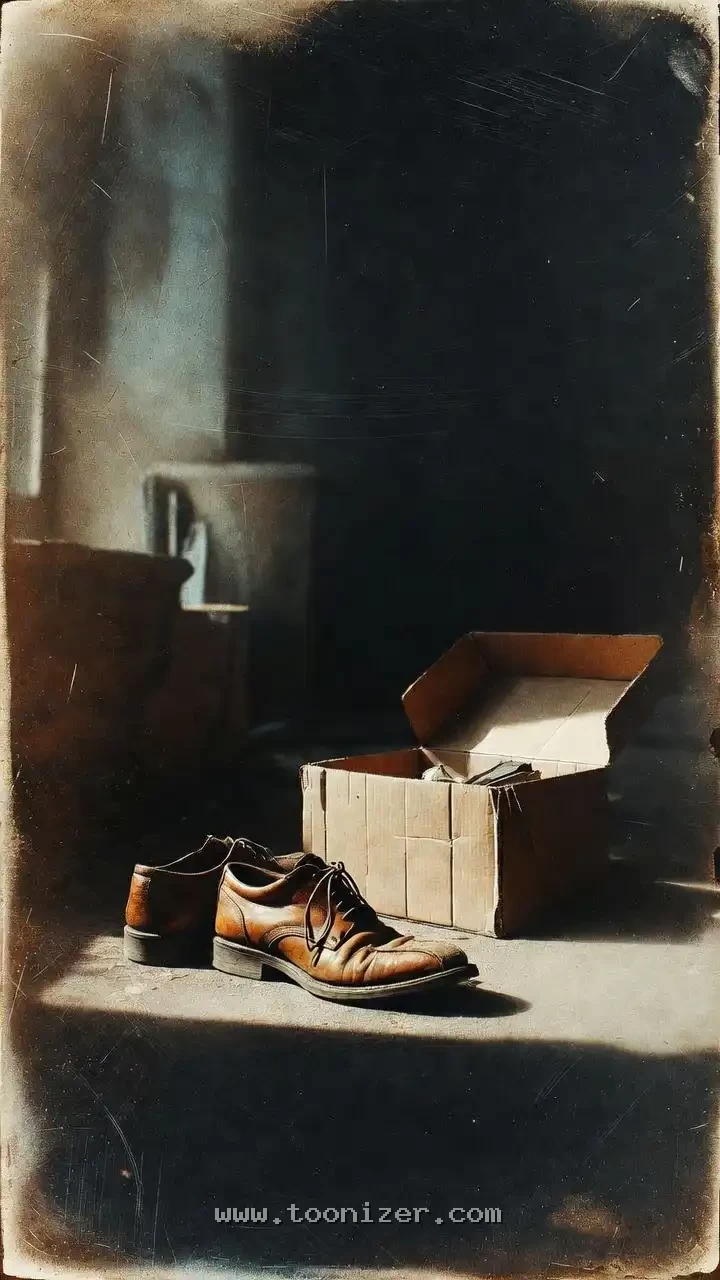
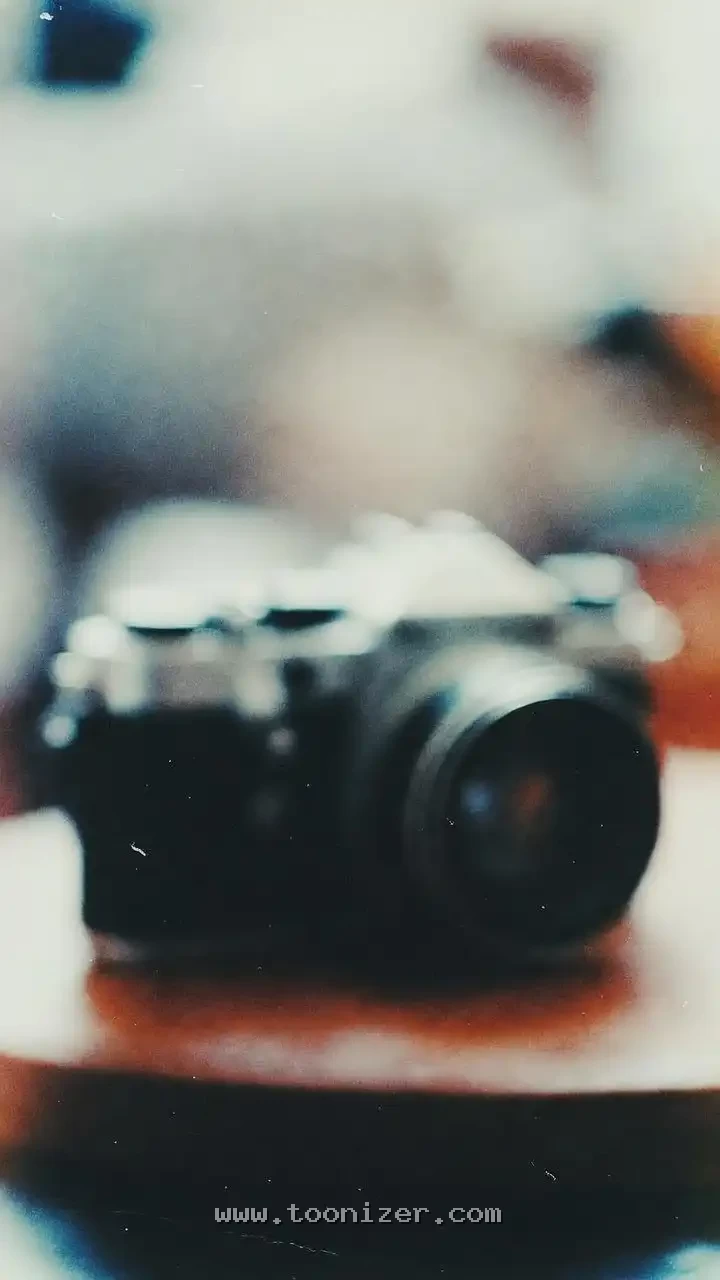
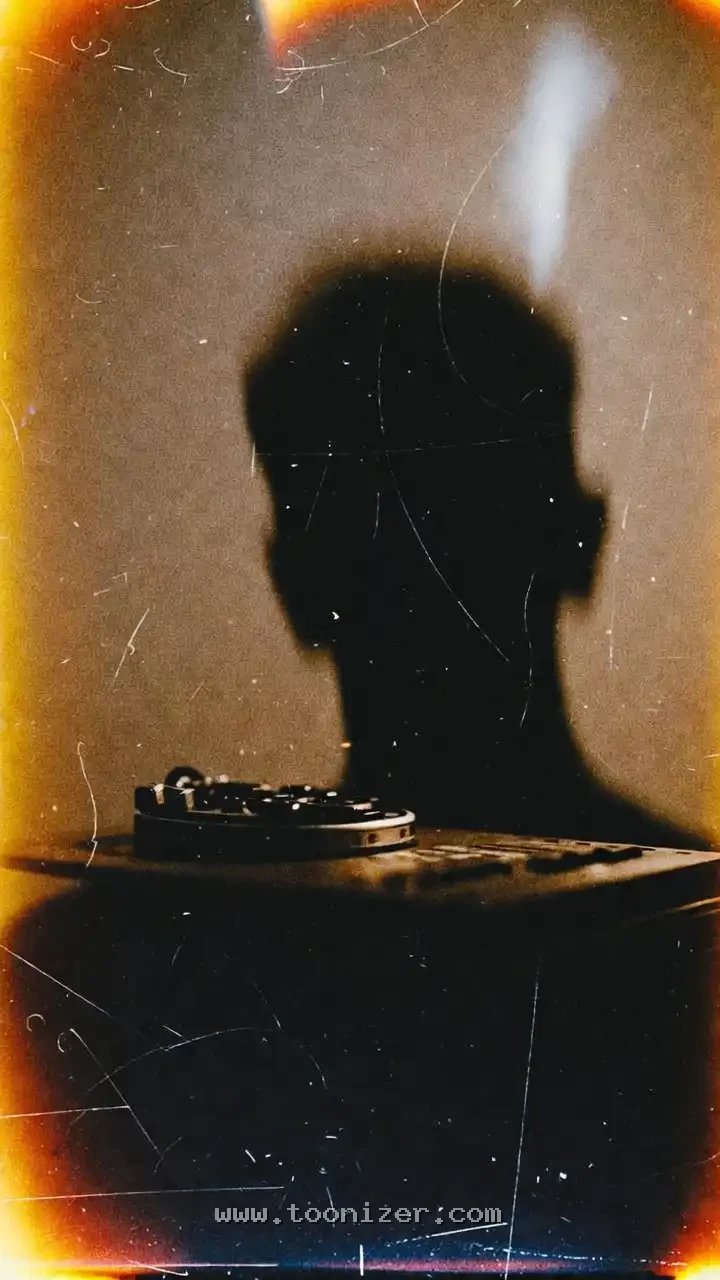
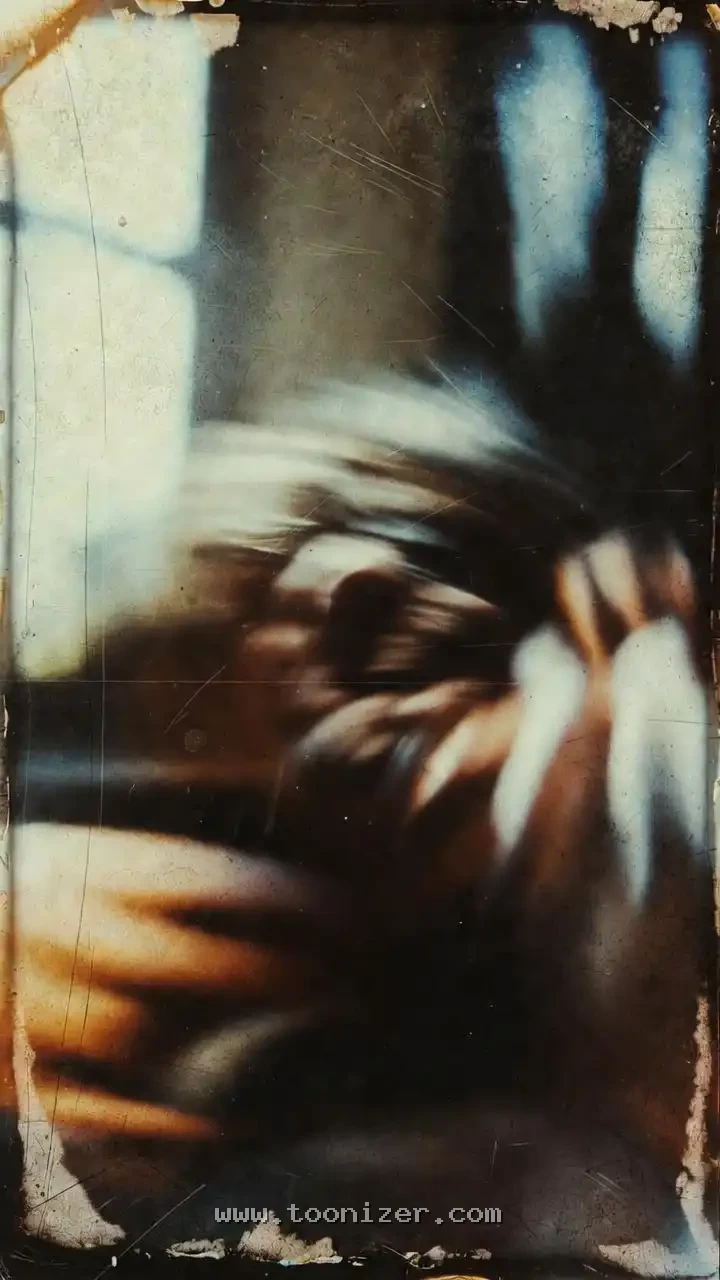
Most photography advice is about getting it right: sharp focus, correct exposure, clean film. This series goes the other way. These are conceptual analog photos of everyday details, shot or printed with the mistakes left in: blur, overexposure, underexposure, light leaks, scratches and faded colour. Below are 33 images, with notes on why imperfect film photos work, how each kind of mistake changes a picture, and how to try the style yourself.
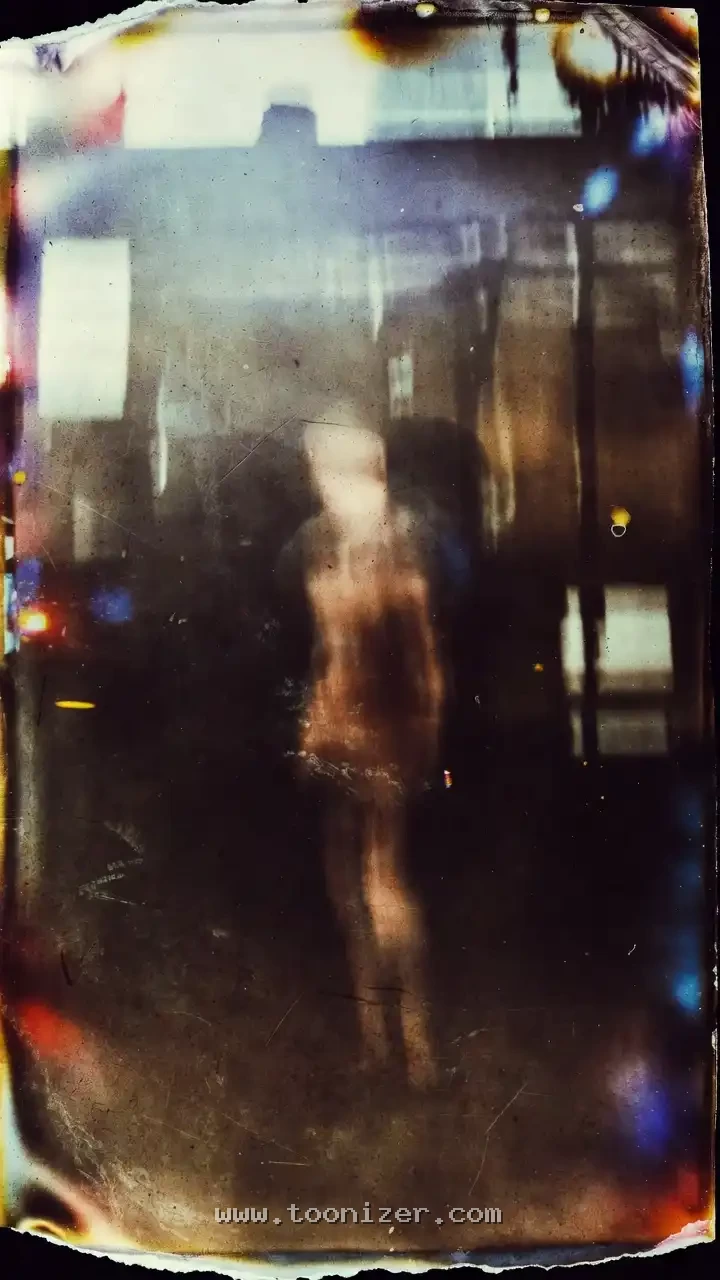
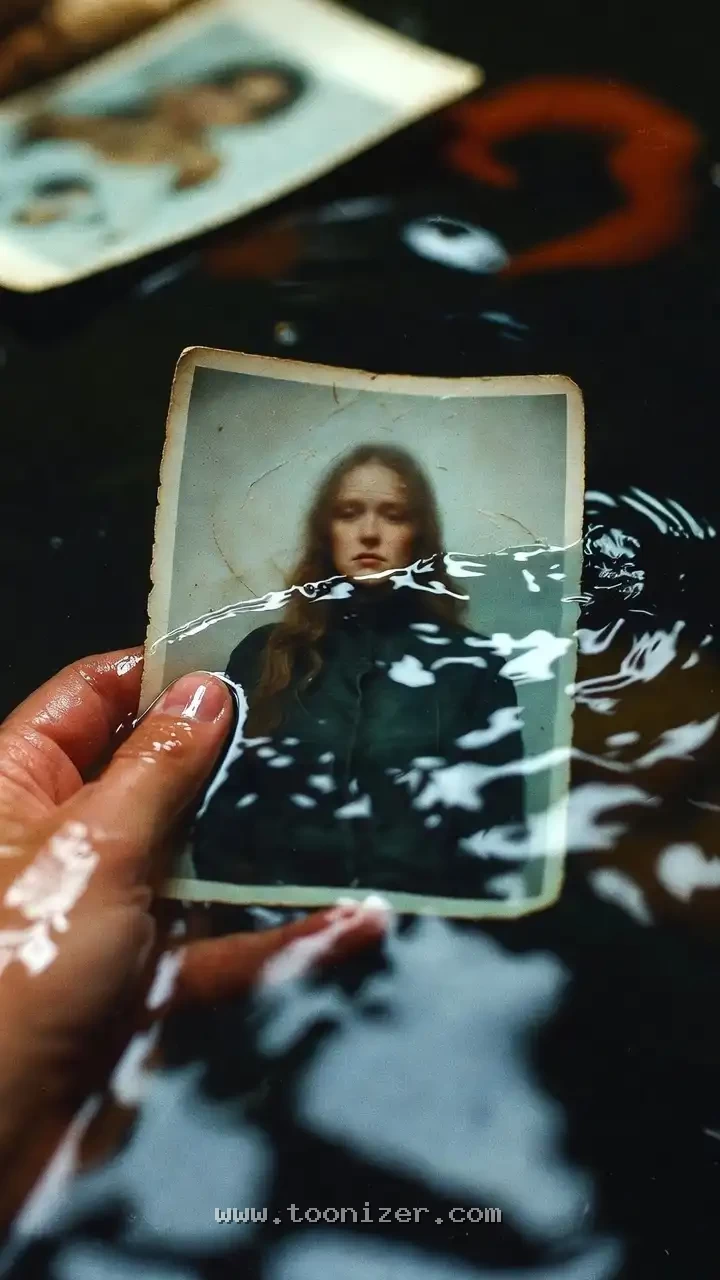
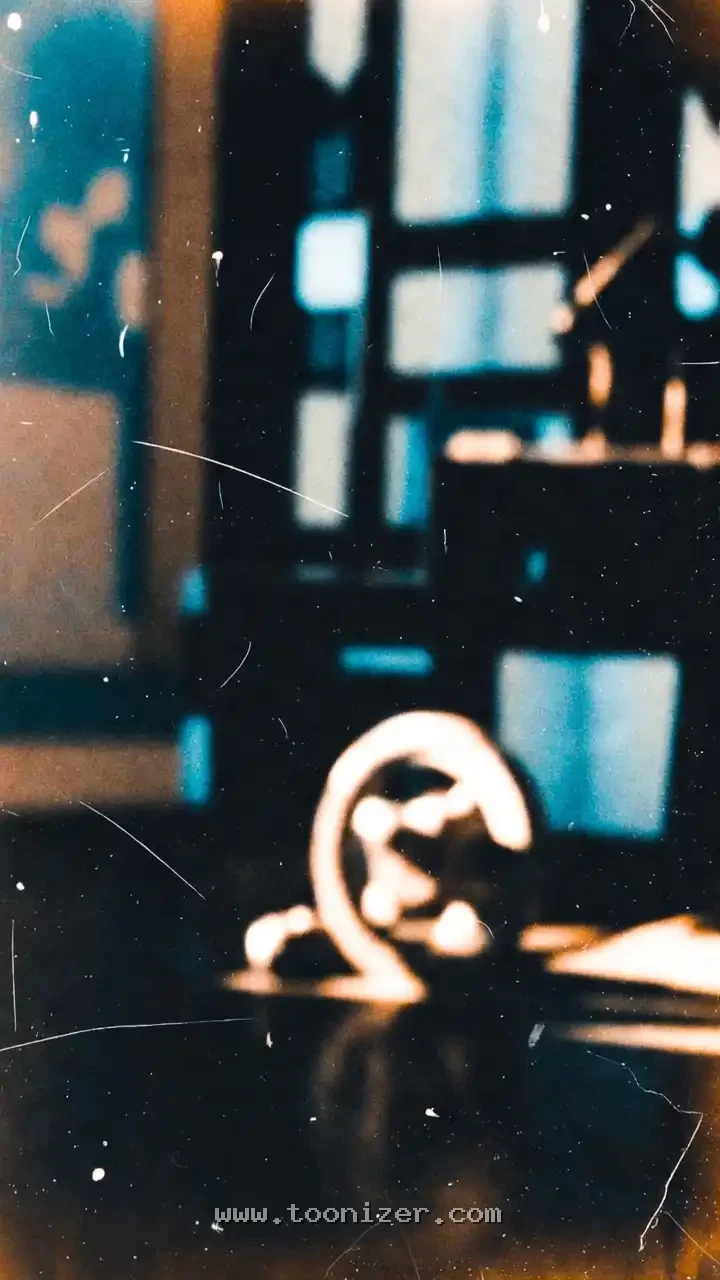
A note on the images: like the other “analog” photos on Toonizer, the pictures in this post were made with AI to show the look. If you want to learn to tell them apart from real film, see how to spot AI vintage photos.
What conceptual analog photography is
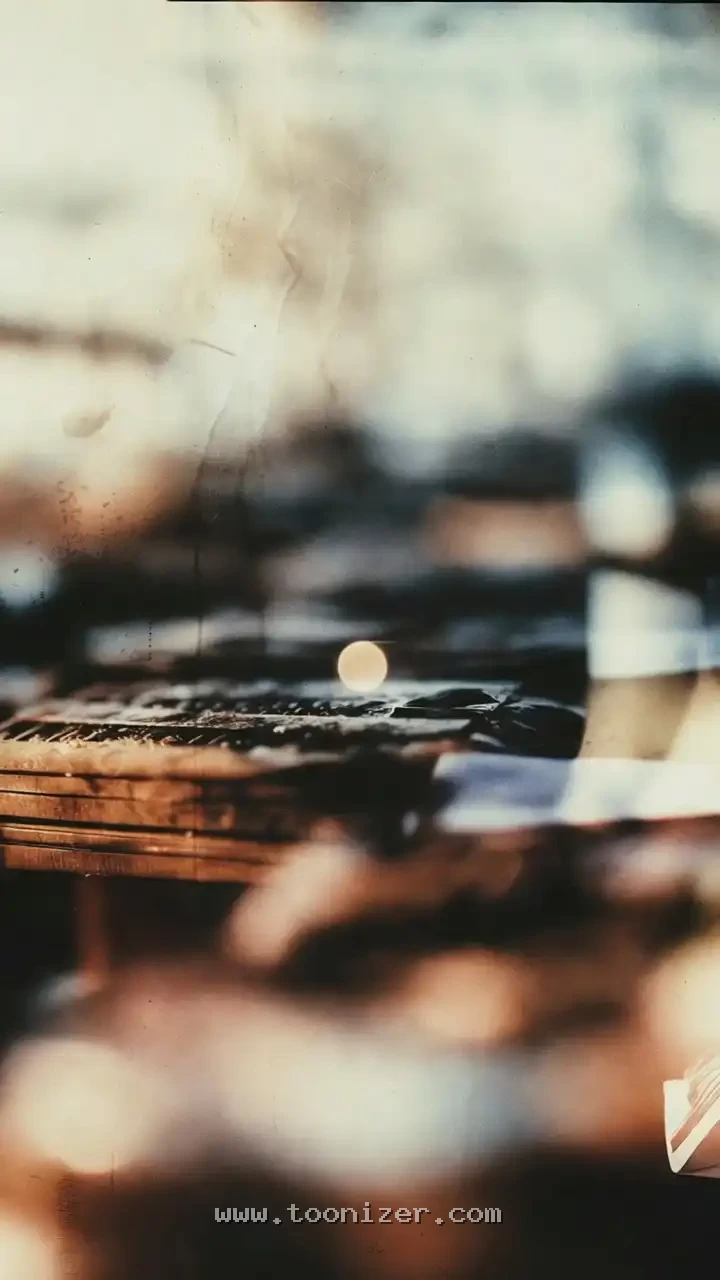
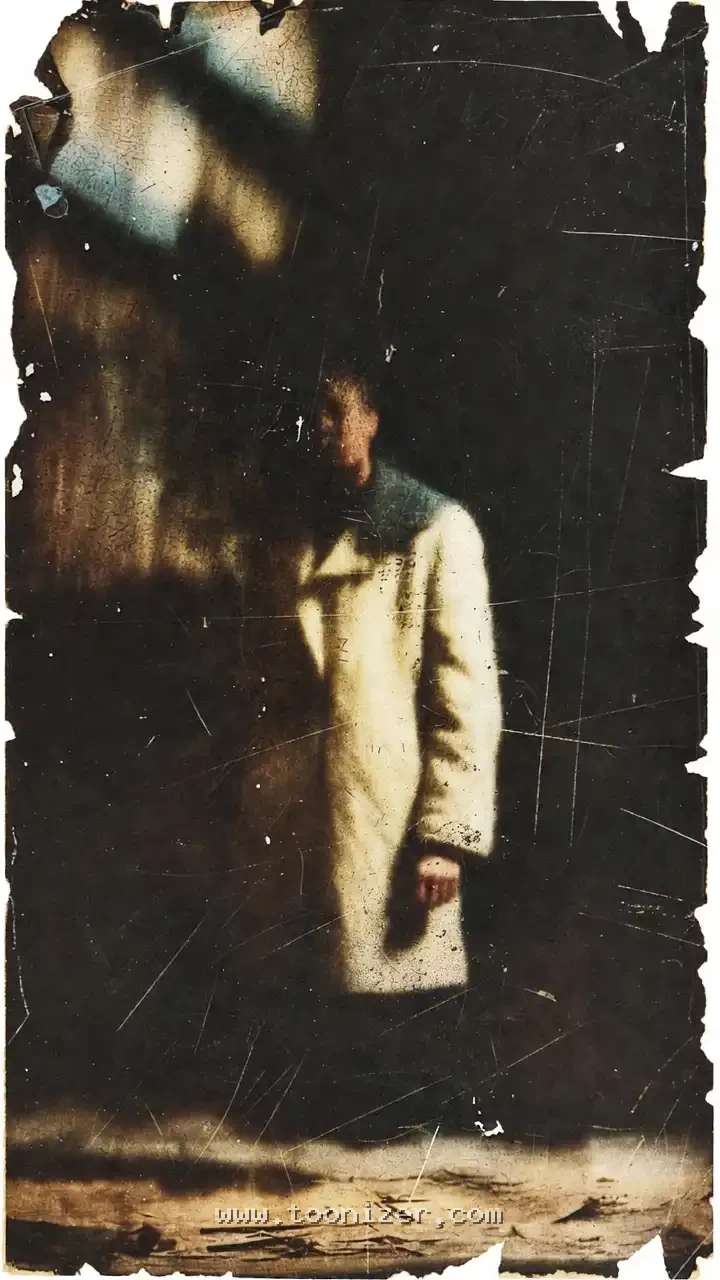
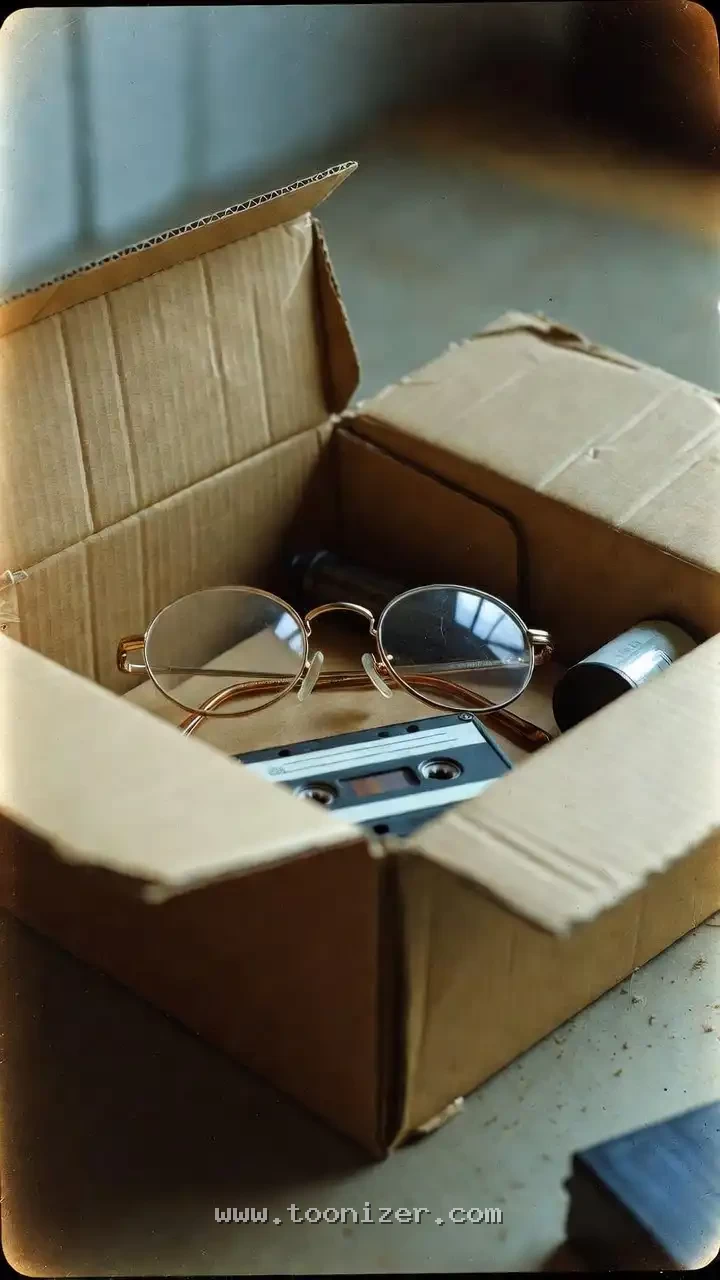
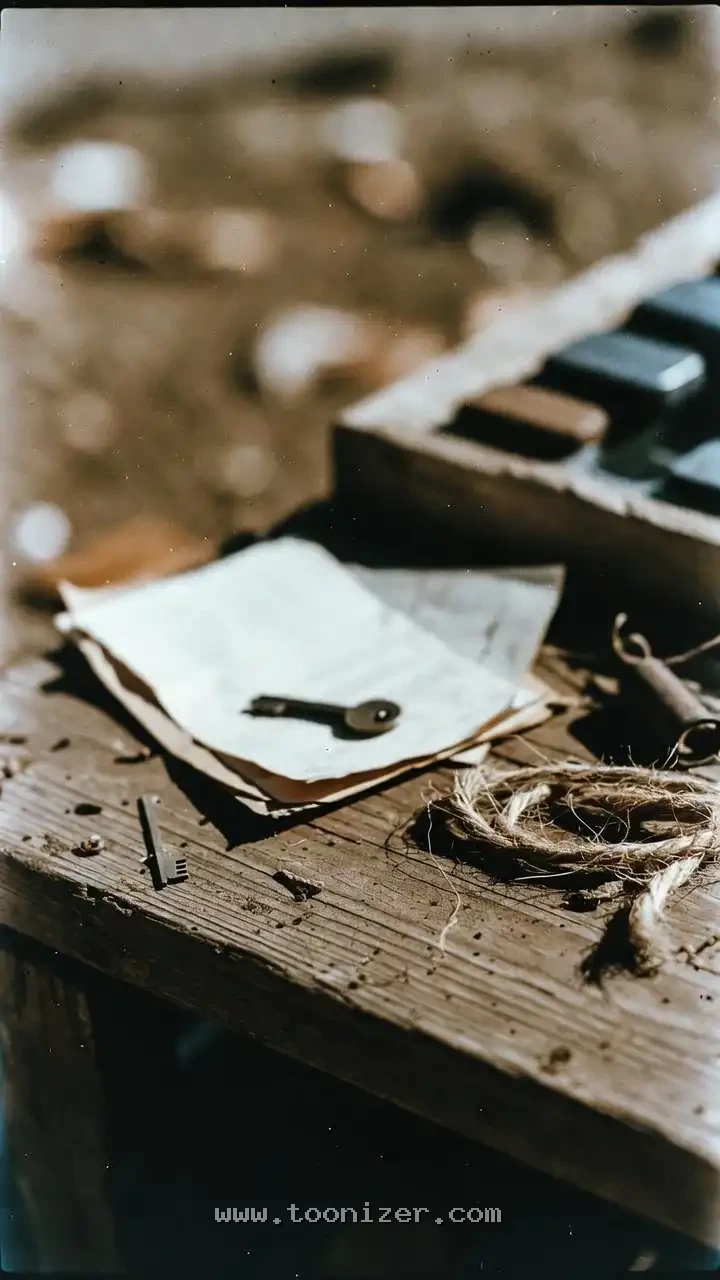
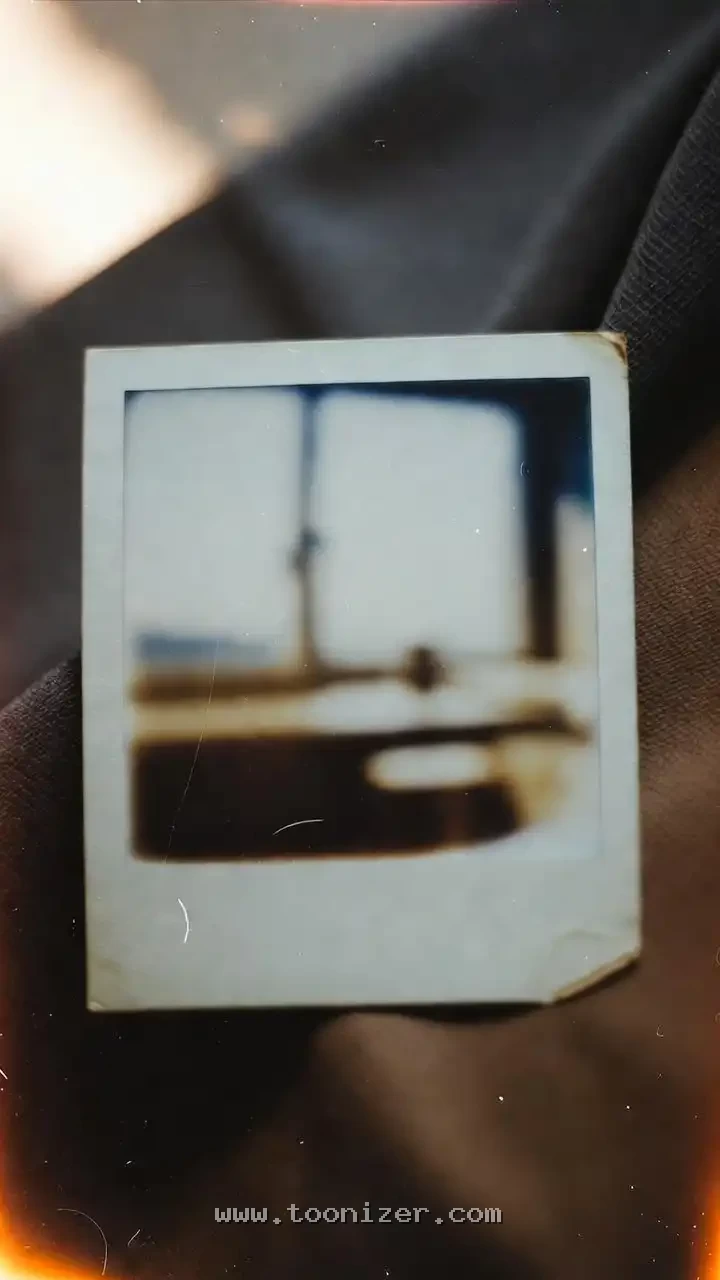
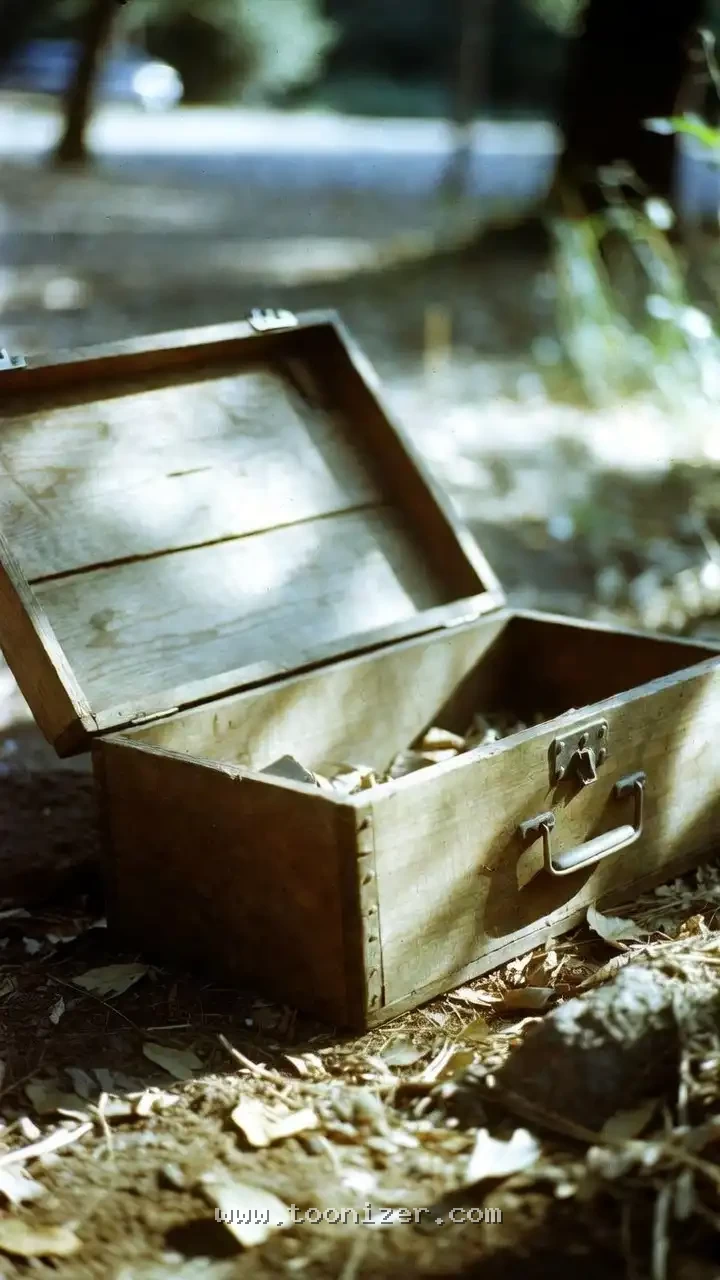
Conceptual photography starts with an idea rather than a subject. Here the idea is simple: ordinary things are worth looking at, and the way a photo fails can say as much as what it shows. A cup on a table, a hand on a door, a corner of a room or a shadow on a wall becomes something else when the focus slips or the exposure is wrong. The damage on the print adds time to the picture, as if it had been found in a drawer years later.
Why blurry, imperfect photos feel real
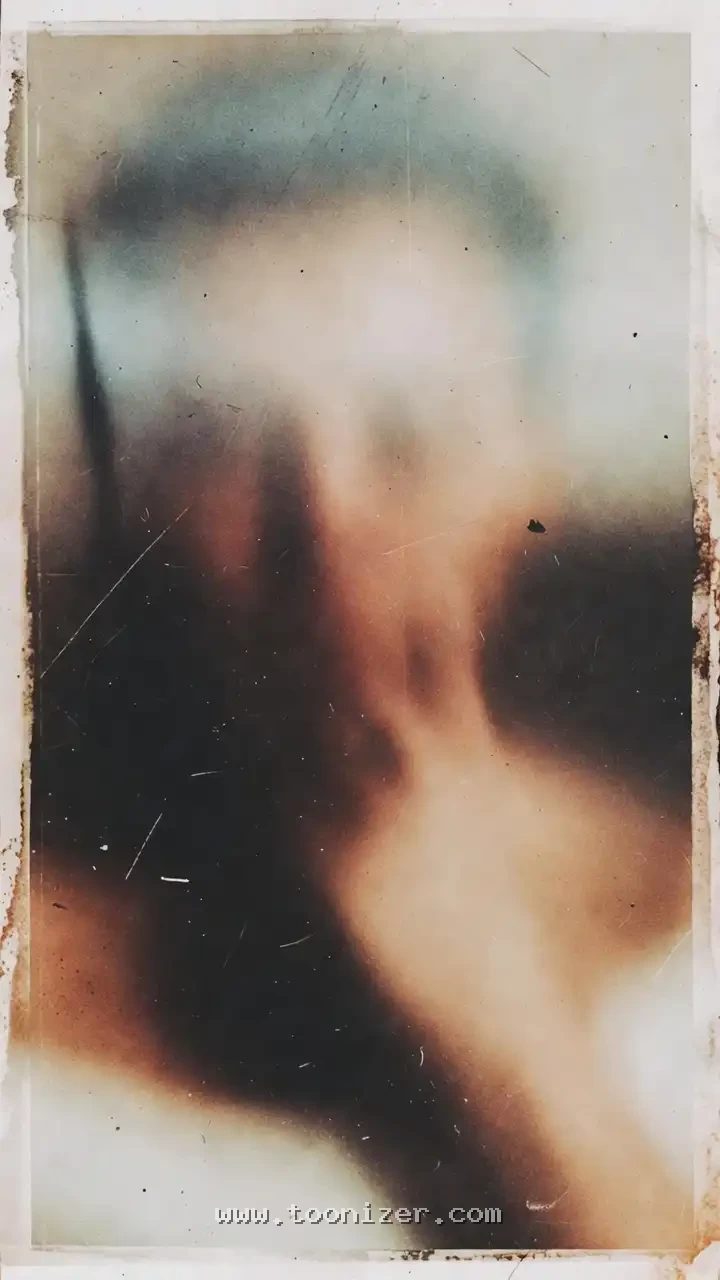
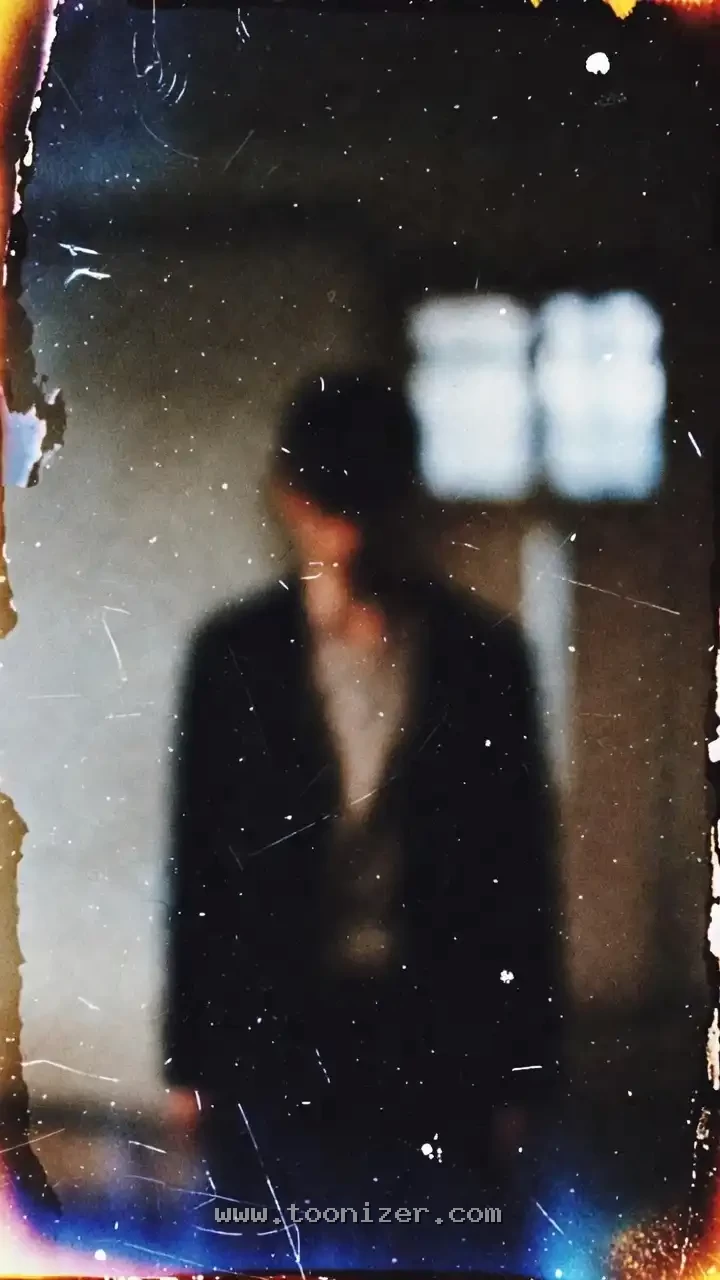
A perfectly sharp photo shows what was in front of the camera. A blurry or badly exposed one also shows the moment of taking it: a hand that moved, a camera pointed too quickly, light that changed. That is why imperfect snapshots often feel closer to memory than polished images do. Memory is not sharp either.
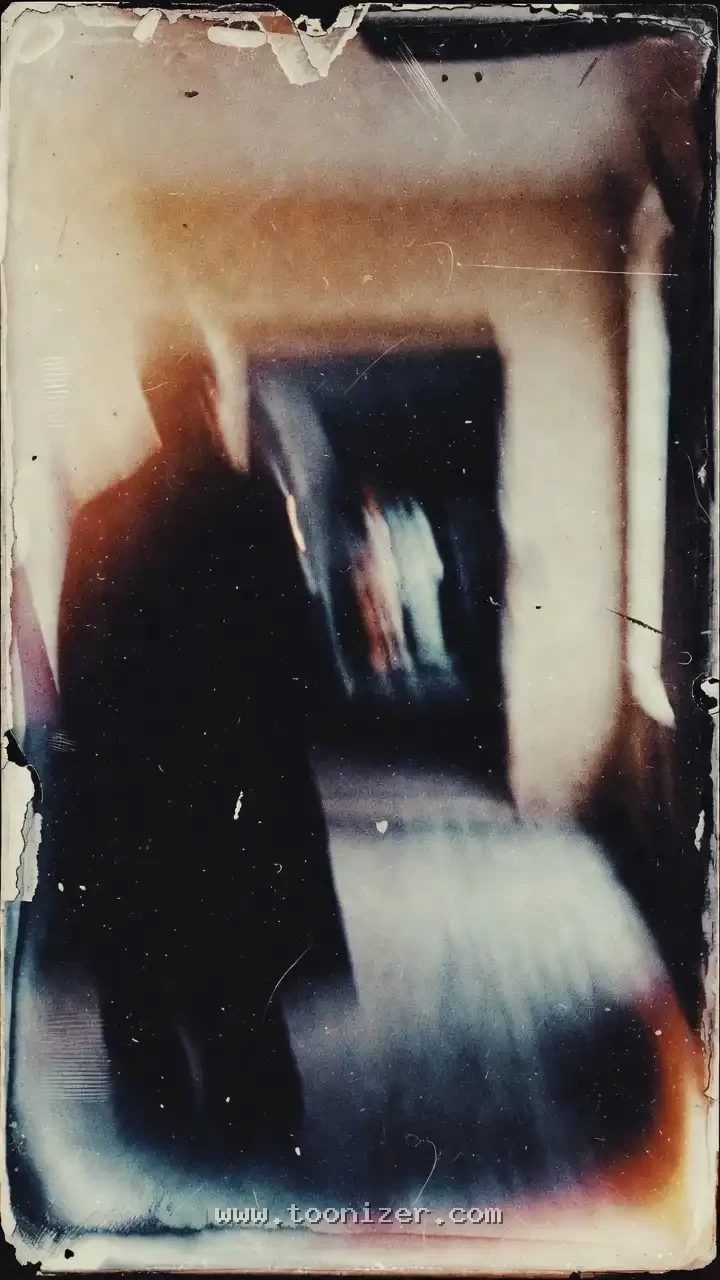
- Blur suggests movement and haste, a moment caught on the way past.
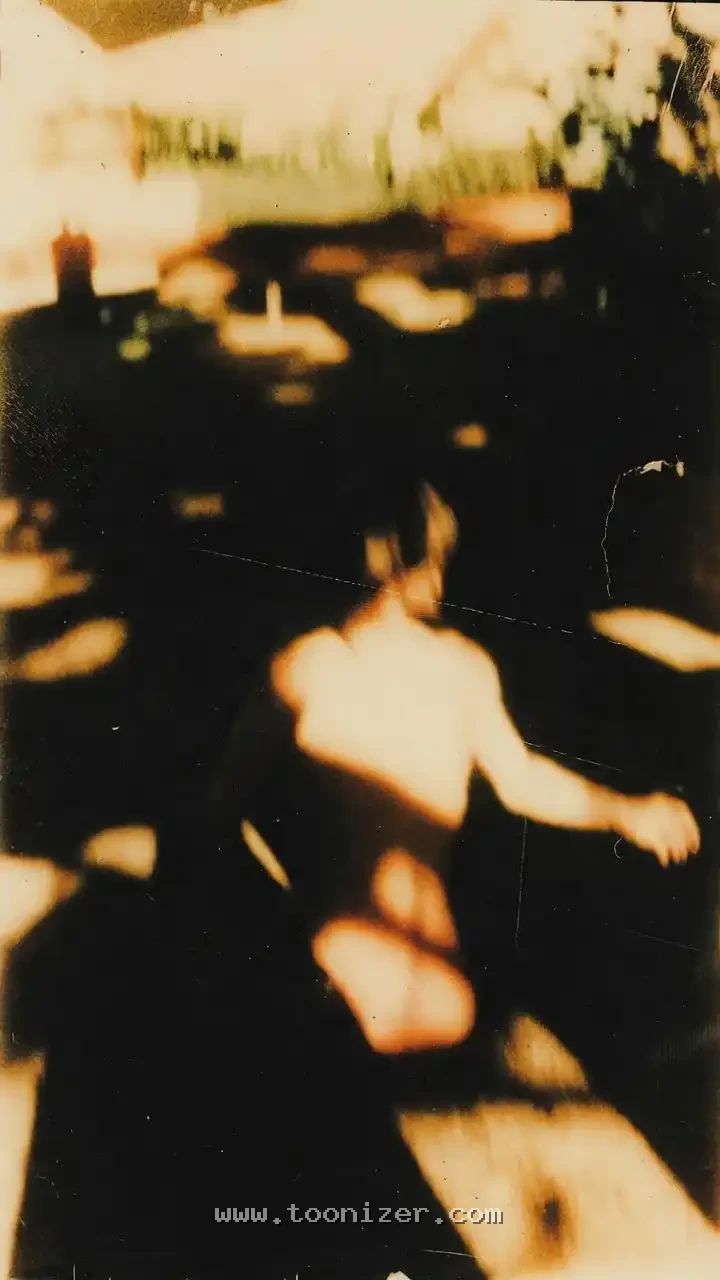
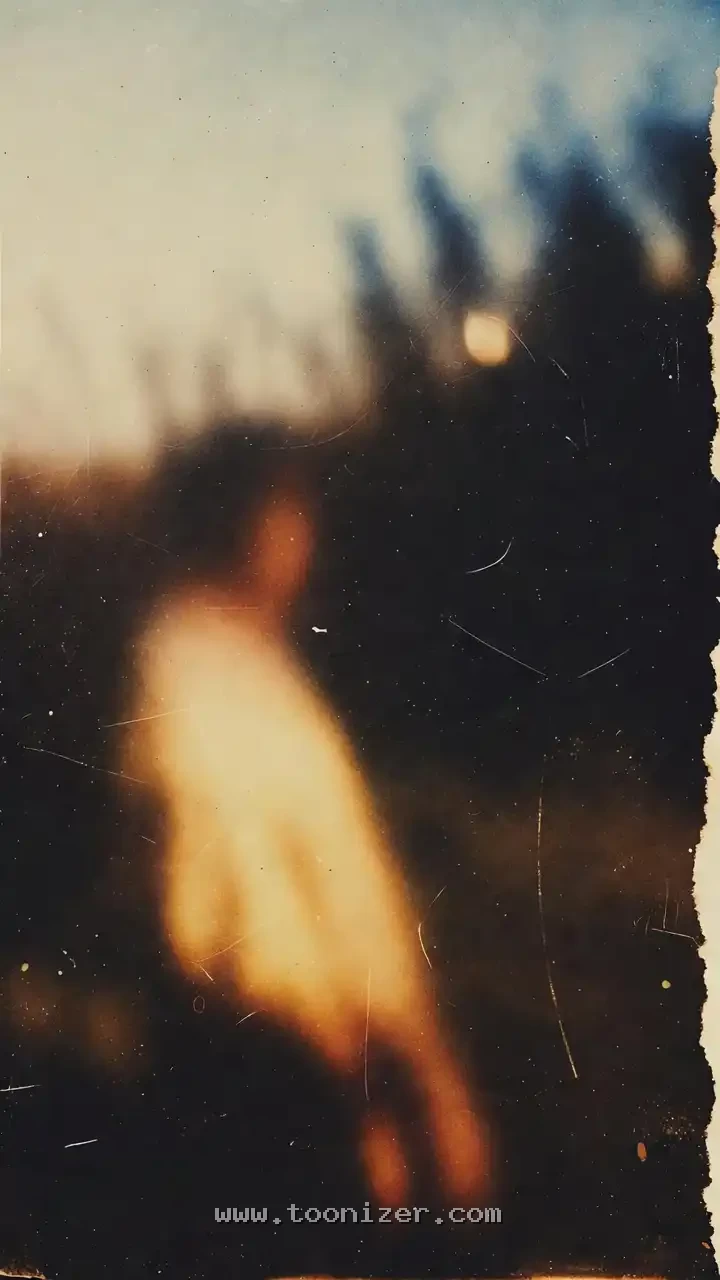
- Overexposure washes out detail and makes a scene feel bright, hot or dreamlike.
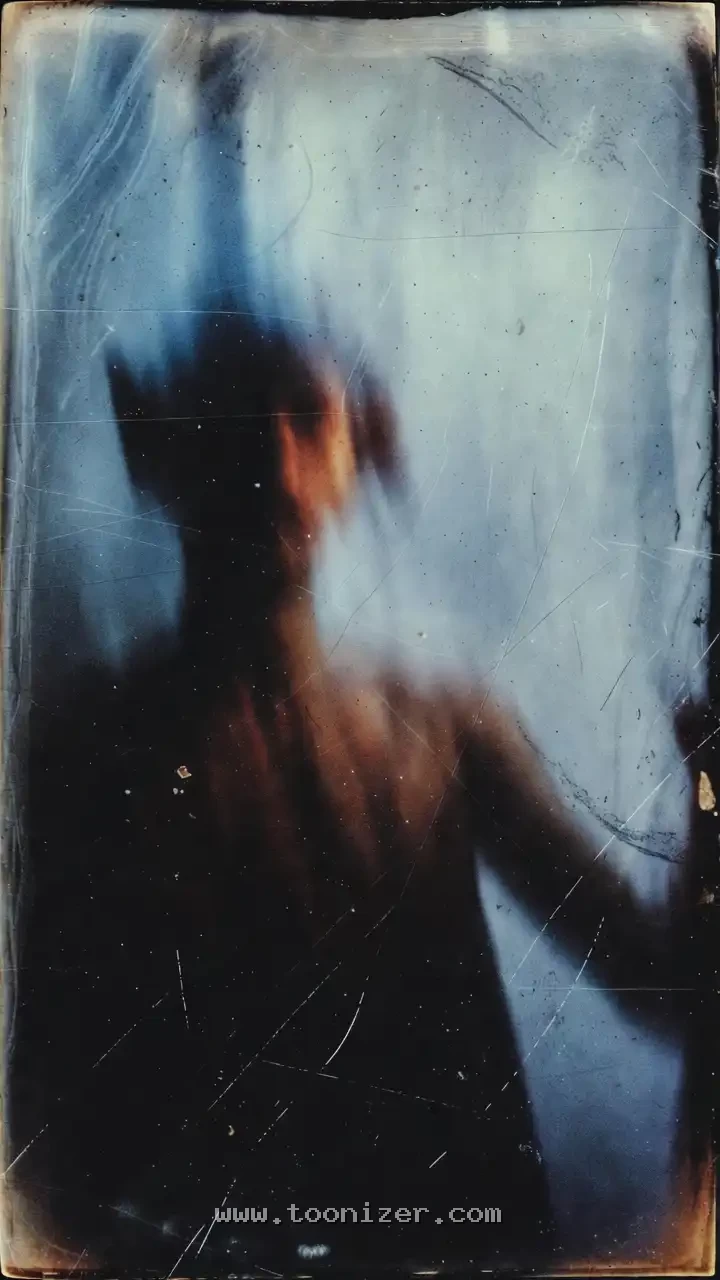
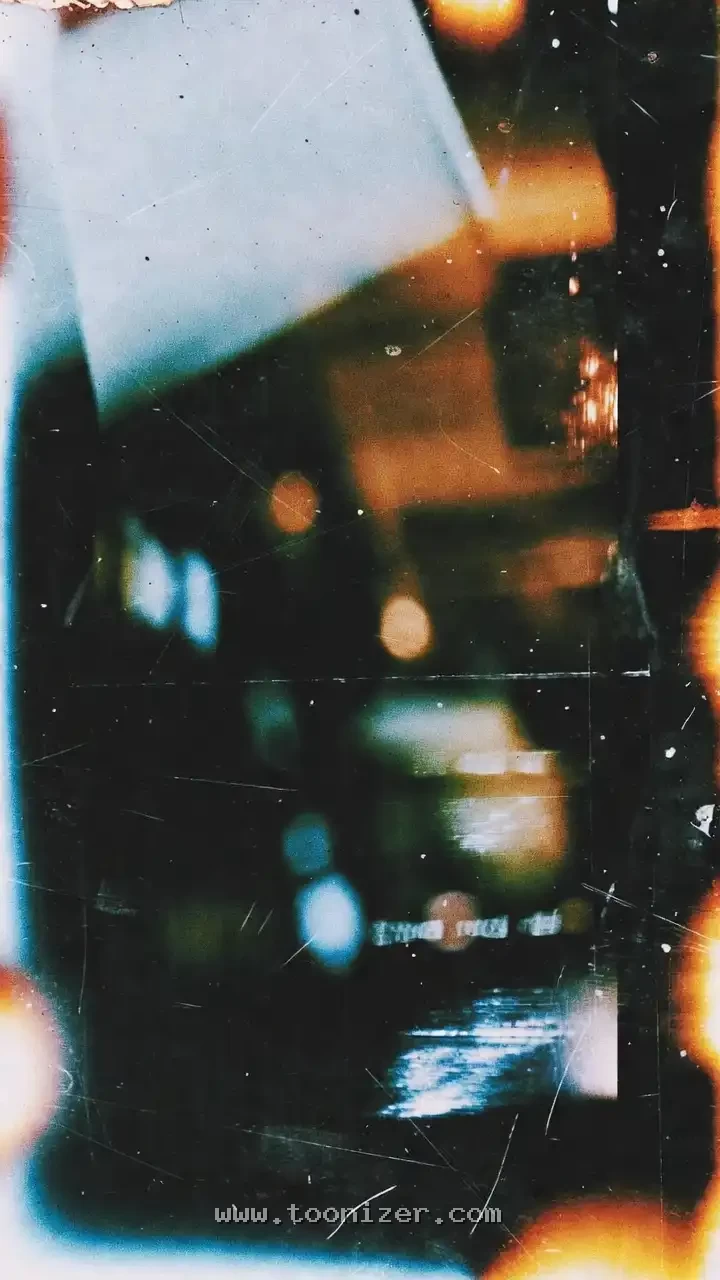
- Underexposure hides most of the frame and leaves only a few shapes in the dark.
- Damage such as scratches, stains and colour shift adds age and a sense that the photo has a history.
Everyday details as a subject
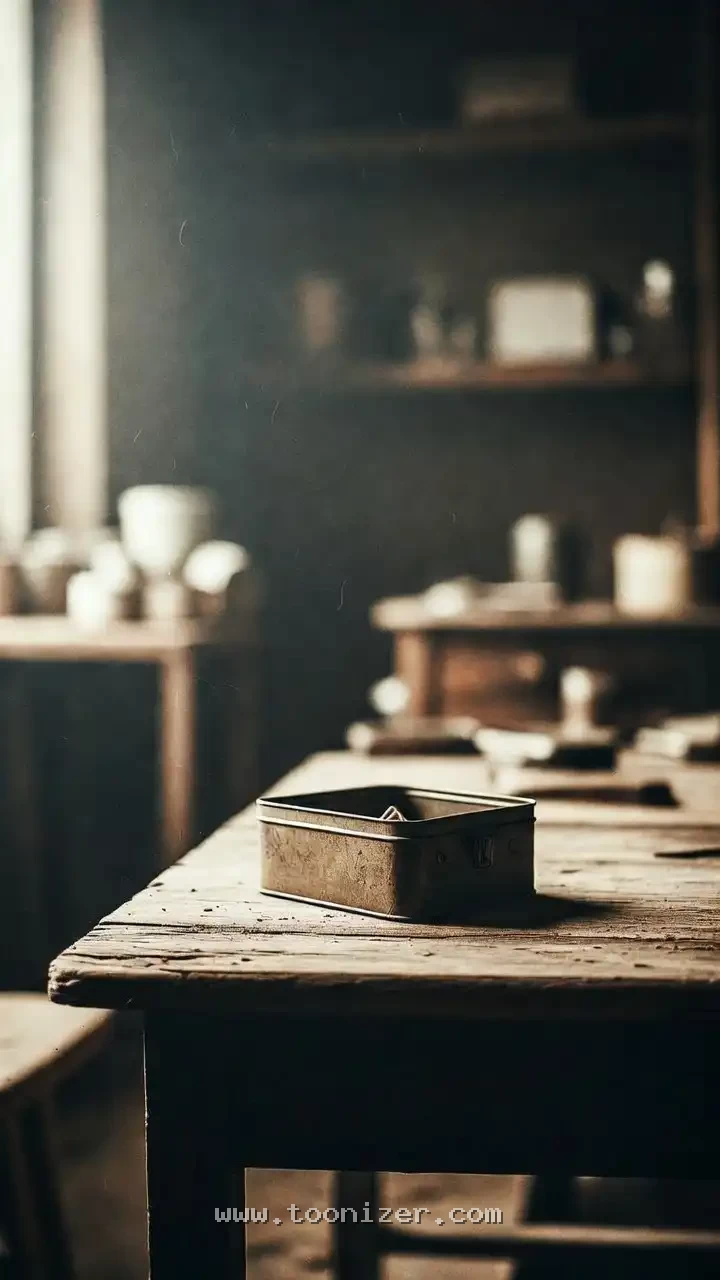
The subject of this series is deliberately small. Instead of landscapes or portraits, the camera looks at the things people pass every day without noticing. Good everyday details to photograph include:
- Objects on a table after a meal, or a half-finished drink
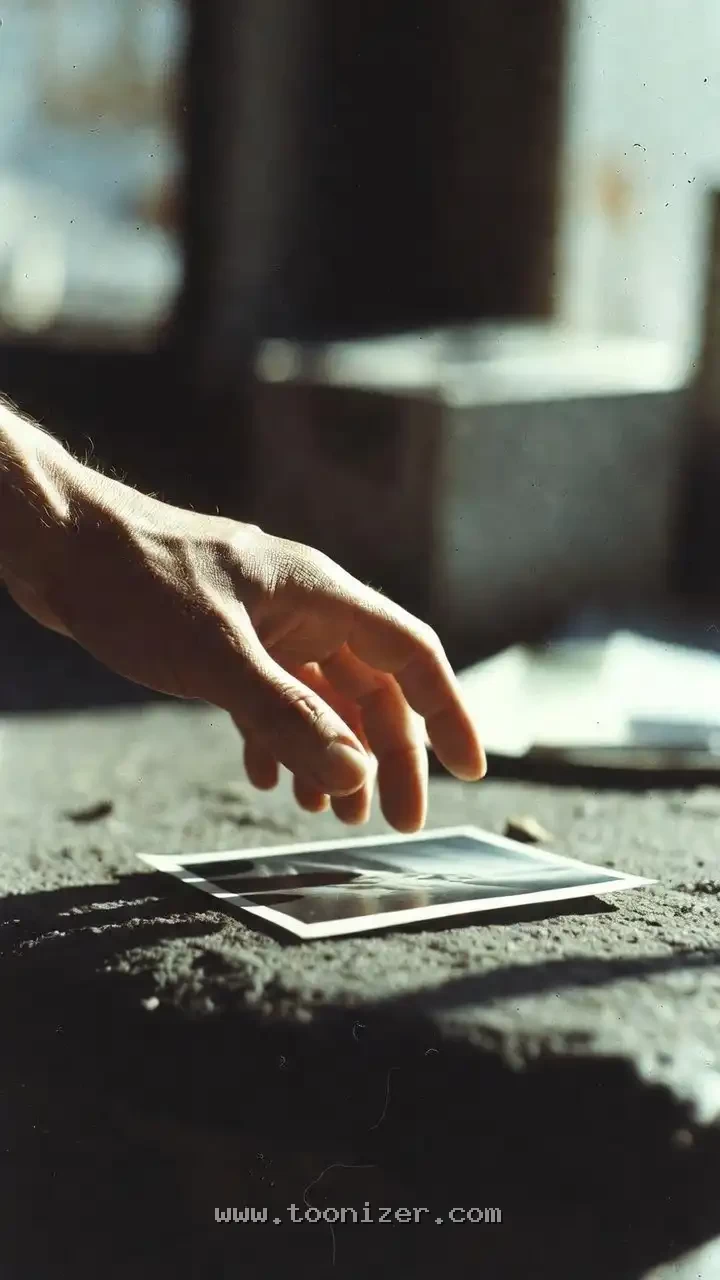
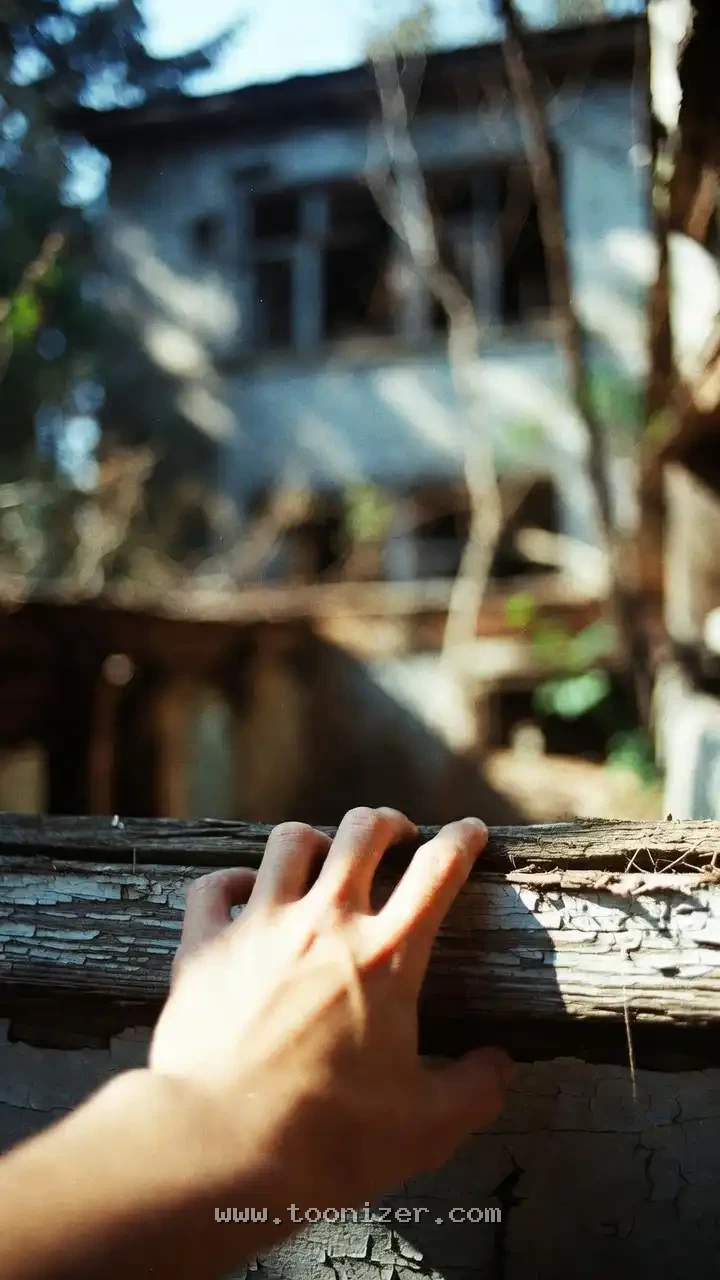
- Hands doing something ordinary: holding a cup, opening a door, tying a shoe
- Light from a window falling on a wall, bed or floor
- Corners of rooms, stairs, chairs, curtains and doorways
- Street details: a sign, a bus window, wet pavement, a parked bicycle
How to make mistakes on purpose
Real accidents are the best kind, but you can push a film camera towards them. These are simple ways to get the look:
- Shoot at slow shutter speeds (1/15 s or slower) without a tripod for natural motion blur.
- Focus too close or too far, or use a cheap plastic-lens camera with no focus at all.
- Ignore the light meter: open up two or three stops for overexposure, close down for dark, muddy frames.
- Use expired film. Old film shifts colour, loses contrast and adds grain on its own.
- Open the back of the camera for a second at the end of a roll for light leaks (only on frames you can lose).
For a closer look at each kind of film flaw and what causes it, see our guide to film damage, light leaks and scratches.
Editing a series of imperfect photos
When every frame is flawed, choosing which ones to keep matters more than usual. A few rules that help a lo-fi series hang together:
- Keep one idea per series, such as “everyday details” or “one room over a year”.
- Mix sharp and blurry frames so the blur means something.
- Keep the colour of the series close: all warm, all faded, or all cold.
- Show the photos in pairs or small groups, so viewers compare them.
- Cut any frame that looks like a mistake with no reason behind it.
Getting the look without film
If you do not shoot film, you can still work in this style. Shoot with a phone at slow shutter speeds or in low light, lower the sharpness and contrast, push the highlights, add grain and a slight colour cast, and scan or photograph real paper textures to lay over the image. The result will not be identical to film, but the idea, ordinary things seen imperfectly, carries over.
Frequently asked questions
Is blurry photography a real style?
Yes. Many photographers have used blur, grain and wrong exposure on purpose, and lo-fi analog photos are popular today on film forums and social media.
What camera is best for lo-fi analog photos?
Simple point-and-shoot cameras, plastic toy cameras and old fixed-focus cameras work well because they give you less control and more accidents.
Does expired film still work?
Usually, yes. It tends to lose contrast and shift colour, which suits this style. Overexpose it by one stop for every decade past its date as a rough starting point.
More analog photography on Toonizer
- Moody film portrait ideas: window light, grain and light leaks
- Film street photography in New York and Berlin
- 1960s family photos and old snapshots
- Grain, blur and love: old hippie snapshots
- How to restore old damaged photos
- How to store old photos and Polaroids
Have an everyday photo you like? Turn it into a drawing with the free Toonizer cartoon generator.
0 Comments