
A moody portrait does not need much: one source of light, a quiet expression and some shadow. Film adds the rest with grain, soft color and the occasional light leak. The ideas below are grouped by setting, with a short note on what makes each one work.
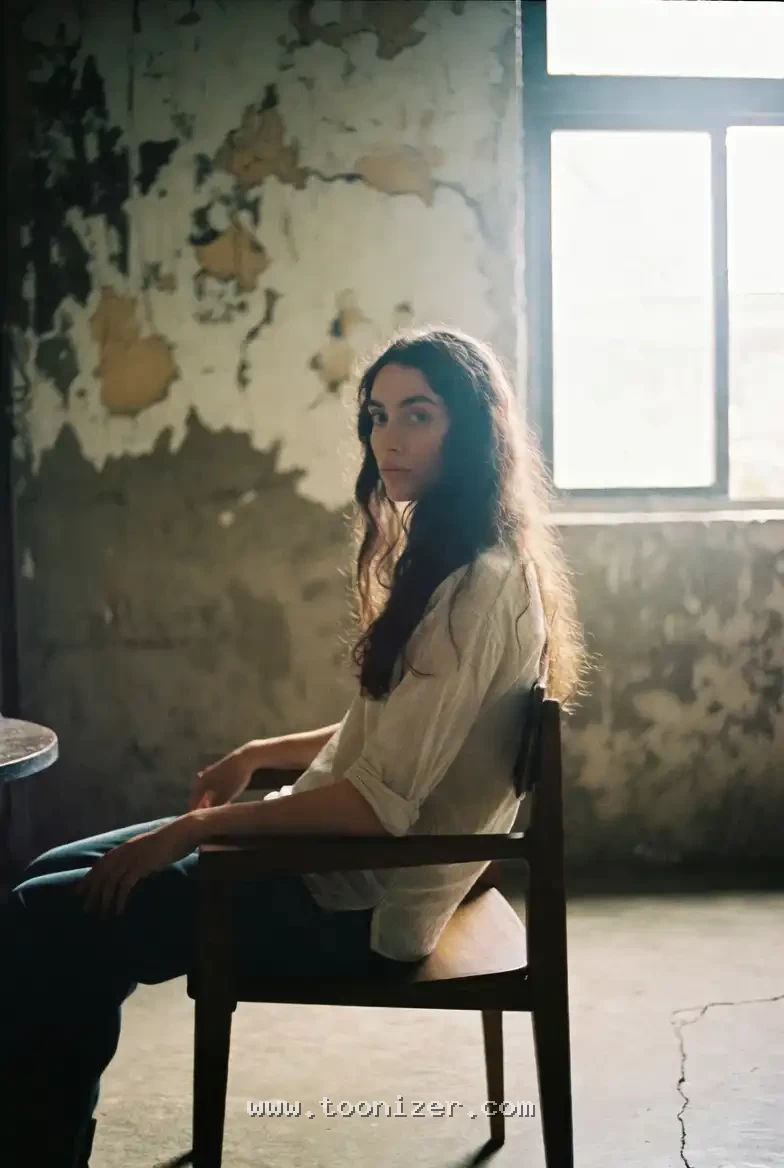
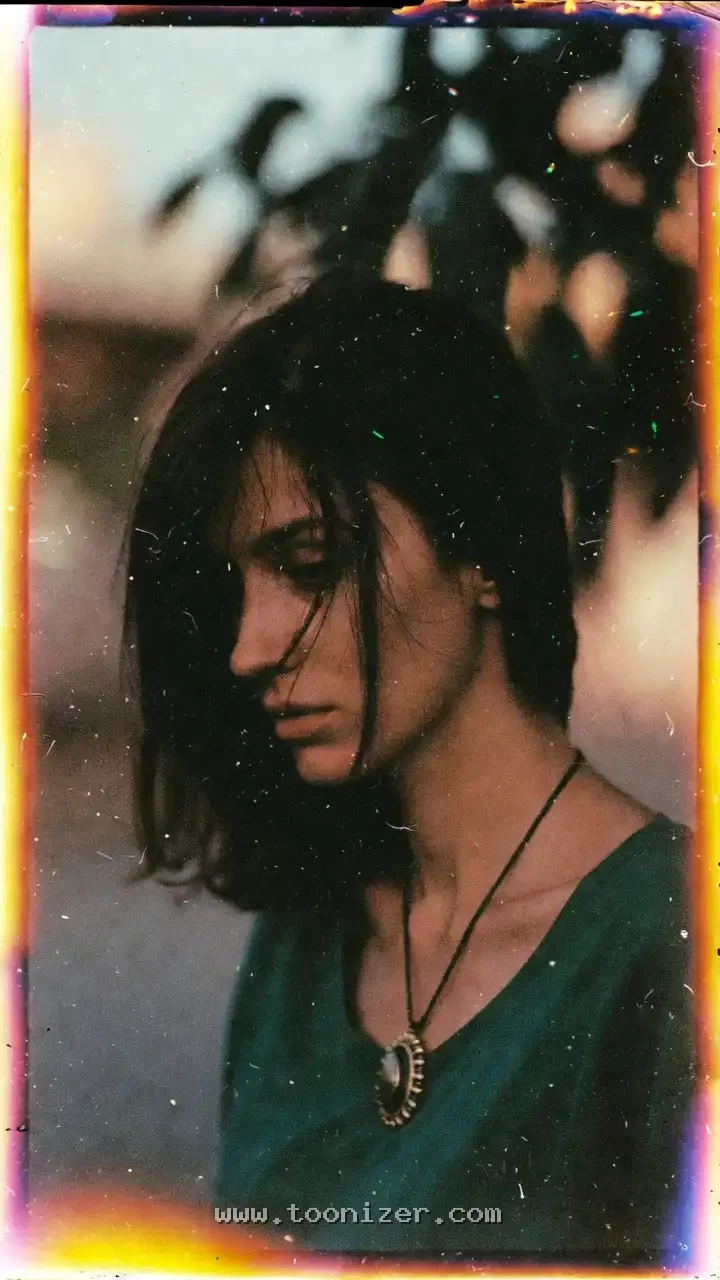
A note on the images: like the other “analog” photos on Toonizer, the pictures in this post were made with AI to show the look. If you want to learn to tell them apart from real film, see how to spot AI vintage photos.
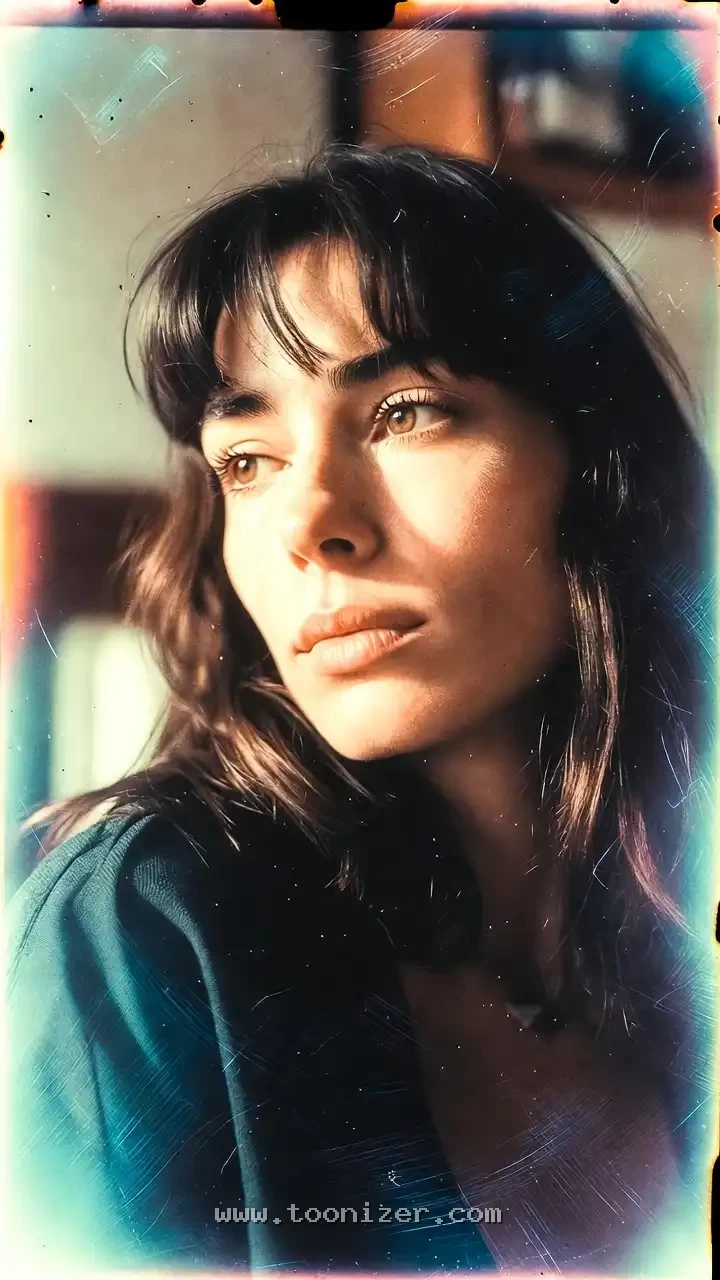
Window Light
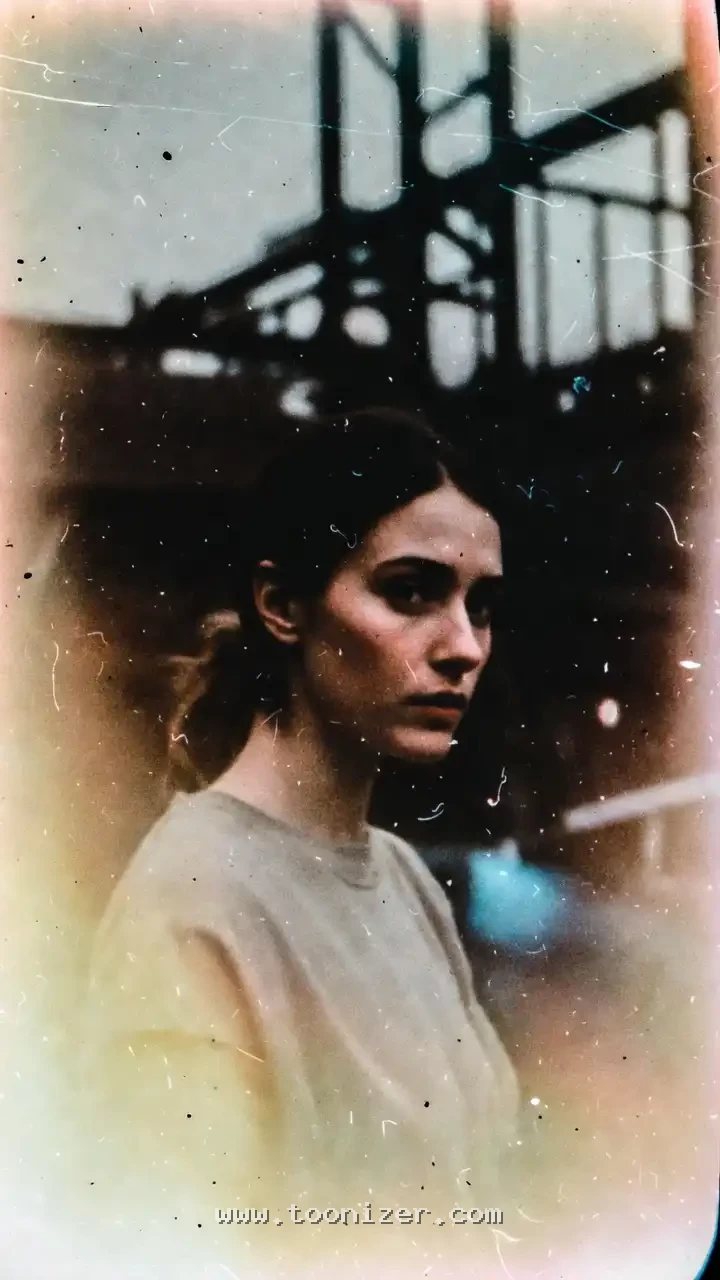
Place the person a step or two from a window and turn their face slightly toward it. The side away from the window falls into shadow, which gives depth and mood. Avoid direct sun; an overcast day or a north-facing window gives the softest light.
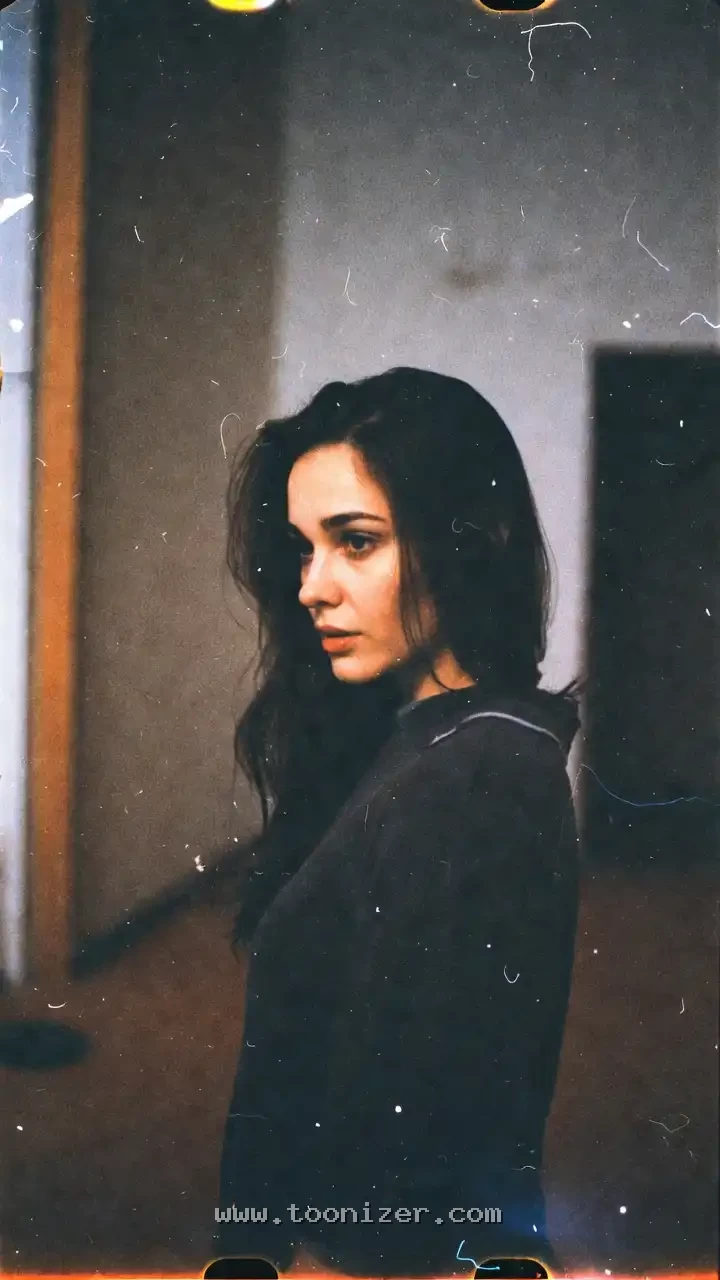
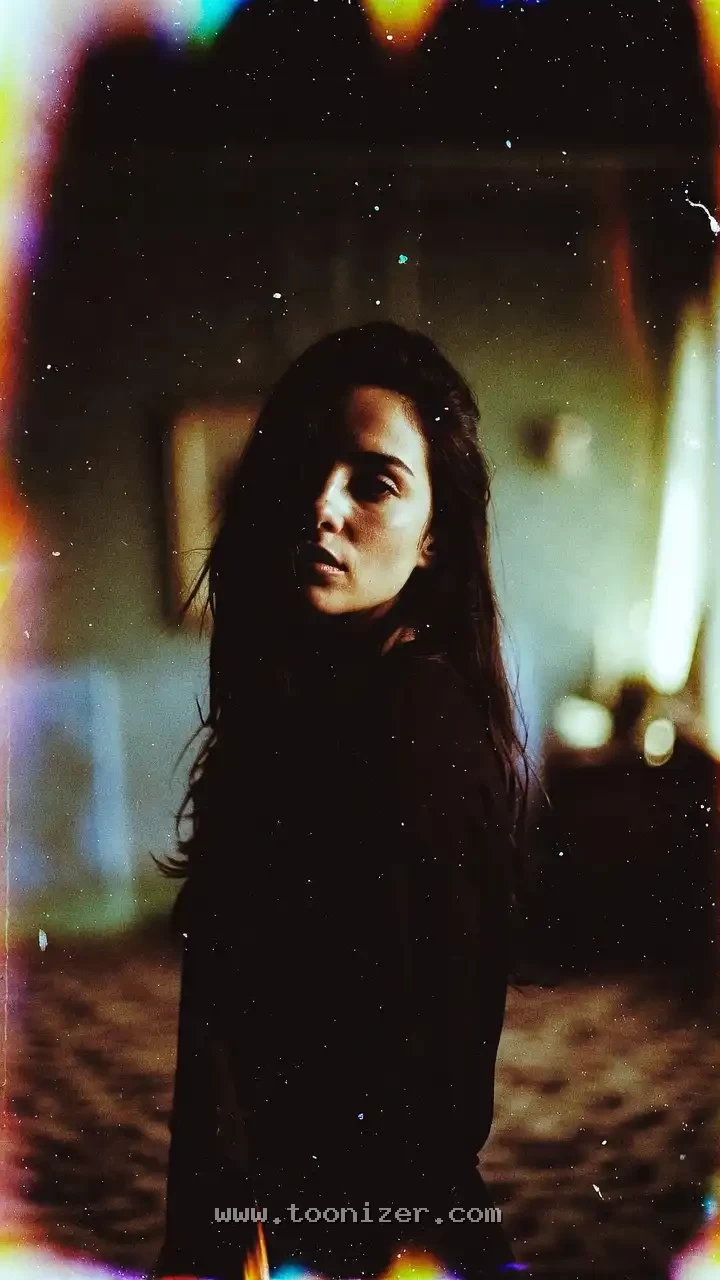
Dark Rooms
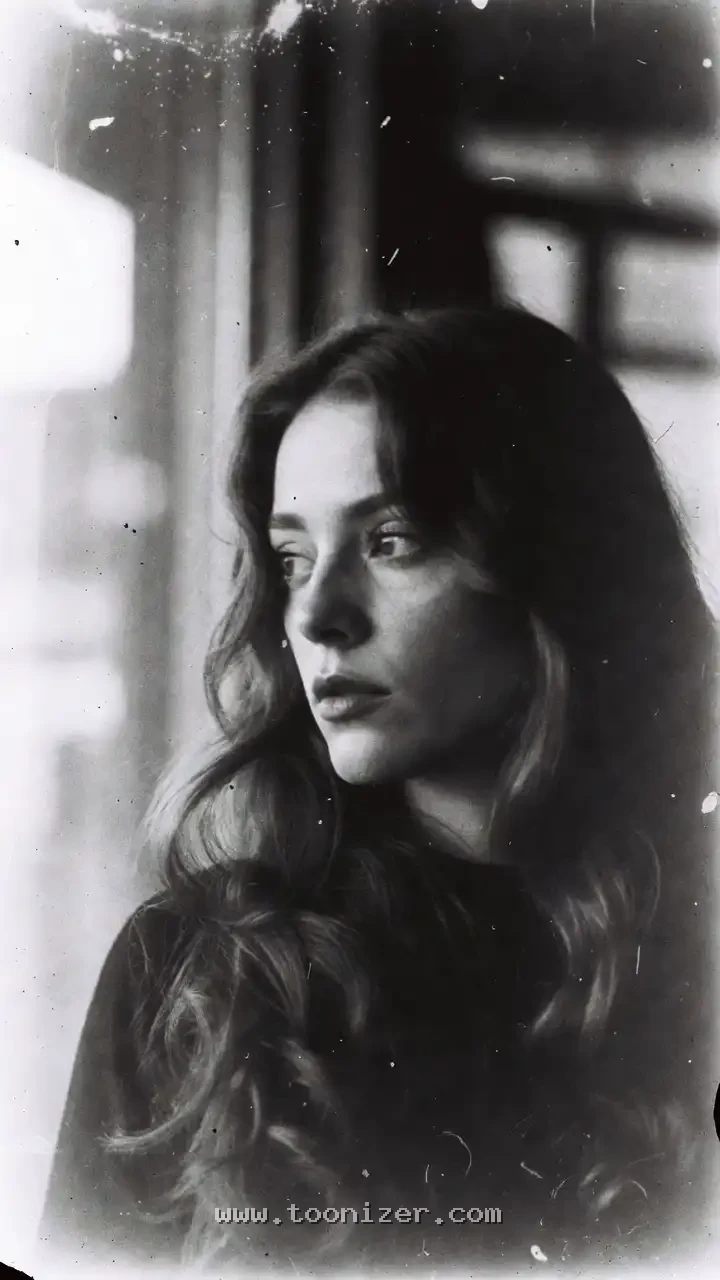
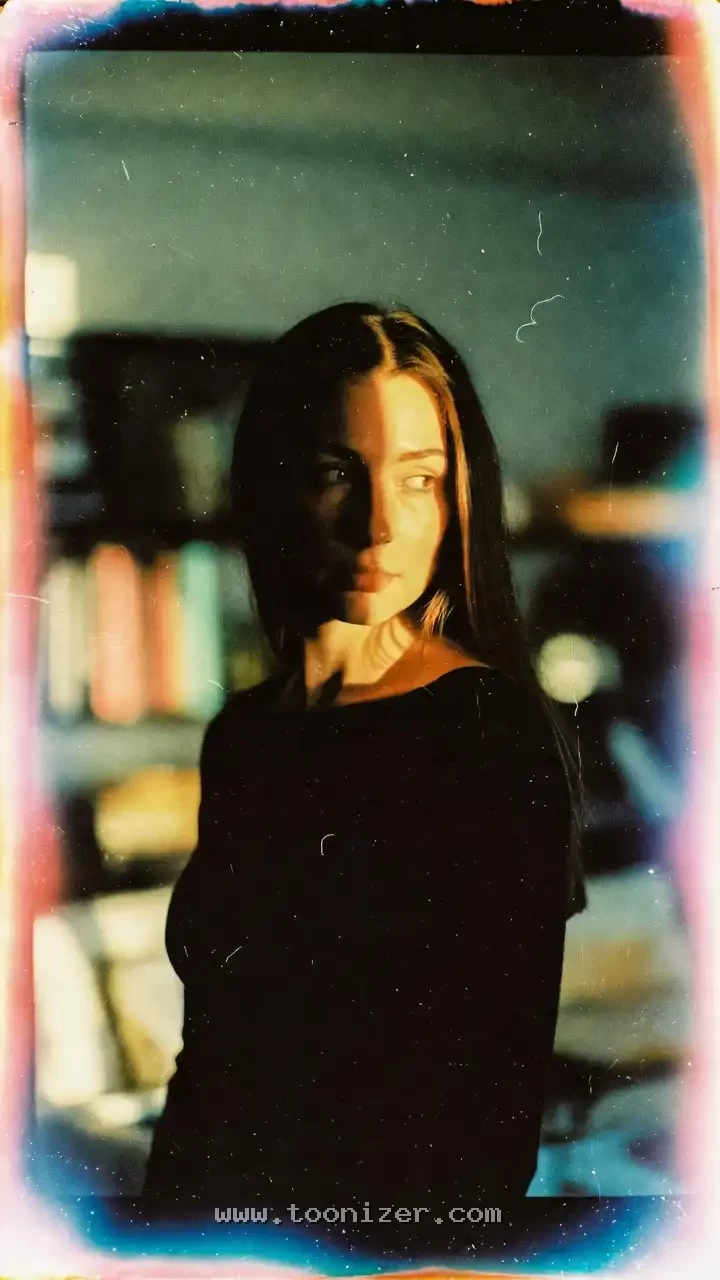
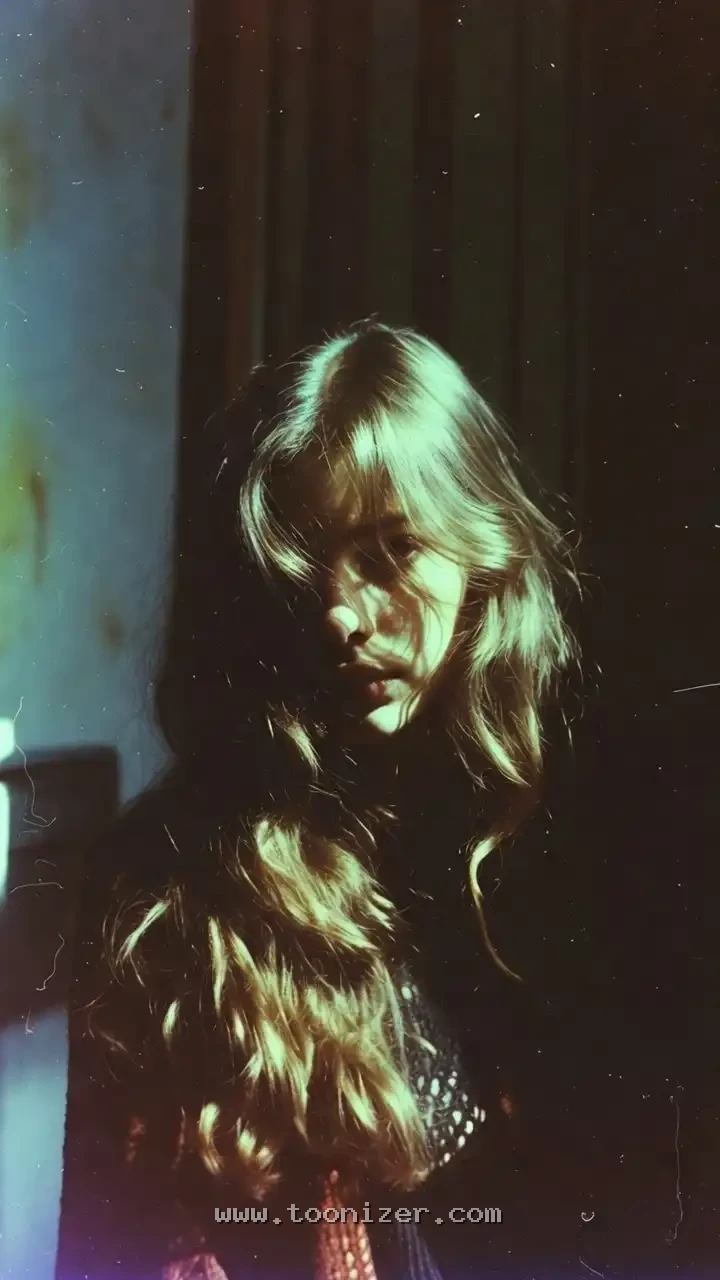
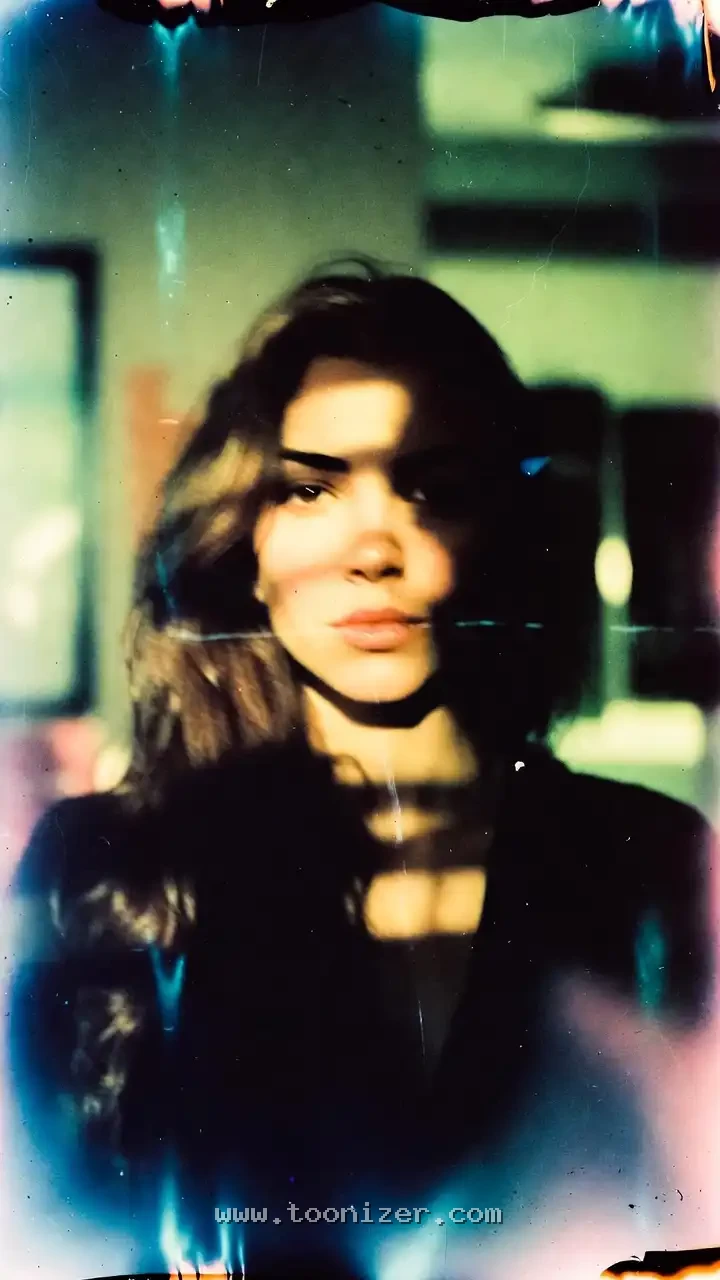
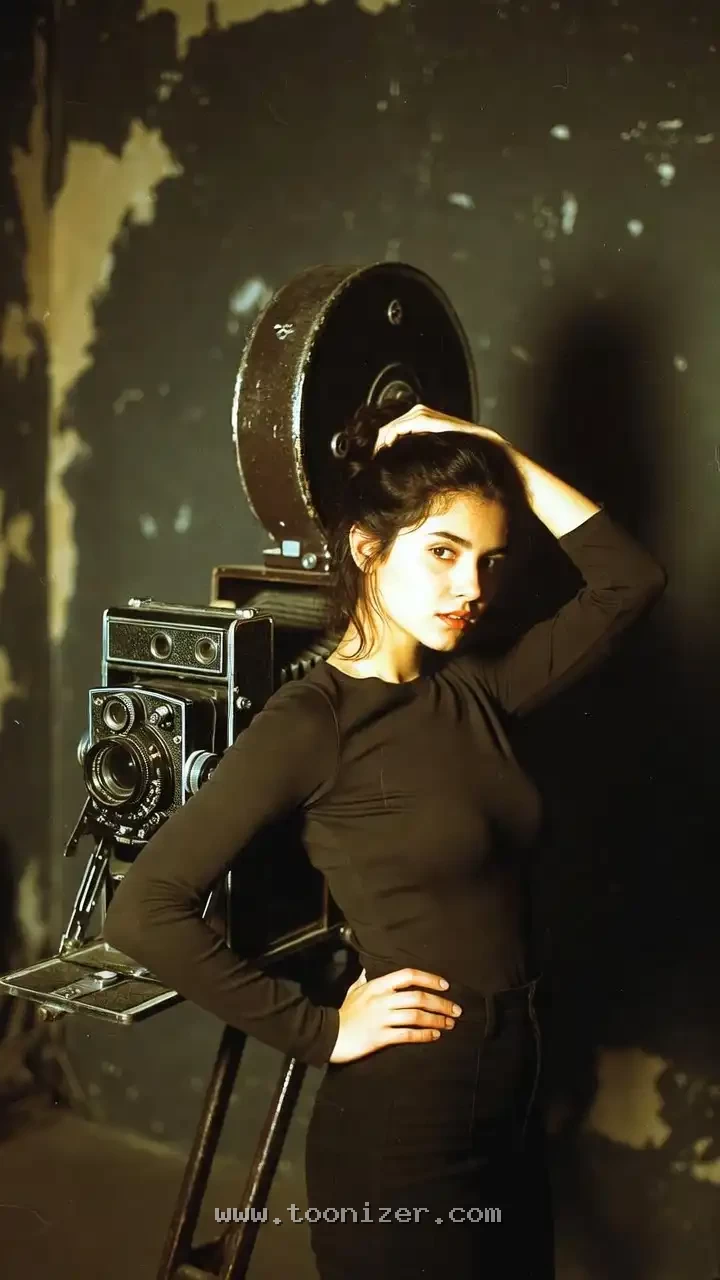
Let most of the frame go dark and keep a little light on the face. Dark clothing helps the face stand out. These portraits work well with heavy grain and a light leak at the edge.
Backlight and Golden Hour
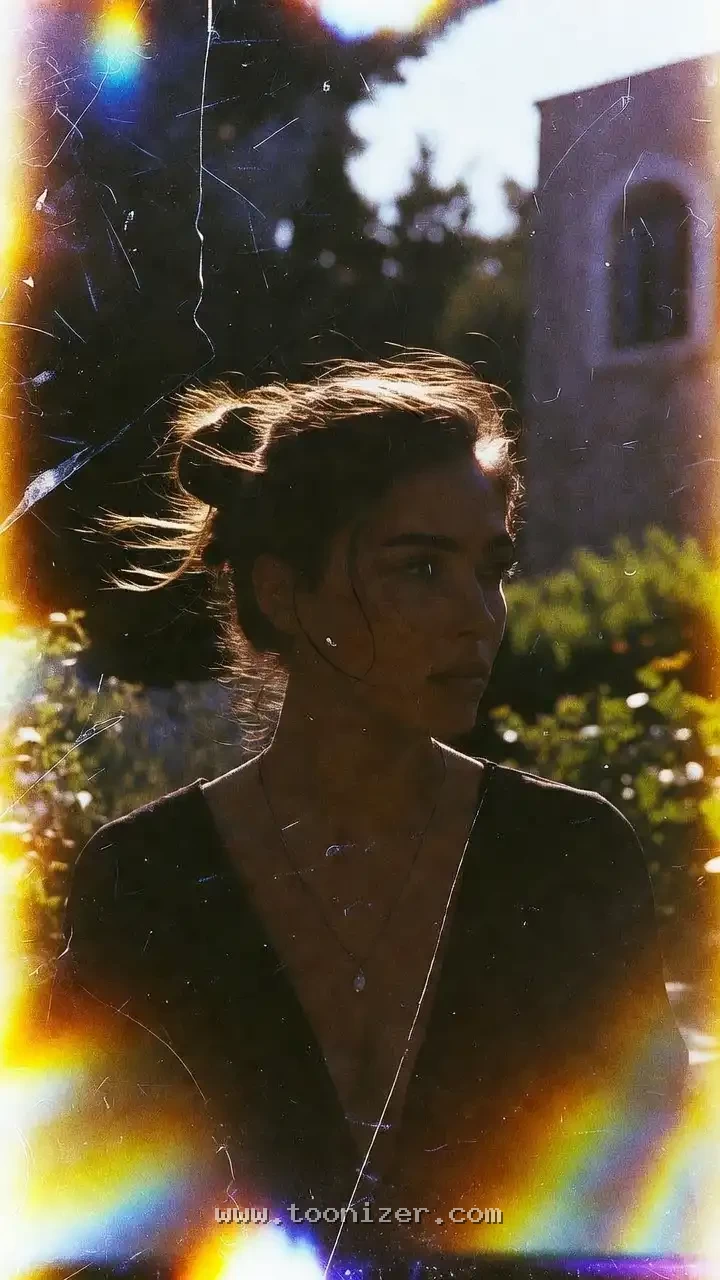
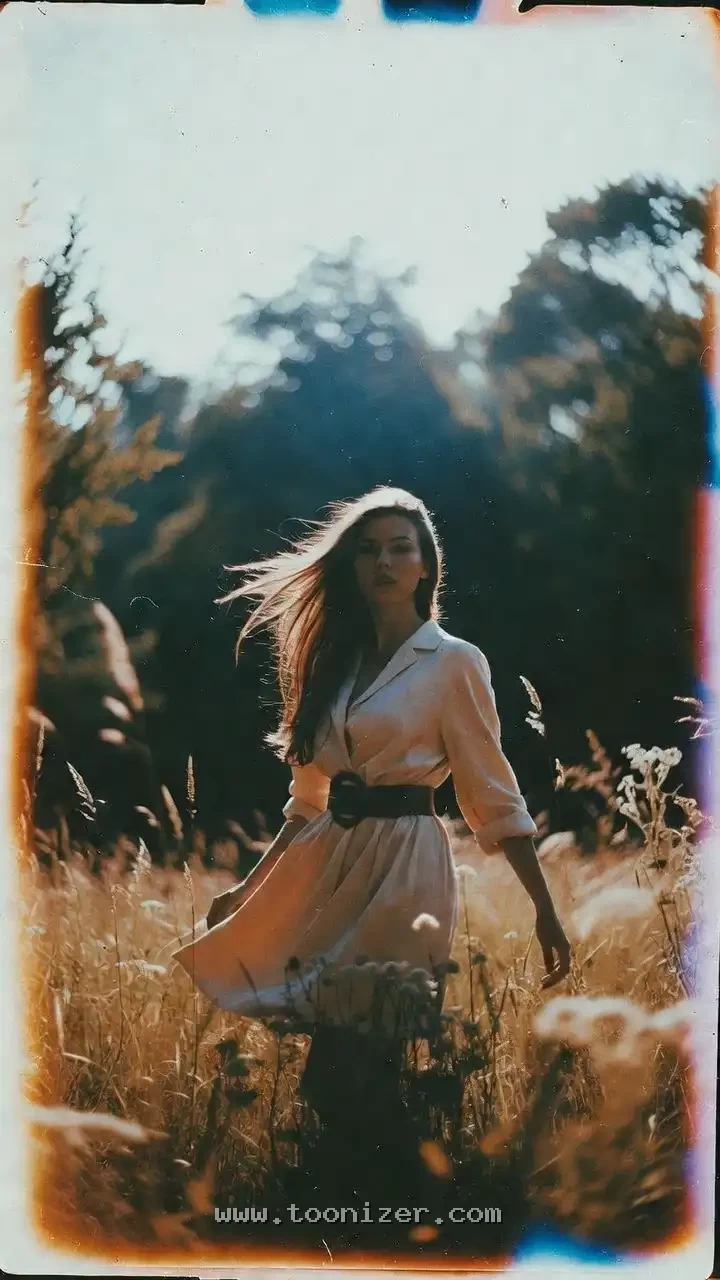
Put the sun behind the person in the last hour of the day. Hair lights up at the edges, the face stays soft and the colors turn warm. Expect flare; on film that is part of the look.
Fields and Open Air
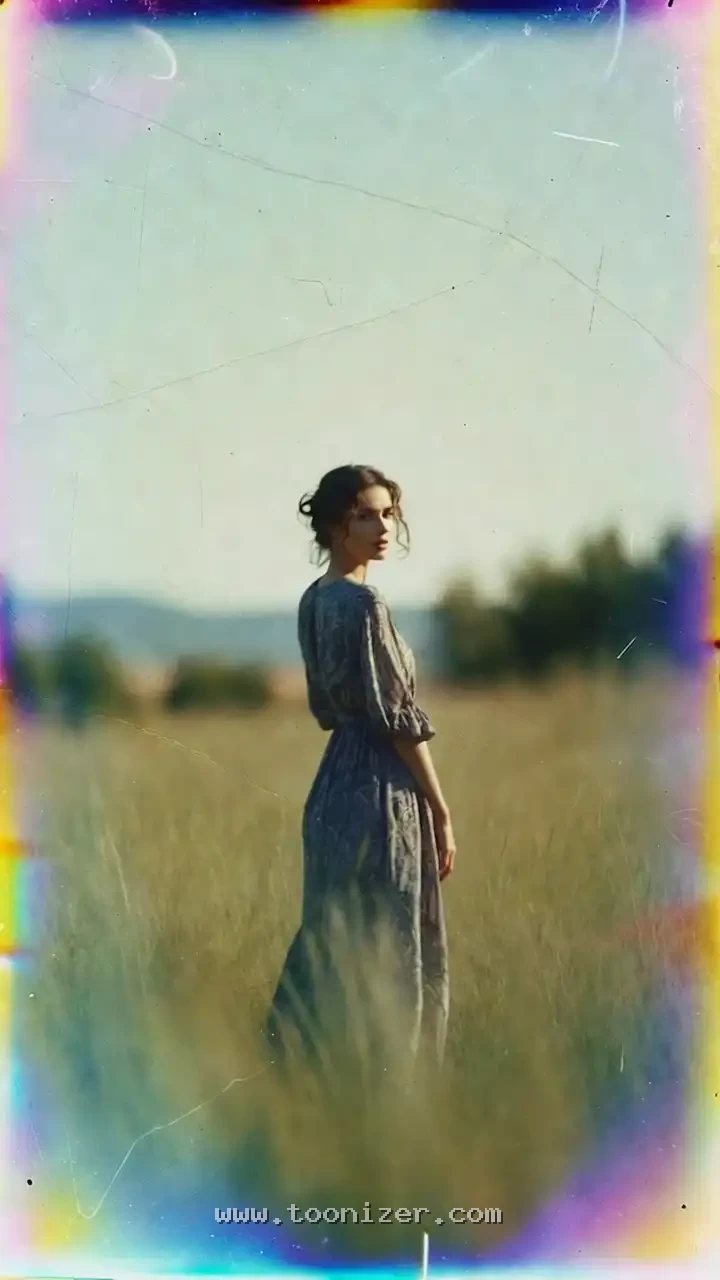
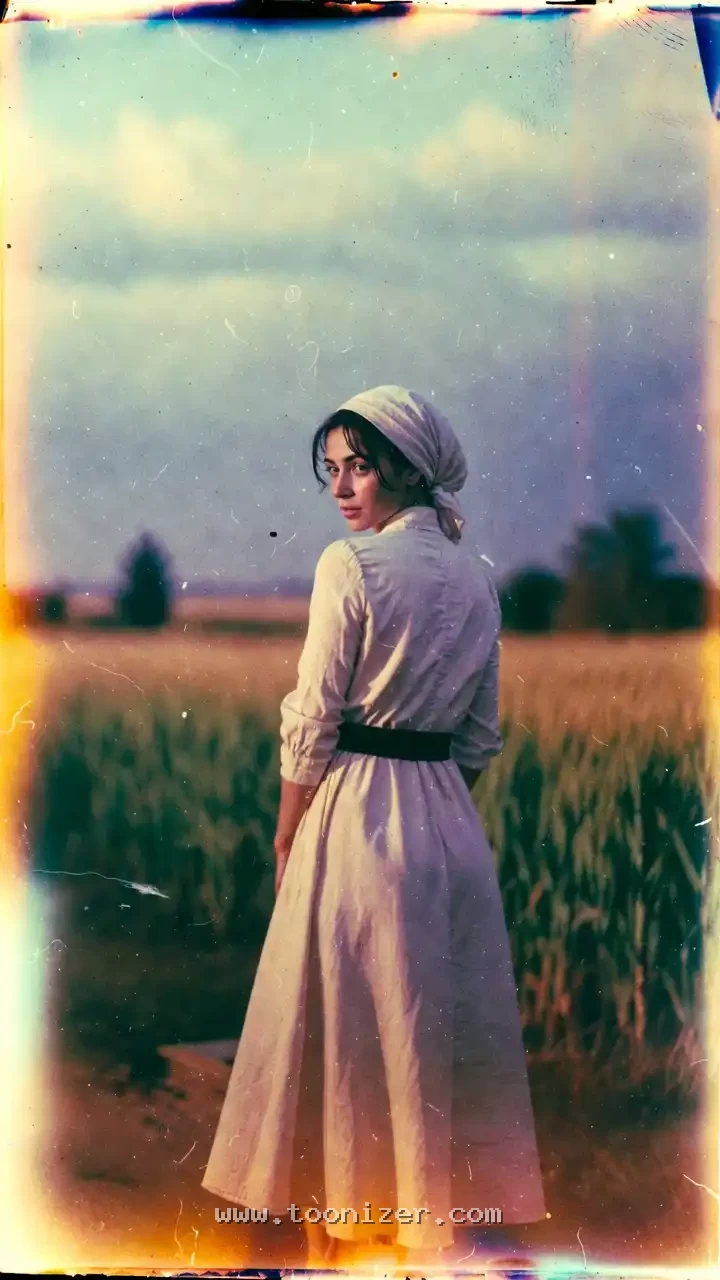
Long dresses, tall grass and wind make movement easy. Ask the person to walk slowly or turn back toward the camera, and shoot a few frames in a row.
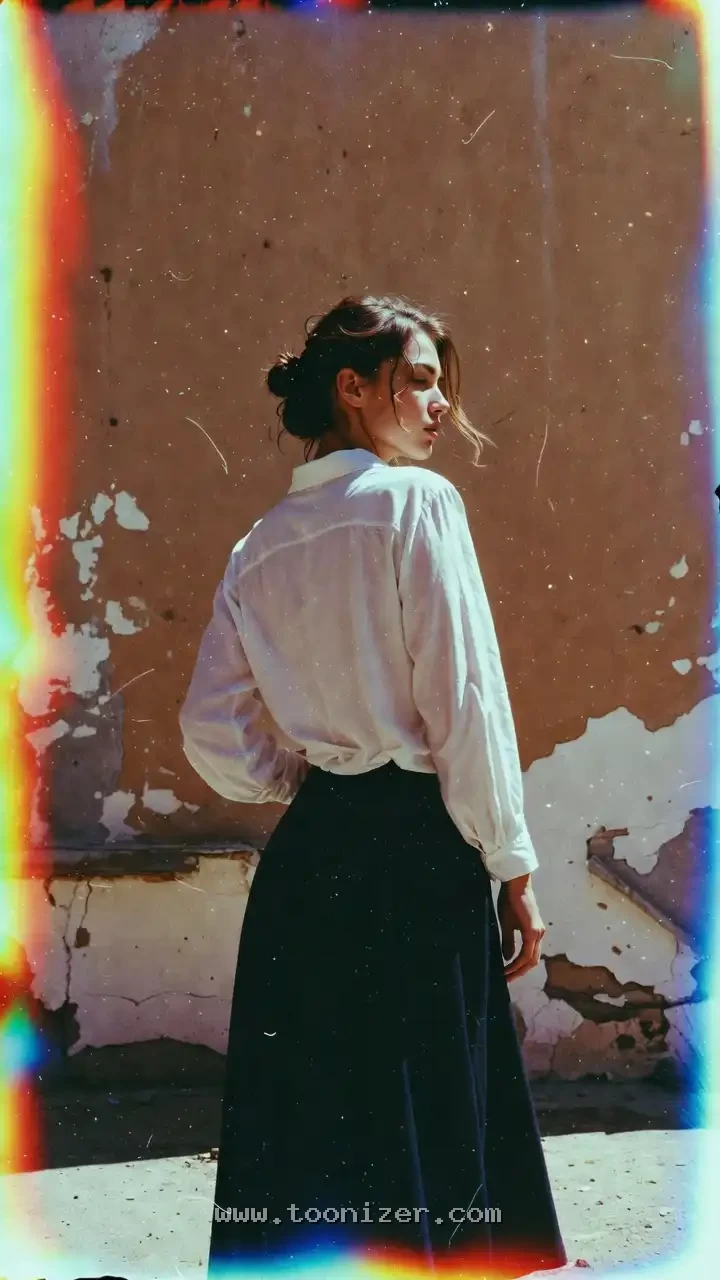
Simple Tips for Moody Portraits
- Use one light source and let the rest fall into shadow.
- Ask for a neutral expression rather than a smile, and look away from the camera now and then.
- Dark or plain clothing keeps attention on the face.
- Expose for the face; it is fine if the background goes black or white.
- In editing, lift the blacks a little, add grain and keep the colors muted.
For close-up portraits with a more experimental feel, see analog close-up portraits. To understand light leaks and scratches, read our film damage guide.
Turn a Portrait Into a Cartoon
Have a portrait you like? Try it with the free Toonizer cartoon generator.
0 Comments