
Most family photos end up in a shoebox, a drawer or a cupboard in the attic. They survive there for a while, but heat, damp and light slowly change them: colors fade, prints curl and stick together, and instant photos crack or stain. You do not need a museum to keep them safe. A few cheap changes to where and how they are stored make a real difference.

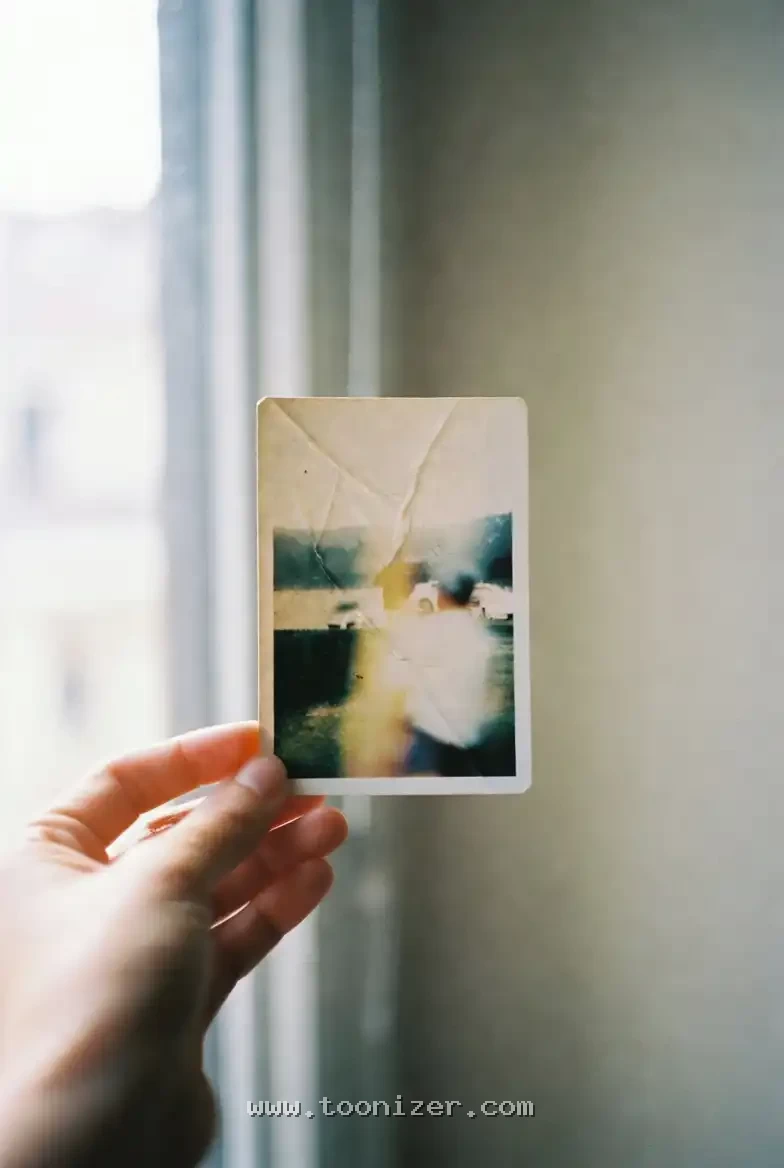
A note on the images: like the other “analog” photos on Toonizer, the pictures in this post were made with AI to show the look. If you want to learn to tell them apart from real film, see how to spot AI vintage photos.
What Damages Old Photos
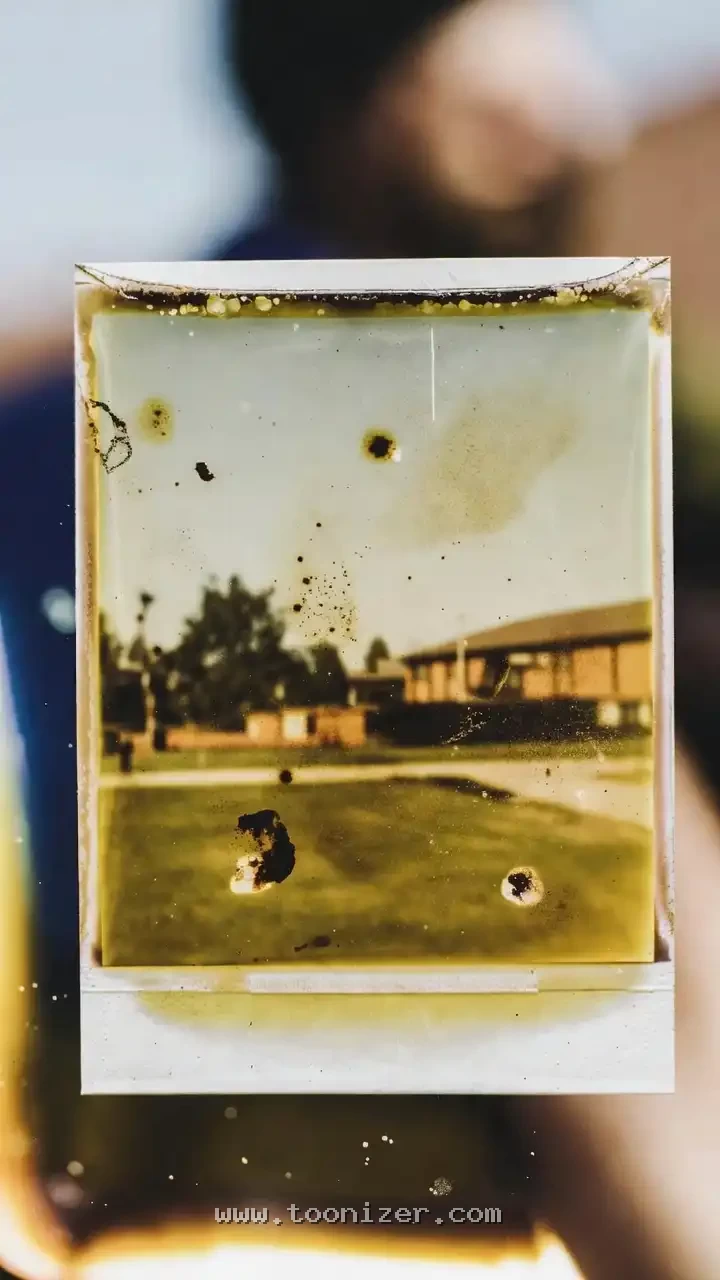
Archives and conservators point to the same few causes again and again. High temperature and humidity speed up the chemical changes that fade colors and tarnish black-and-white images. Very dry air makes emulsions brittle and prone to cracking. Large swings between hot and cold, damp and dry, are worse than any single condition. Light, especially sunlight, bleaches prints over time. Acidic paper and cheap plastics give off chemicals that slowly attack the image.
Where to Keep Them
Pick a room in the main part of the house, where temperature and humidity stay fairly steady through the year. A cupboard in a bedroom or hallway is usually better than an attic, basement or garage, which get too hot, too cold or too damp and are more likely to flood. Keep photos away from radiators, outside walls, windows and direct sun, and away from food and water.
What to Put Them In
- Sleeves: clear polyester or polypropylene sleeves, or acid-free paper envelopes. Avoid PVC, which can give off damaging gases.
- Boxes: acid-free archival boxes rather than shoeboxes or wooden drawers.
- Albums: albums with archival pages and photo corners. Avoid magnetic or self-adhesive albums; the glue can stain and bond to prints.
- Negatives: store them separately from prints, in negative sleeves, inside a box.
- Damp climates: paper envelopes are safer than plastic, since prints can stick to plastic when humidity is high.
Polaroids and Other Instant Photos
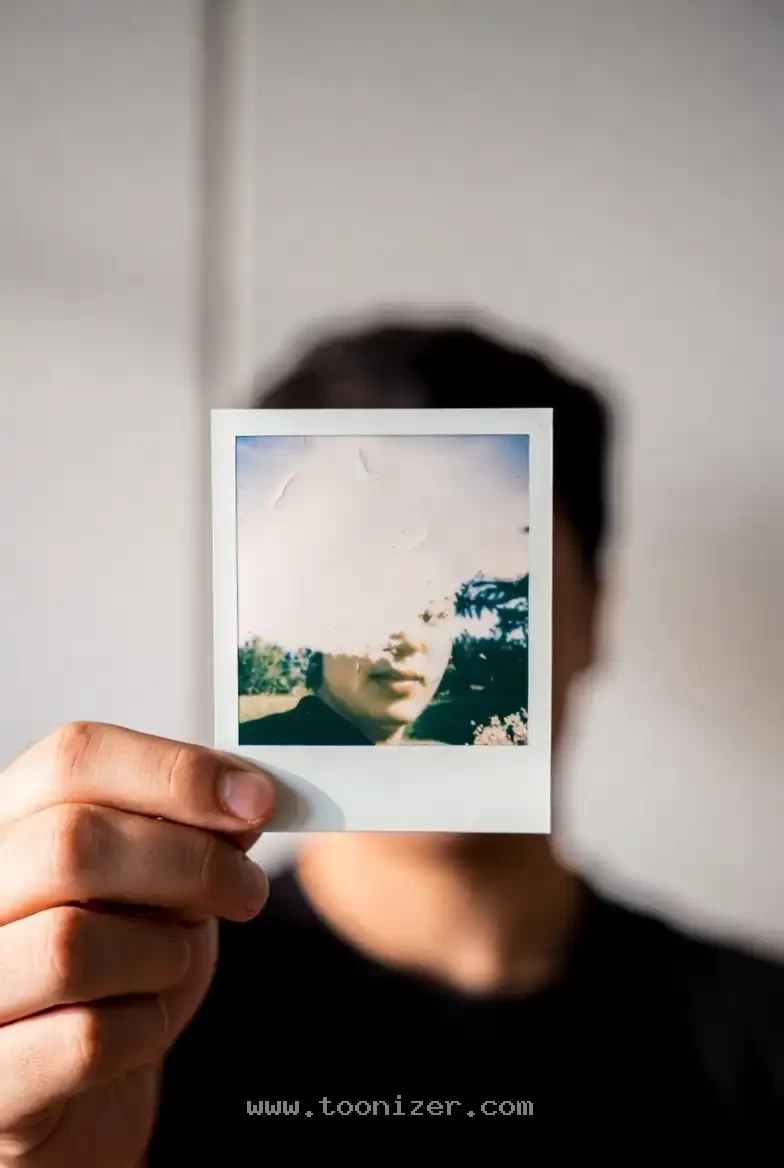
Instant photos need a little extra care because the image and the chemistry are sealed inside the same frame. Do not cut, trim or punch the white border; on many types of instant film it holds the chemicals that formed the picture. Keep them flat, out of sunlight and out of heat, such as a car or a sunny windowsill. Store them in their own sleeves rather than stacked face to face.
Handling Old Prints
- Hold prints by the edges, with clean, dry hands or thin nitrile gloves.
- Do not write on the back with a ballpoint pen; a soft pencil is safer.
- Do not use tape, glue or paper clips.
- Never laminate an original print. It cannot be undone.
- Scan your favorites and keep the files in two places, so the original can stay in its box.
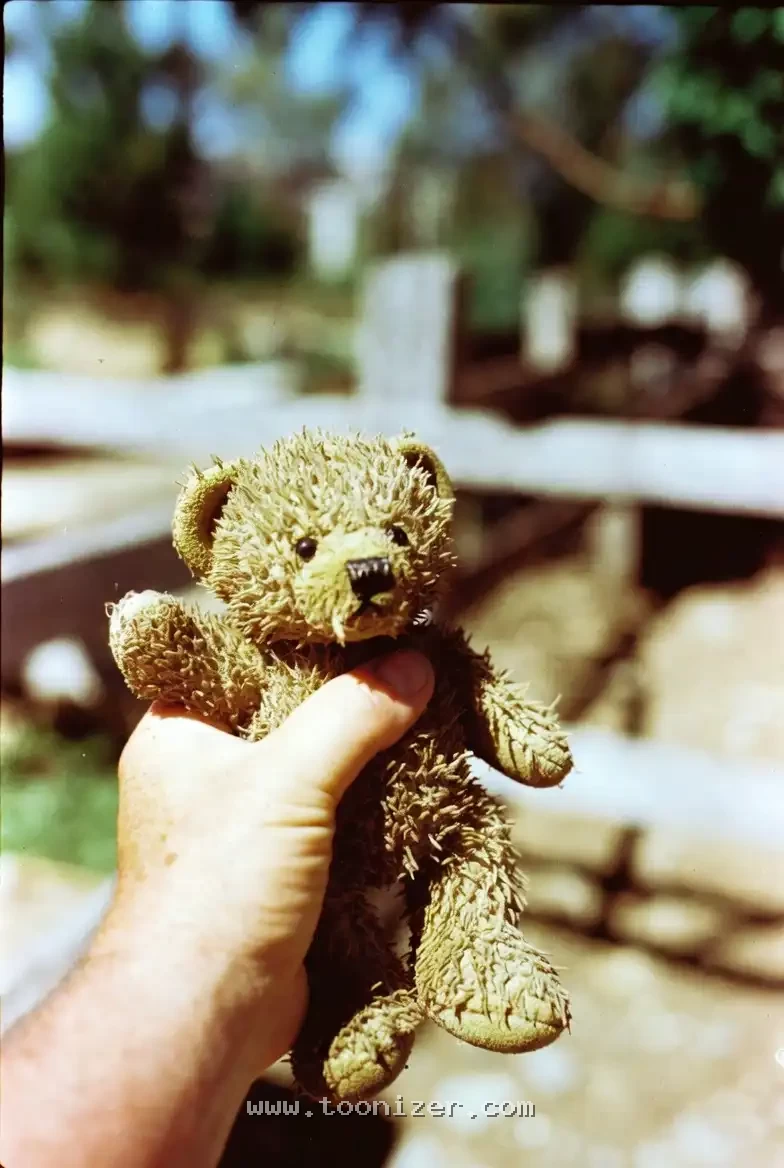
If you are curious about why old photos look the way they do, our guide to film damage explains light leaks, stains and faded color.
Give an Old Photo a New Life
Once a photo is scanned, you can also turn it into a cartoon portrait, which makes a nice small gift for a family member. Try it with the free Toonizer cartoon generator.
0 Comments