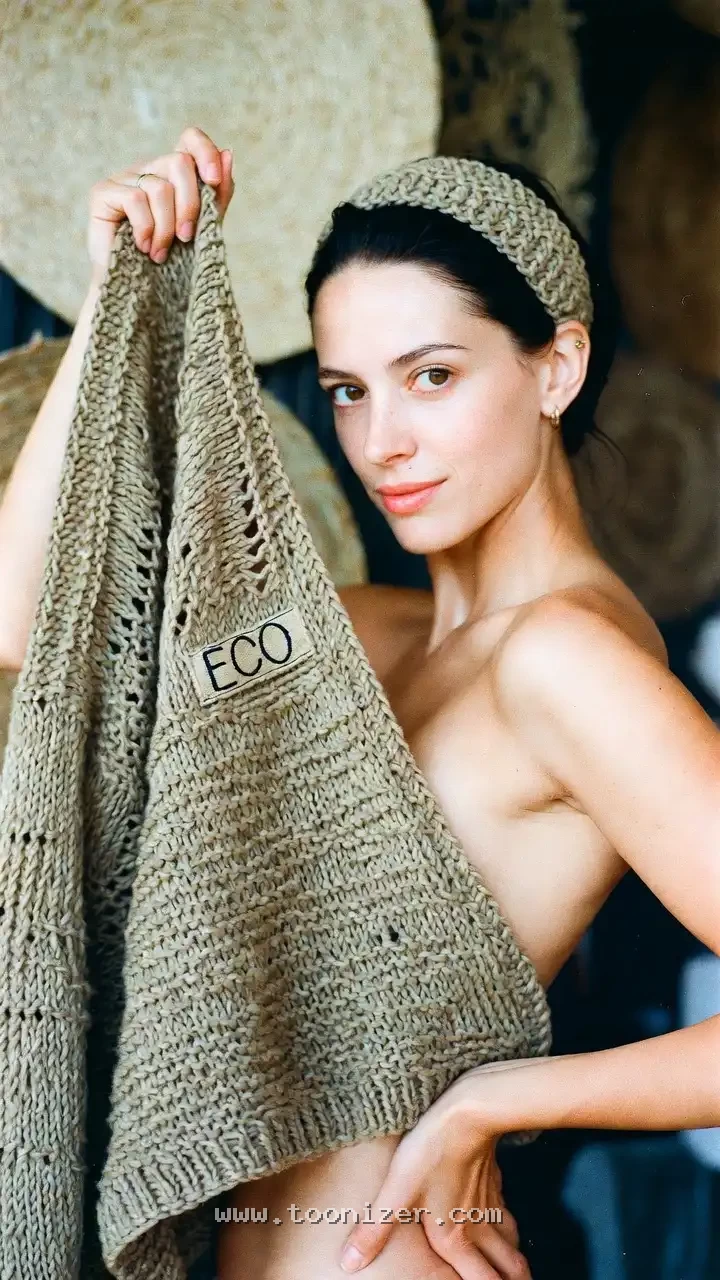
Knitting your own clothes is slower than buying them, and that is part of the point: you choose the yarn, the colour and the fit, and you end up with something that lasts. This post gathers 21 knitted clothing ideas, from a chunky sweater for a first project to lace tops, cable vests and full knitted sets, with notes on stitches, yarn and difficulty.
A note on the images: like the other photo galleries on Toonizer, the pictures in this post were made with AI to show the look and the techniques. If you want to learn to tell them apart from real photos, see how to spot AI vintage photos.
Chunky knit sweaters: the best first garment
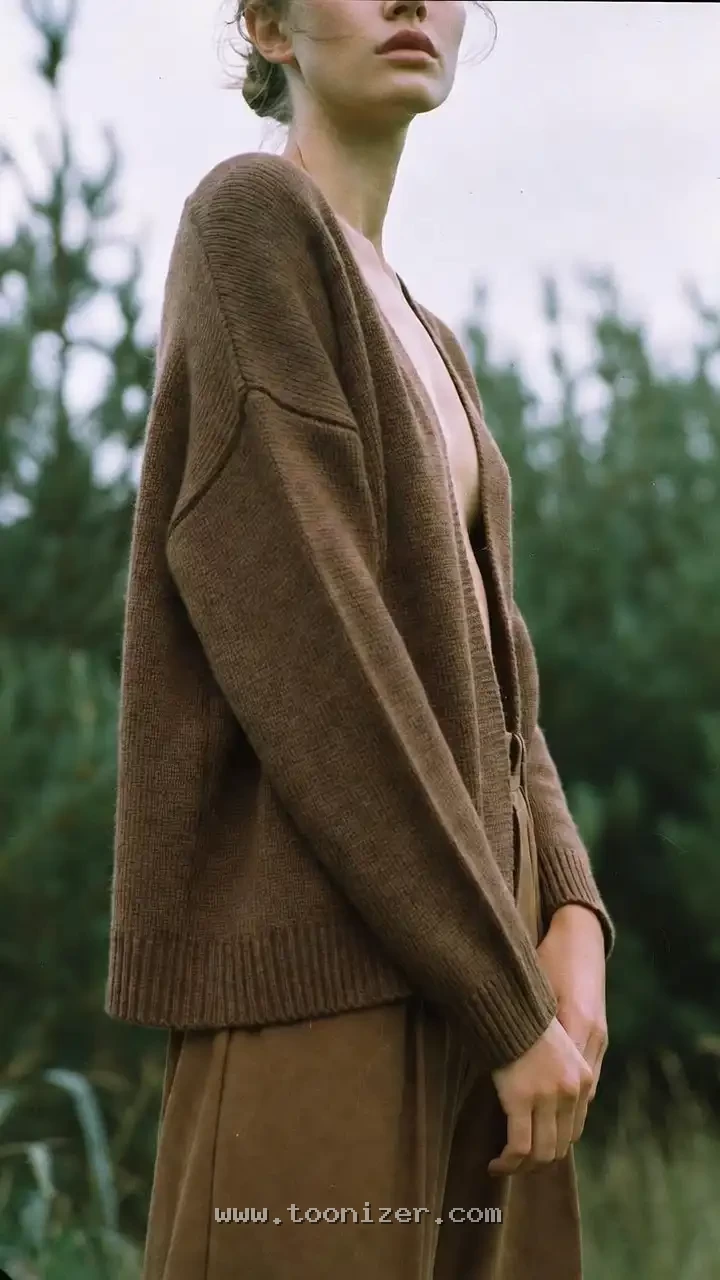
A chunky sweater knits up quickly on large needles (8 mm to 12 mm) and hides small mistakes. Most patterns are just four rectangles: a front, a back and two sleeves, sewn together. Drop-shoulder shapes like the ones below need no shaping at the armhole, which makes them the usual first sweater for new knitters.
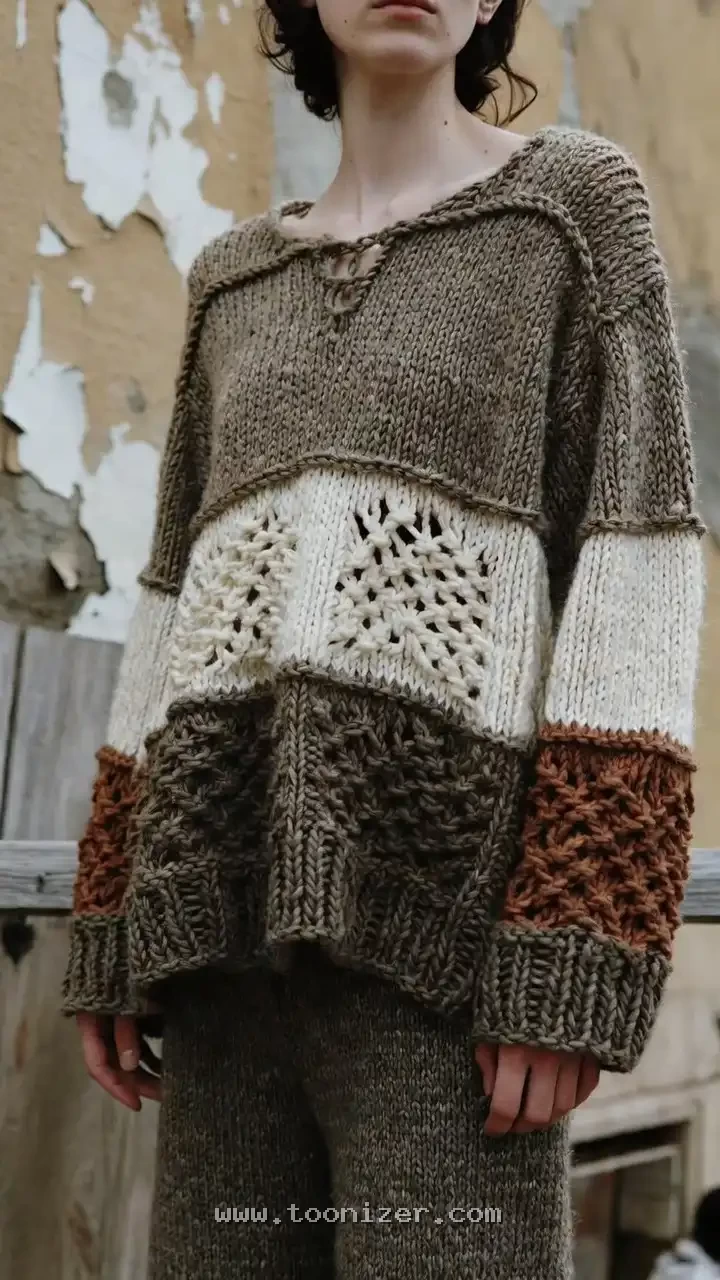
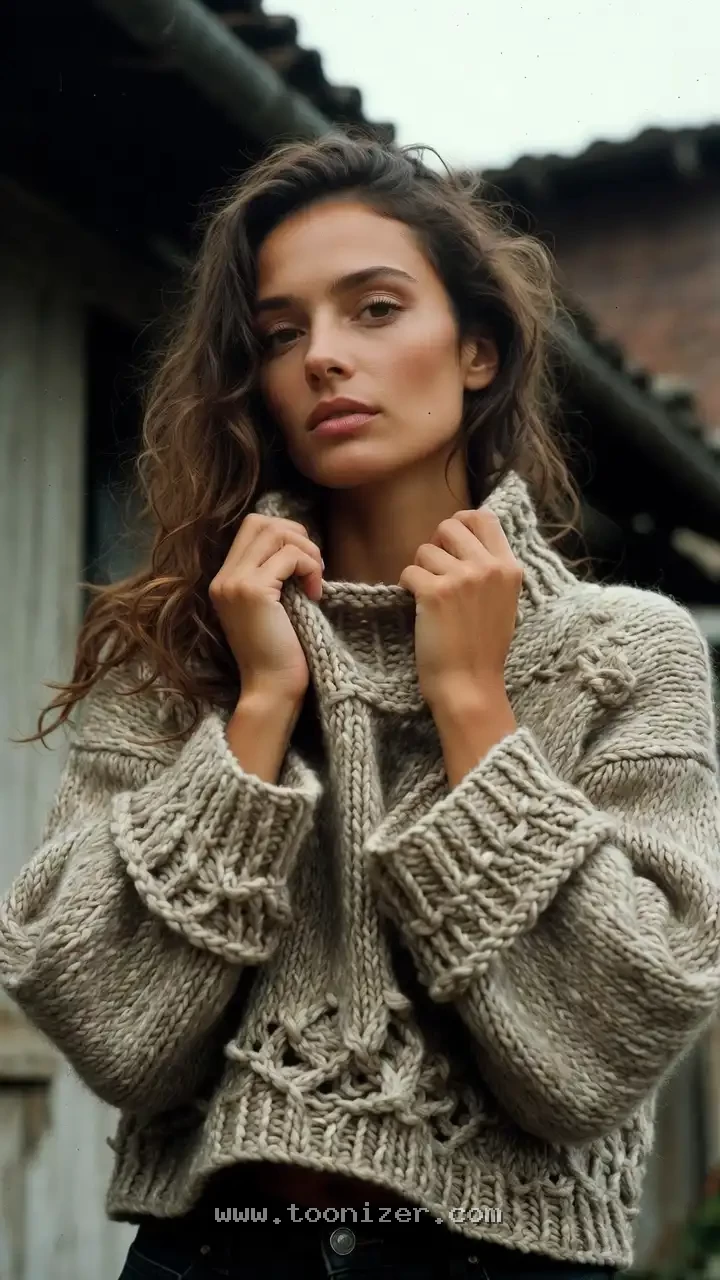
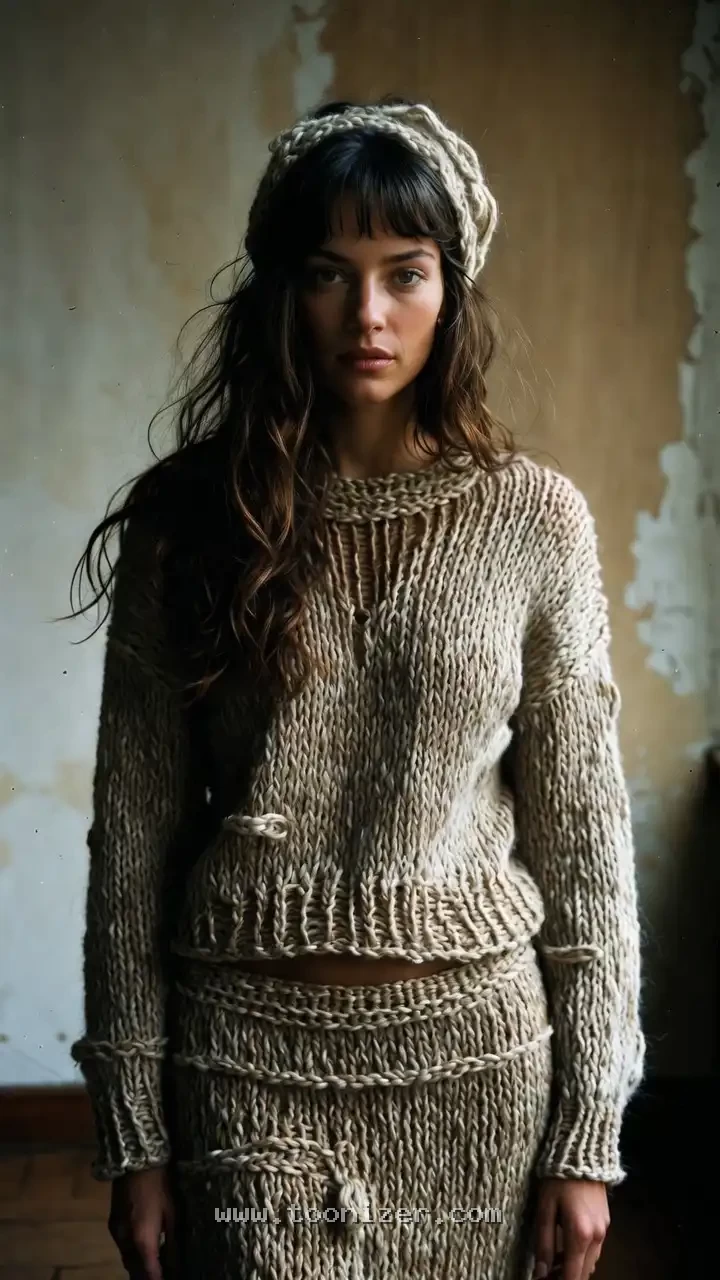
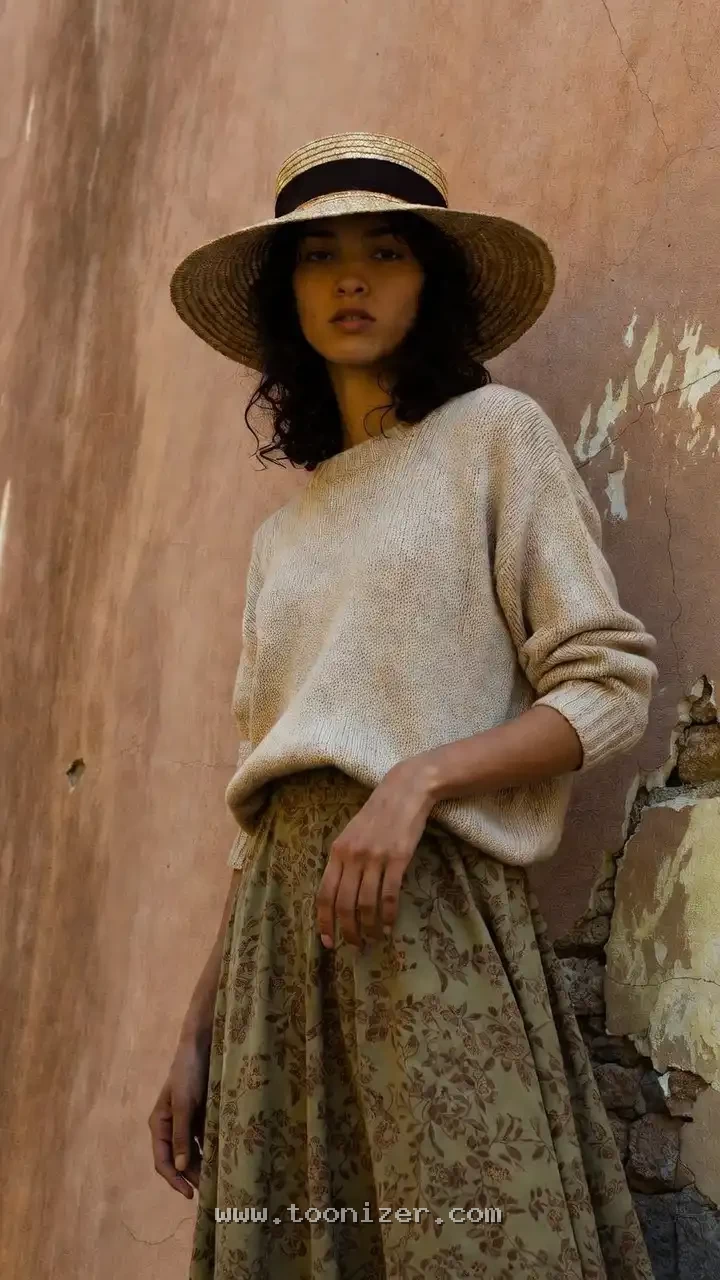
- Yarn: bulky or super bulky wool, or a wool and alpaca blend. About 800 to 1,200 g for an adult sweater.
- Stitches: knit and purl only. Stockinette for the body, 2×2 rib for cuffs and hem.
- Time: one to two weekends for most people.
Colour blocking and stripes
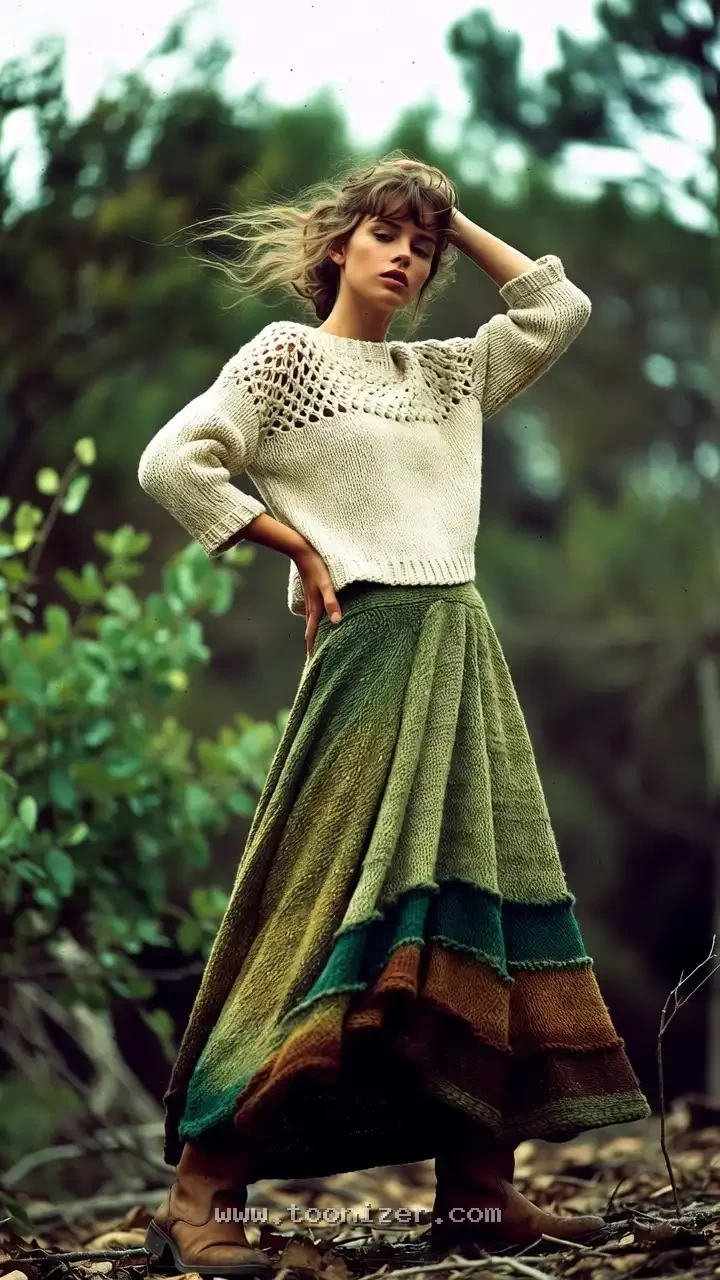
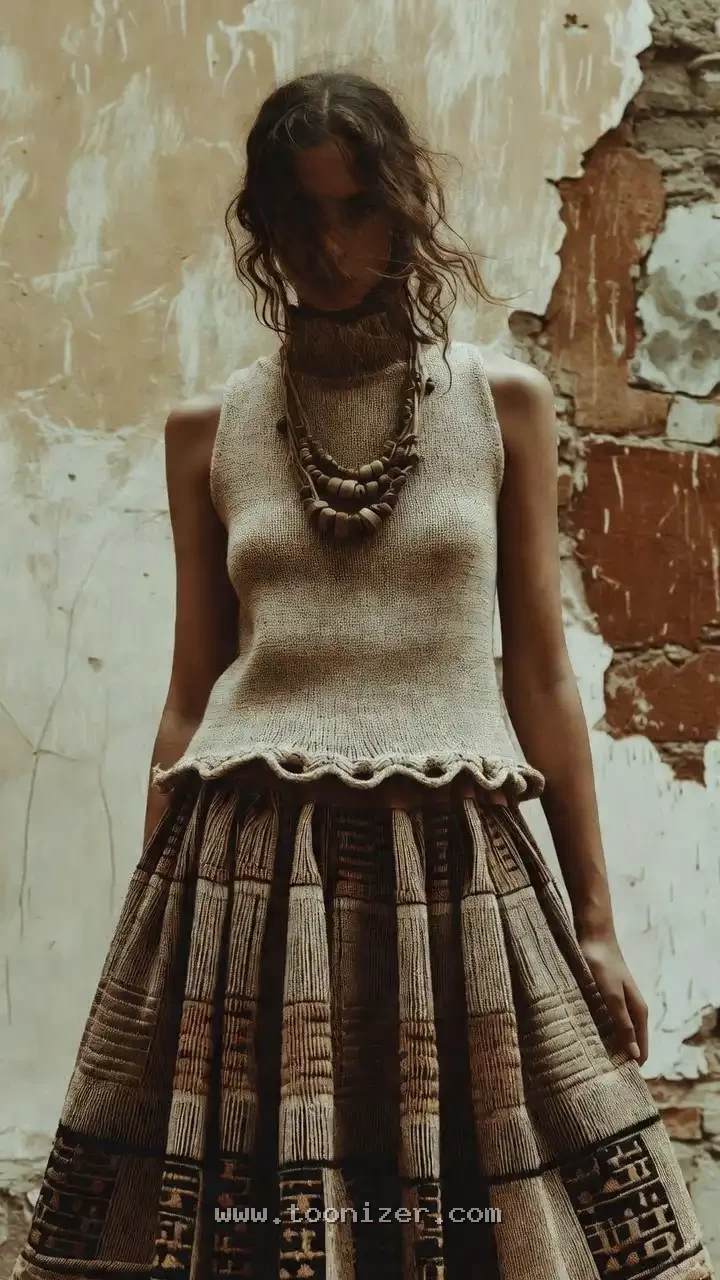
Changing colour every few rows uses up leftover yarn and turns a plain sweater into a statement piece. The skirt below fades from moss green to teal and rust in wide stripes, a good way to use small balls of yarn left from earlier projects.
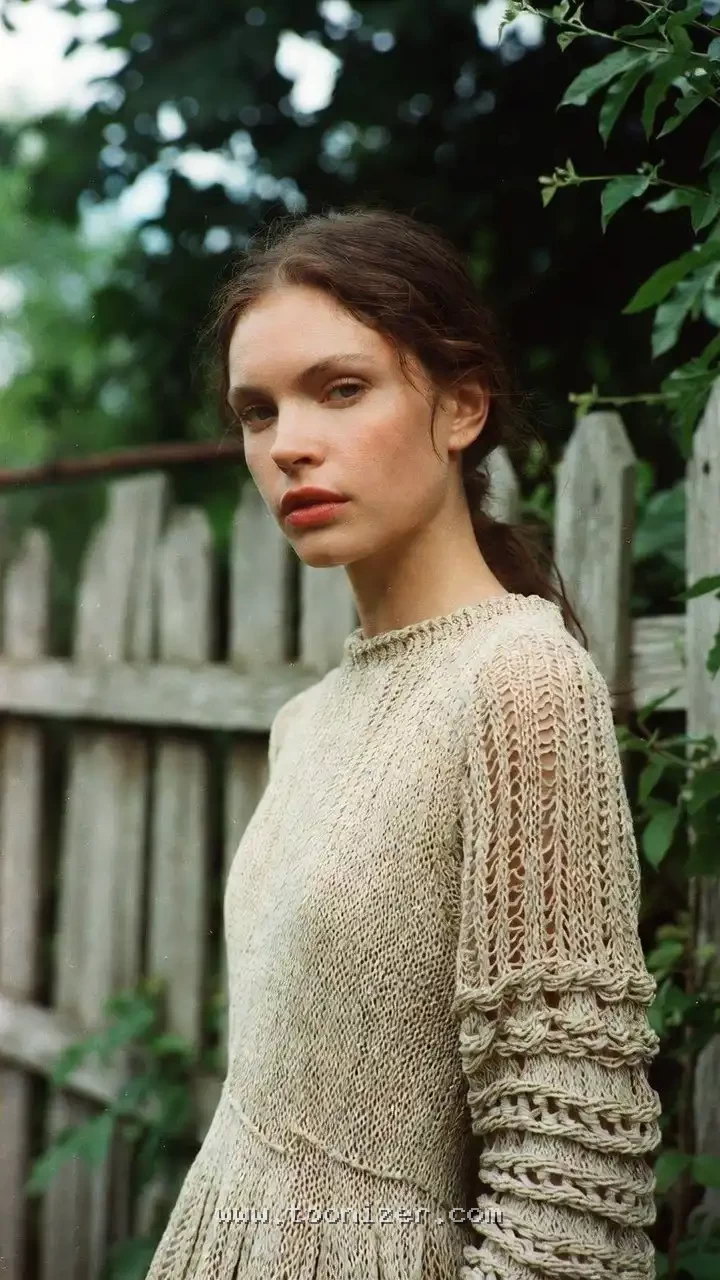
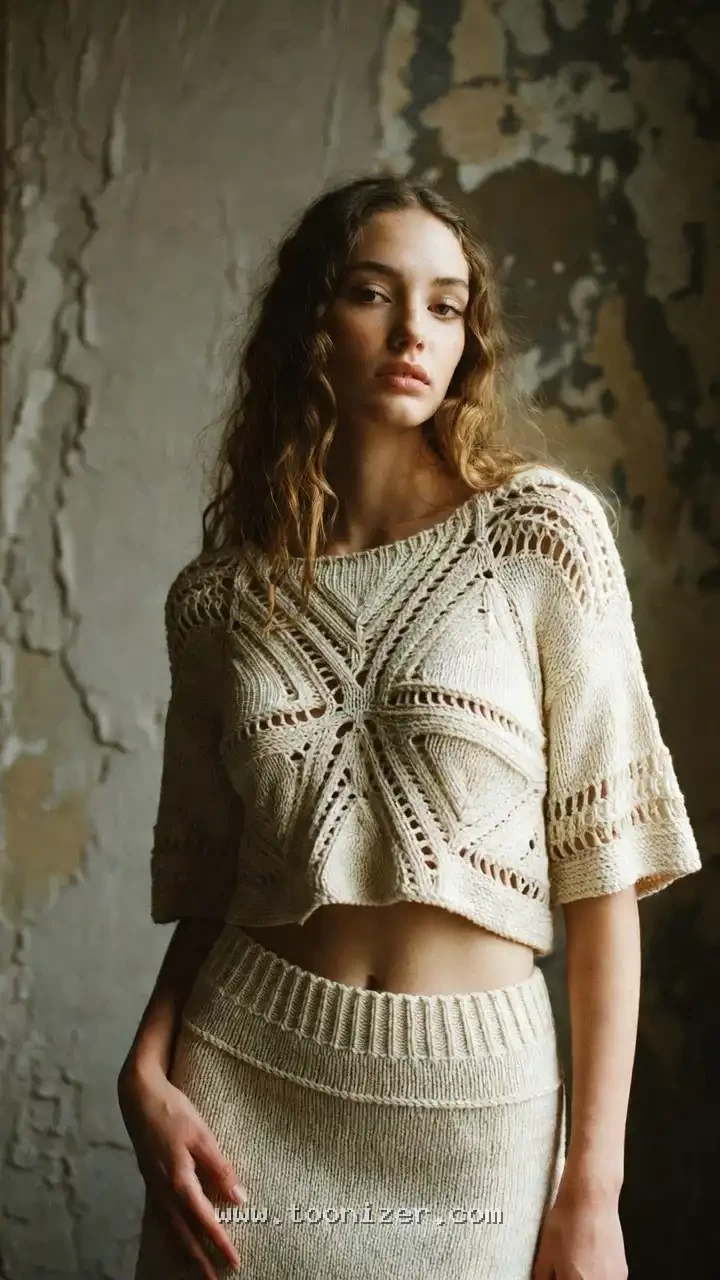
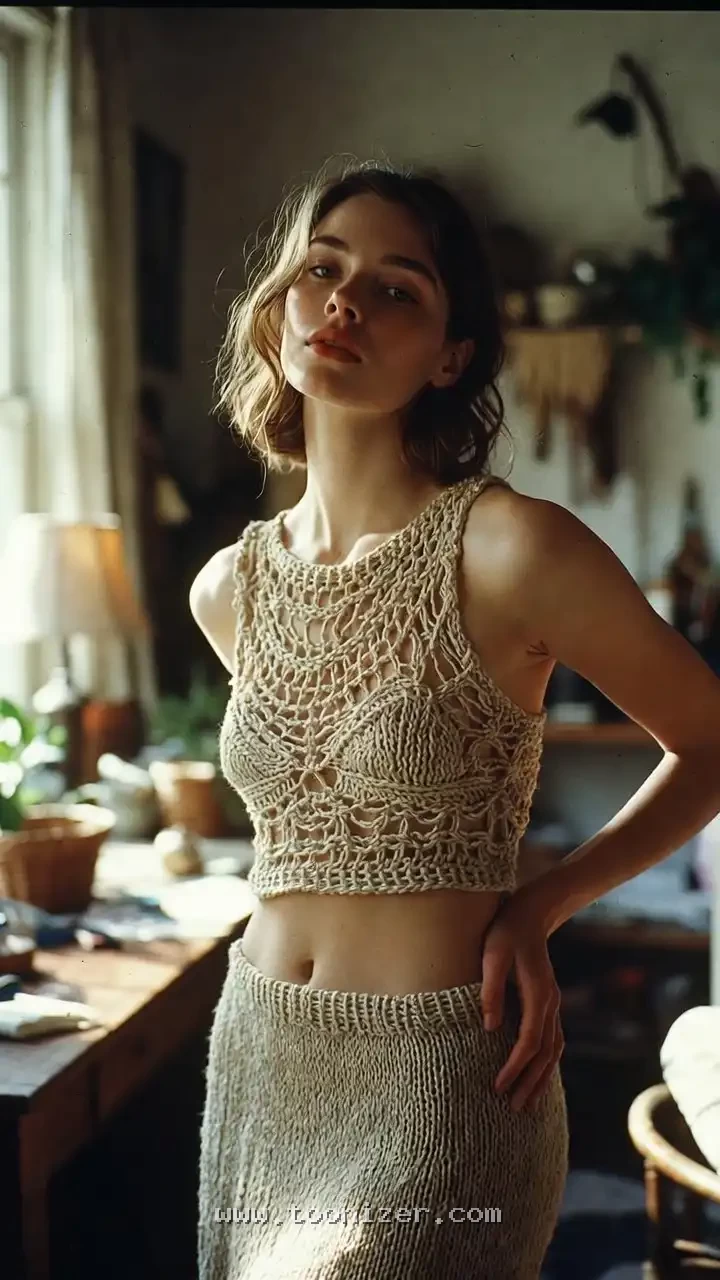
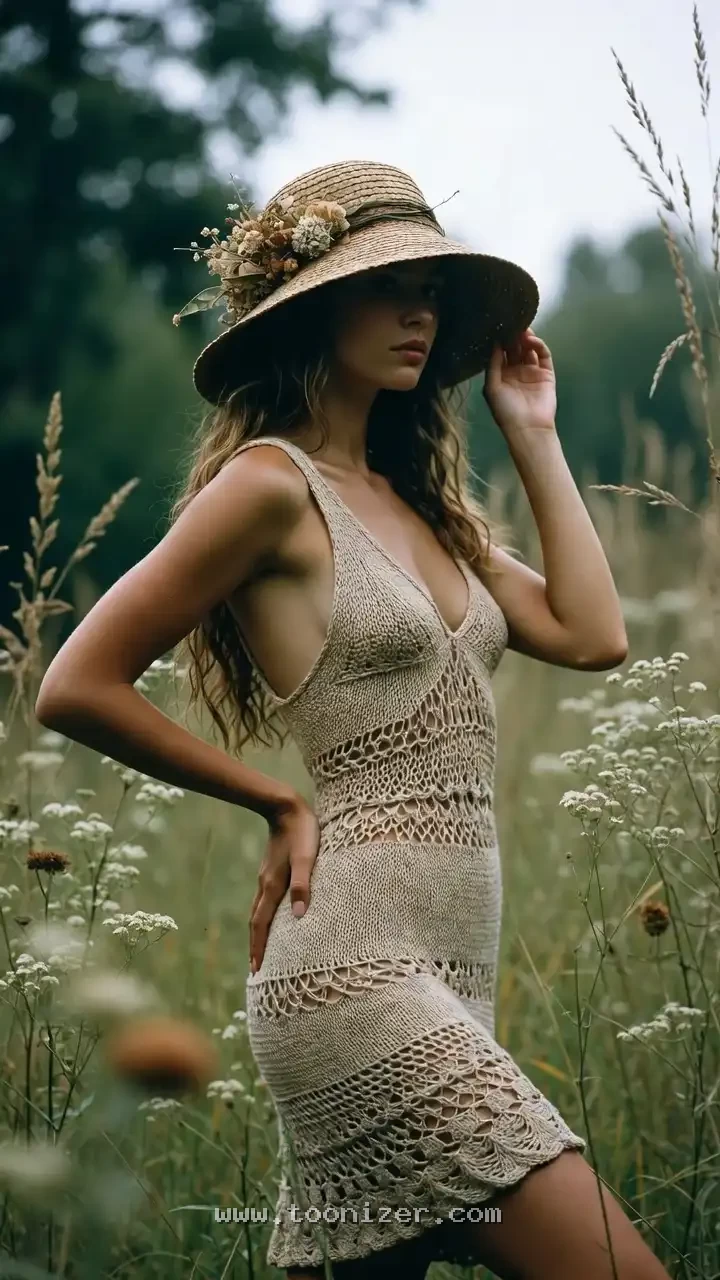
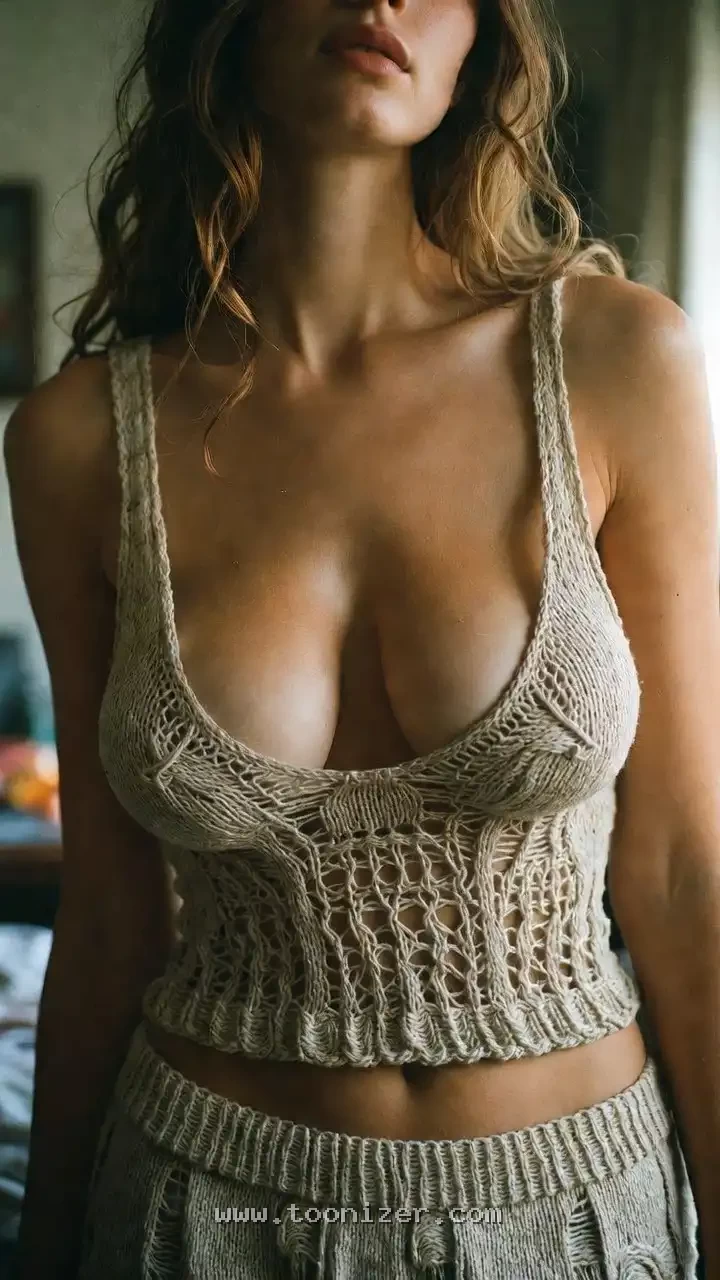
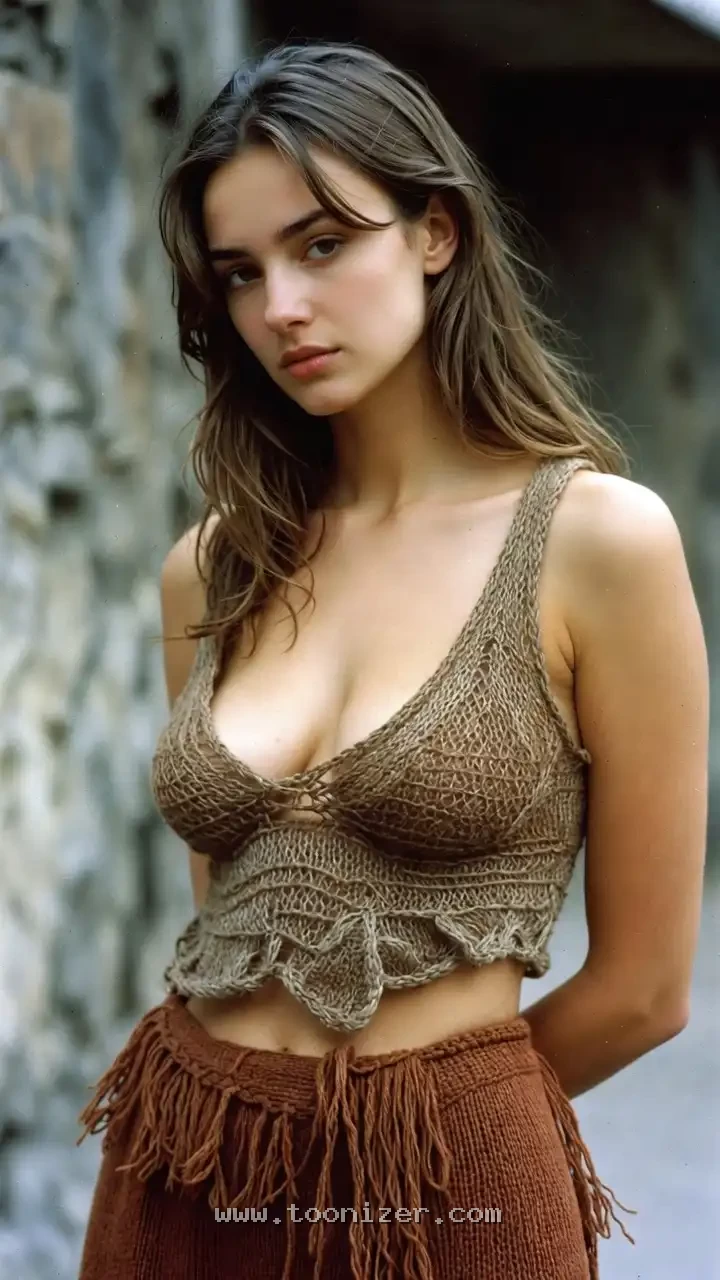
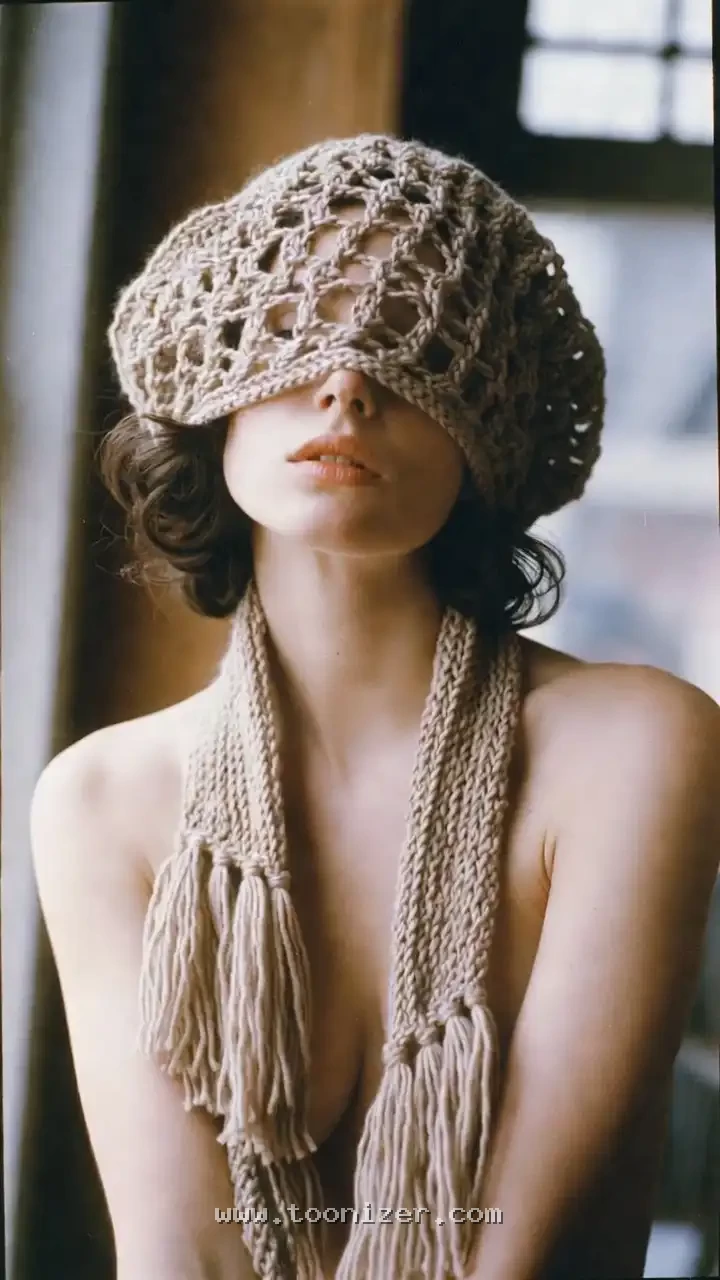
Lace and openwork knits
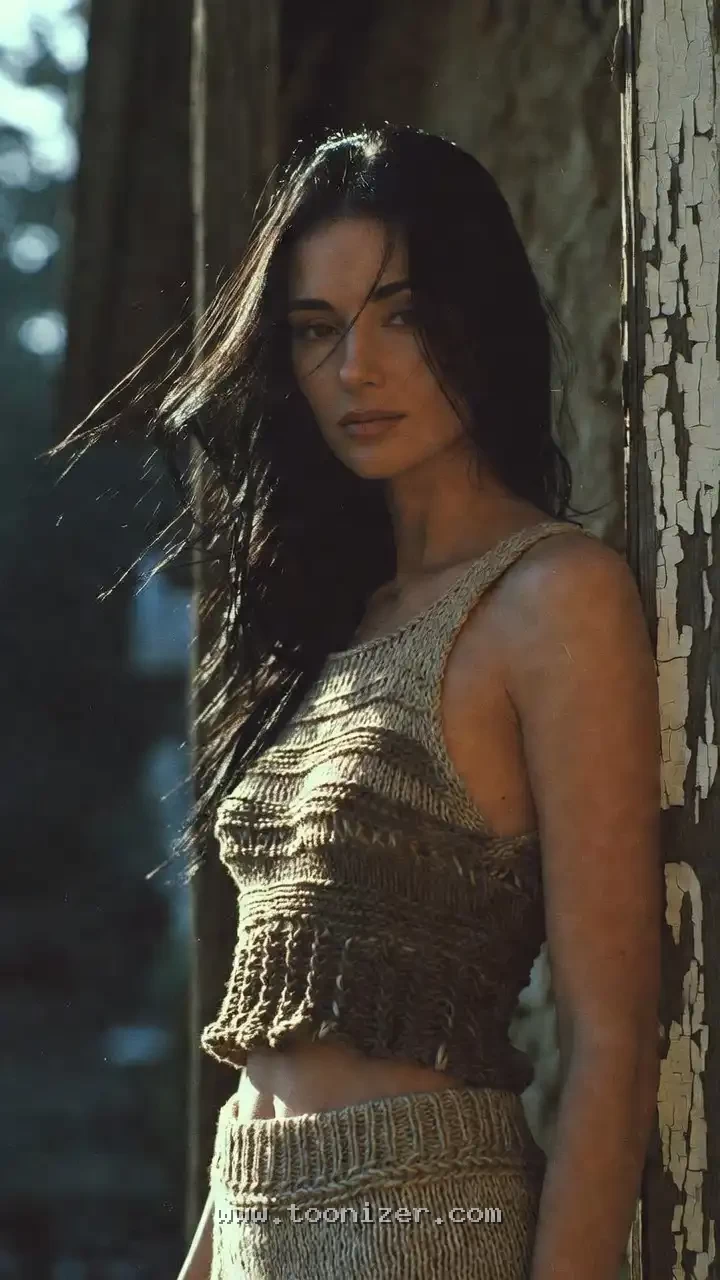
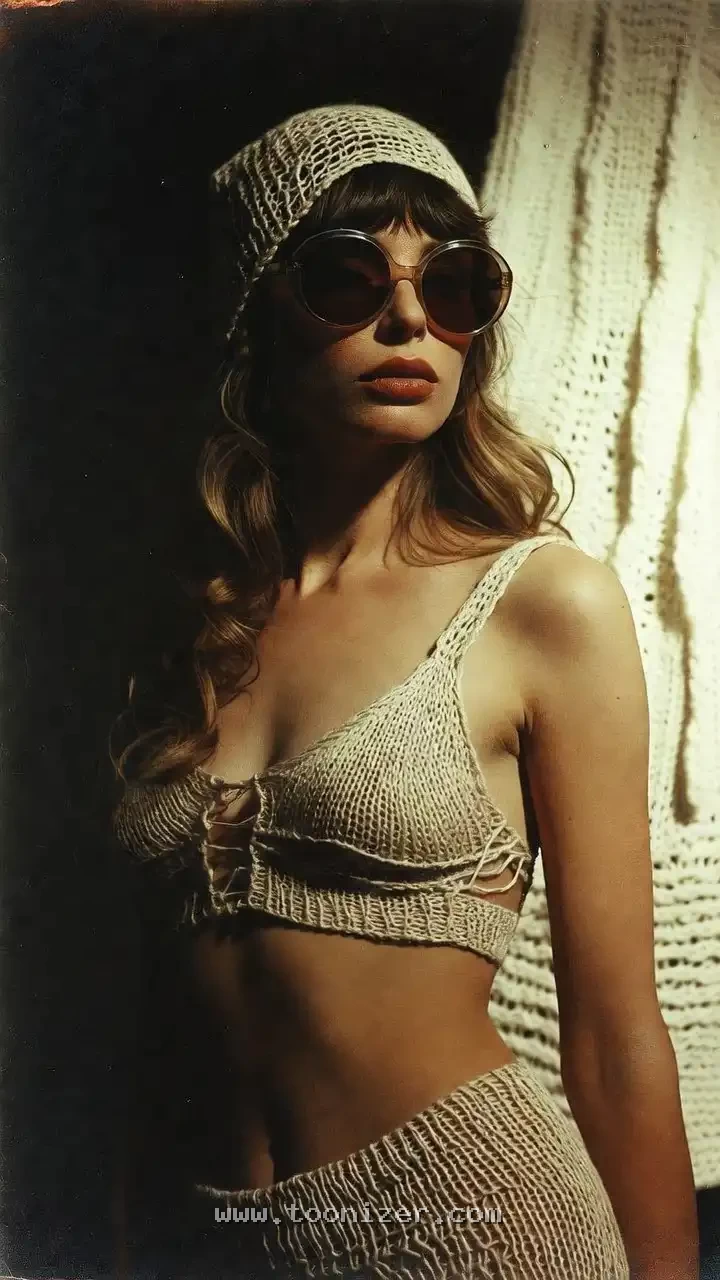
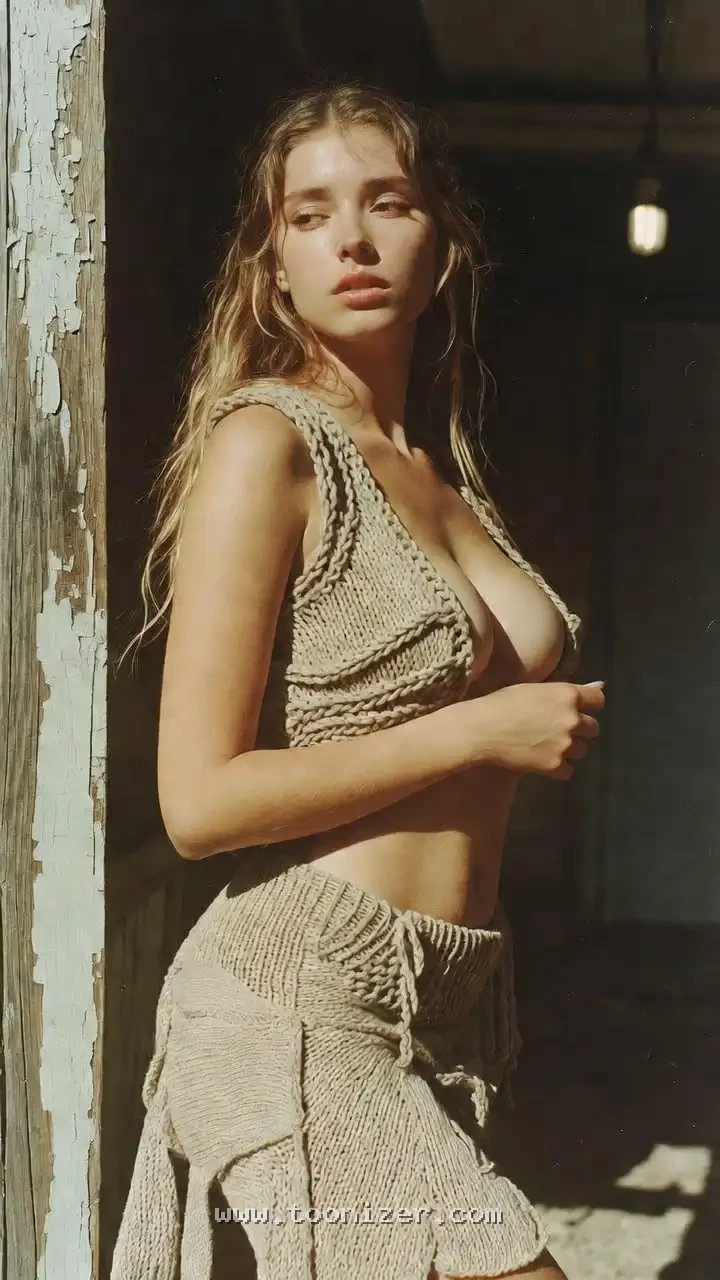
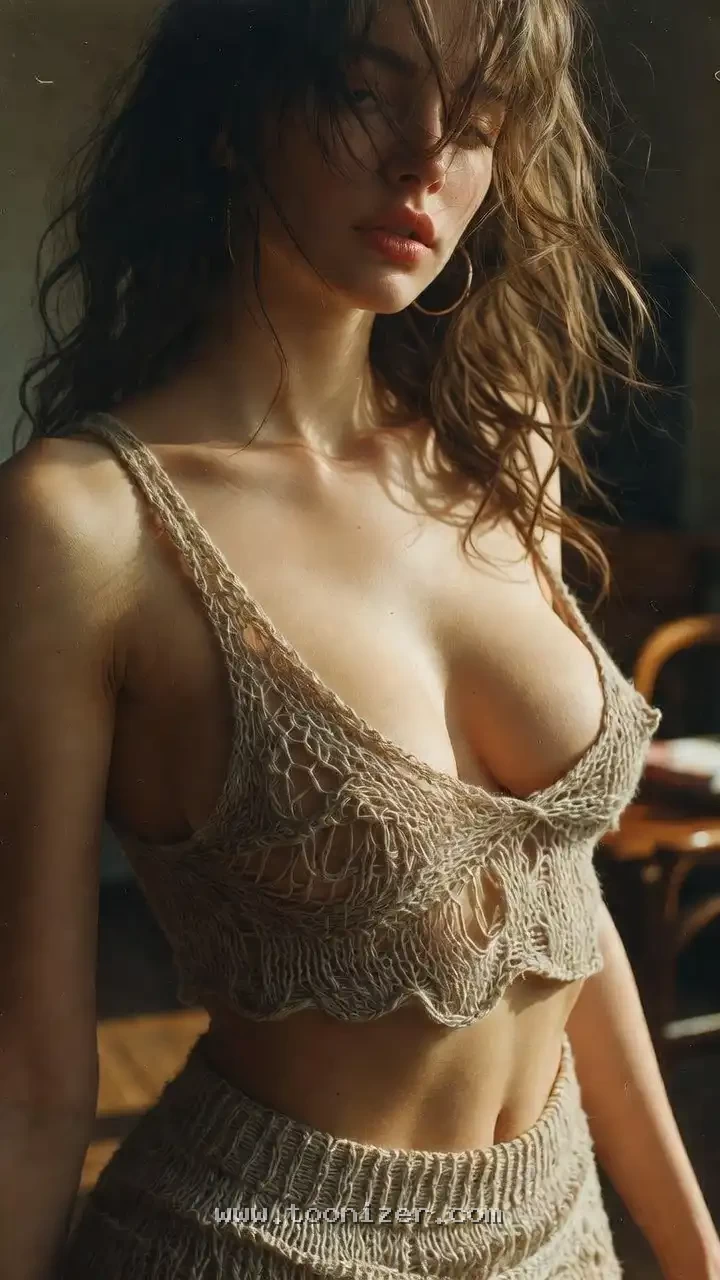
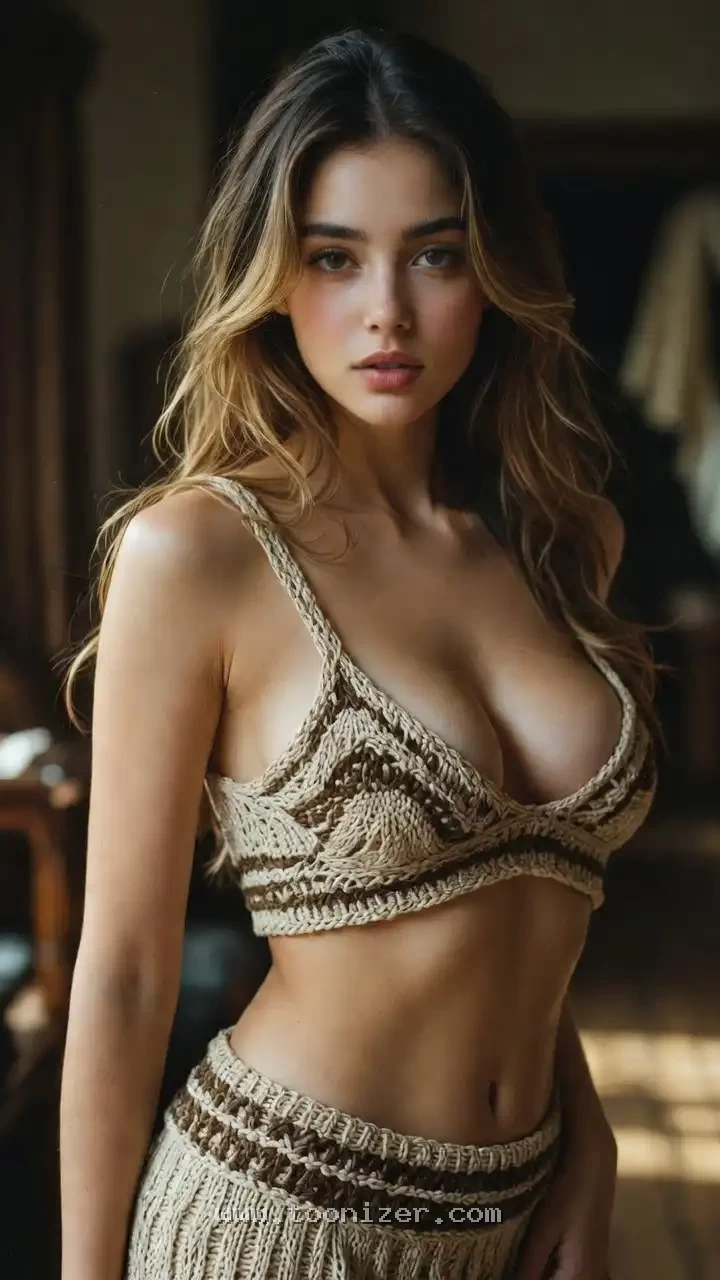
Lace knitting uses yarn-overs and decreases to make holes in a planned pattern. It looks complex, but most lace stitches repeat over only a few rows. Start with a lace panel on a yoke or sleeve before trying a whole lace top. Cotton and linen yarns show lace stitches clearly and stay cool in summer.
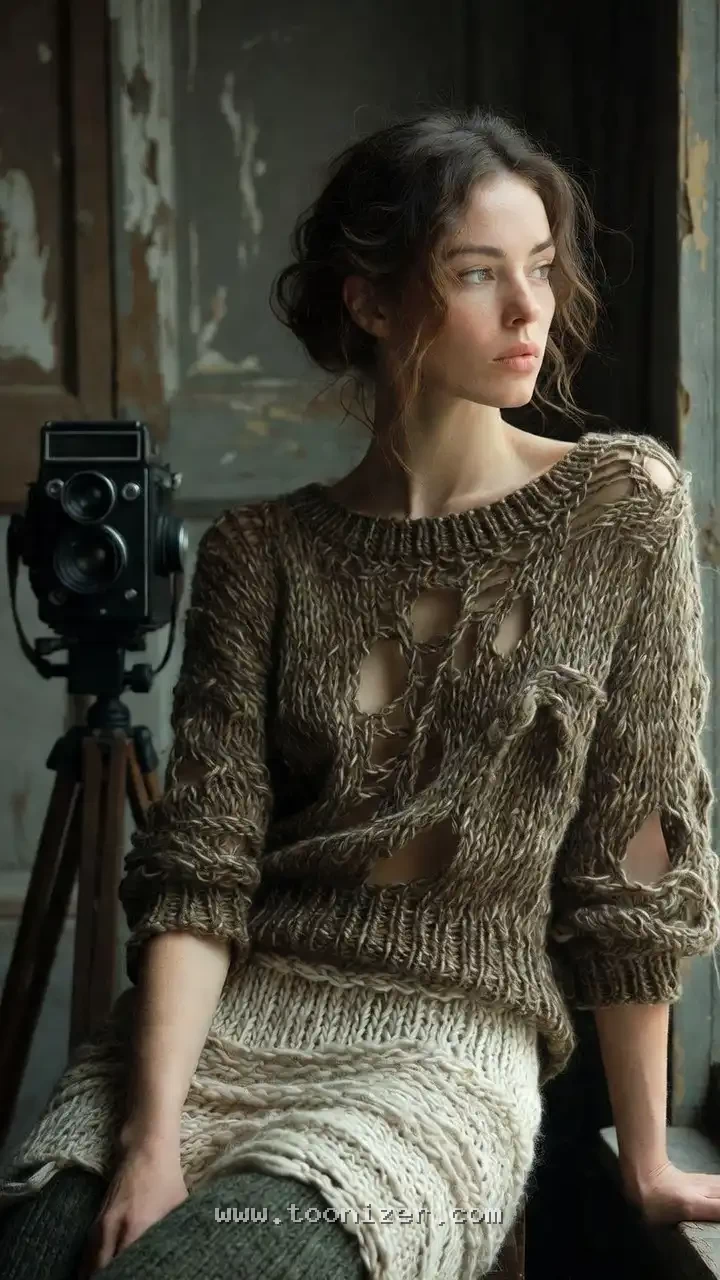
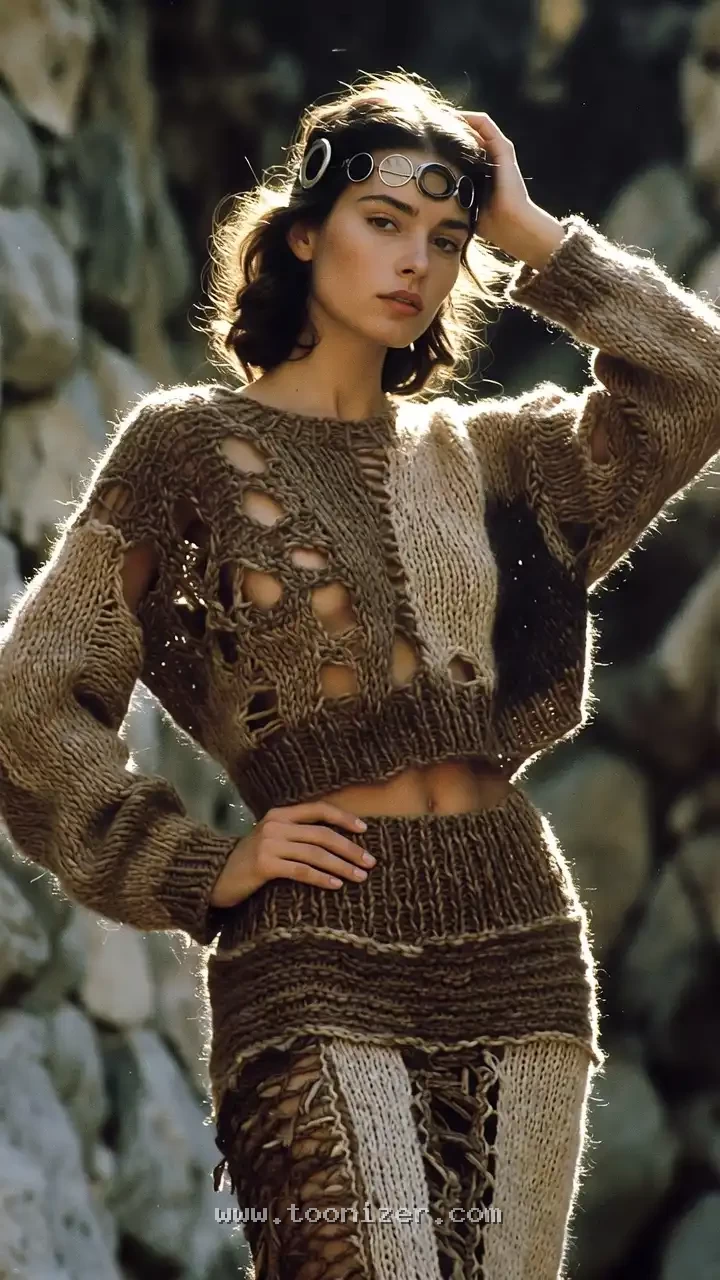
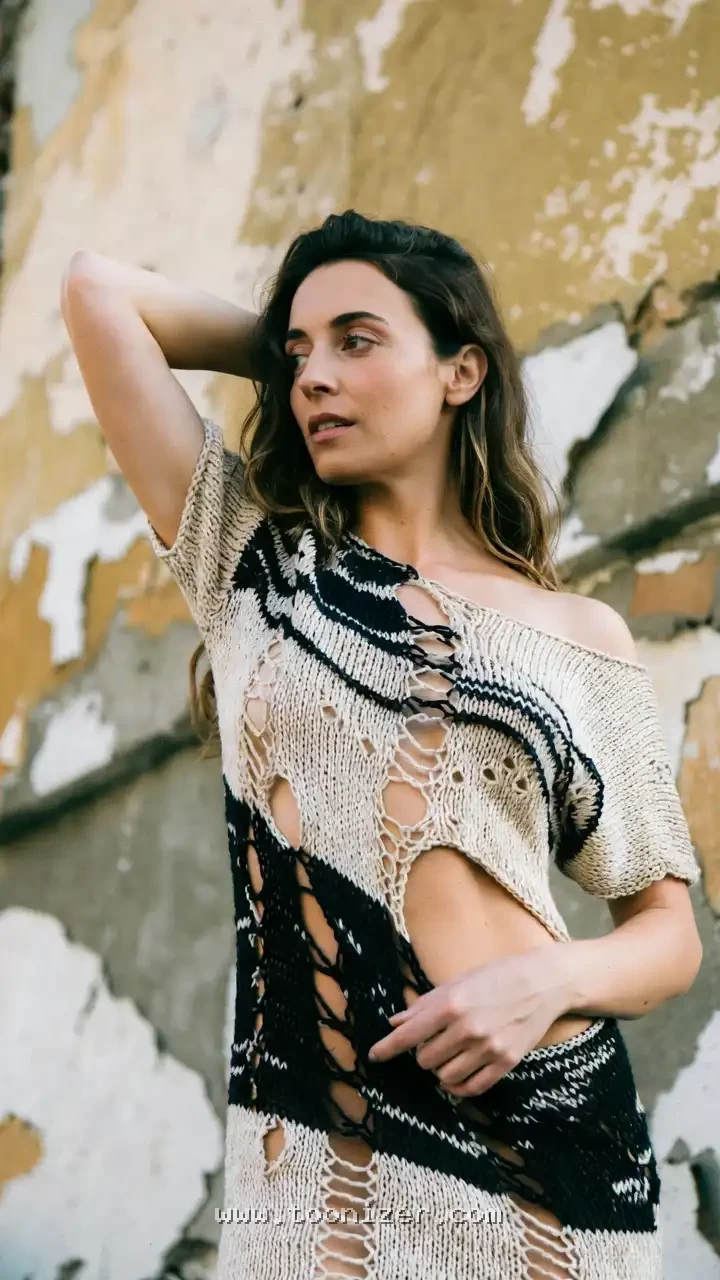
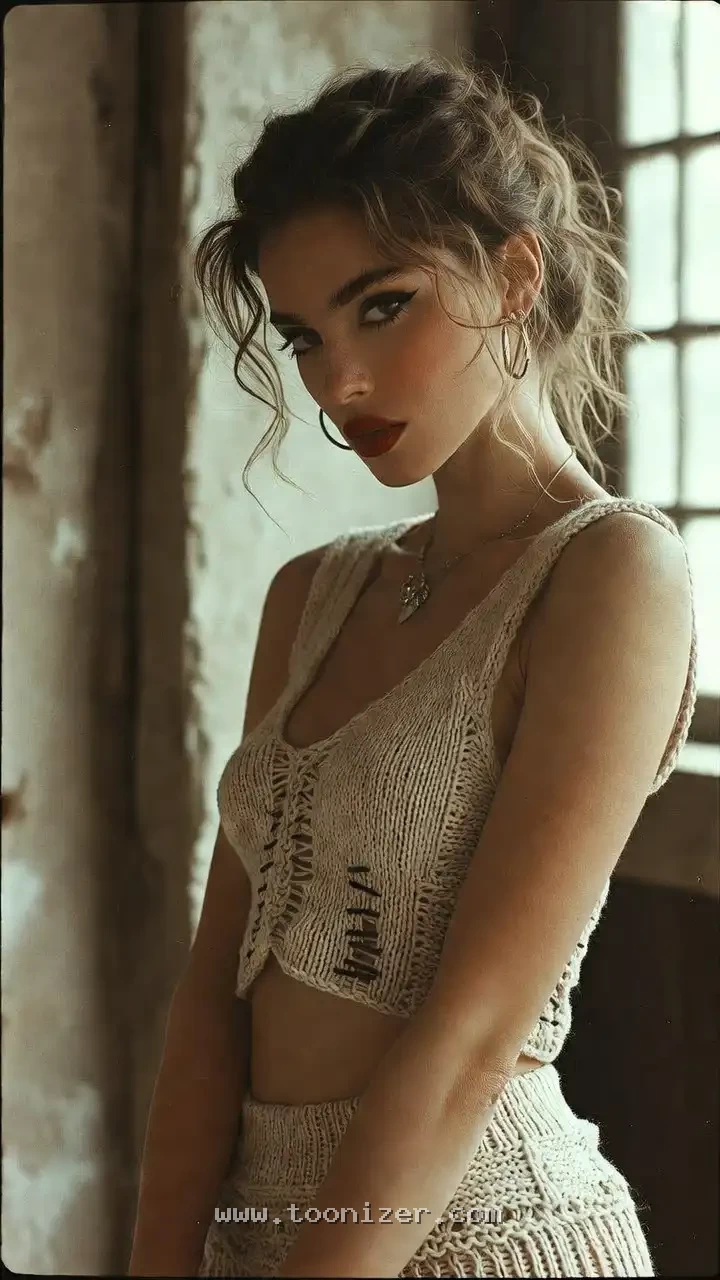
Distressed and ladder-stitch knits
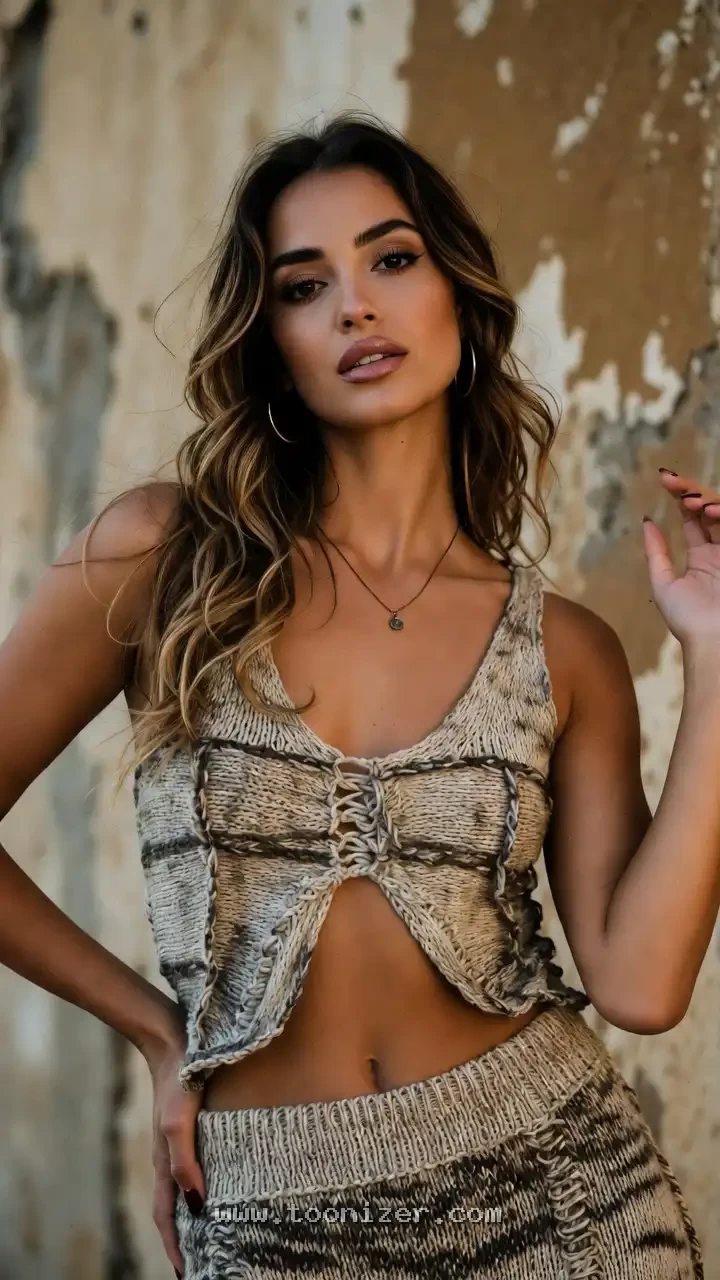
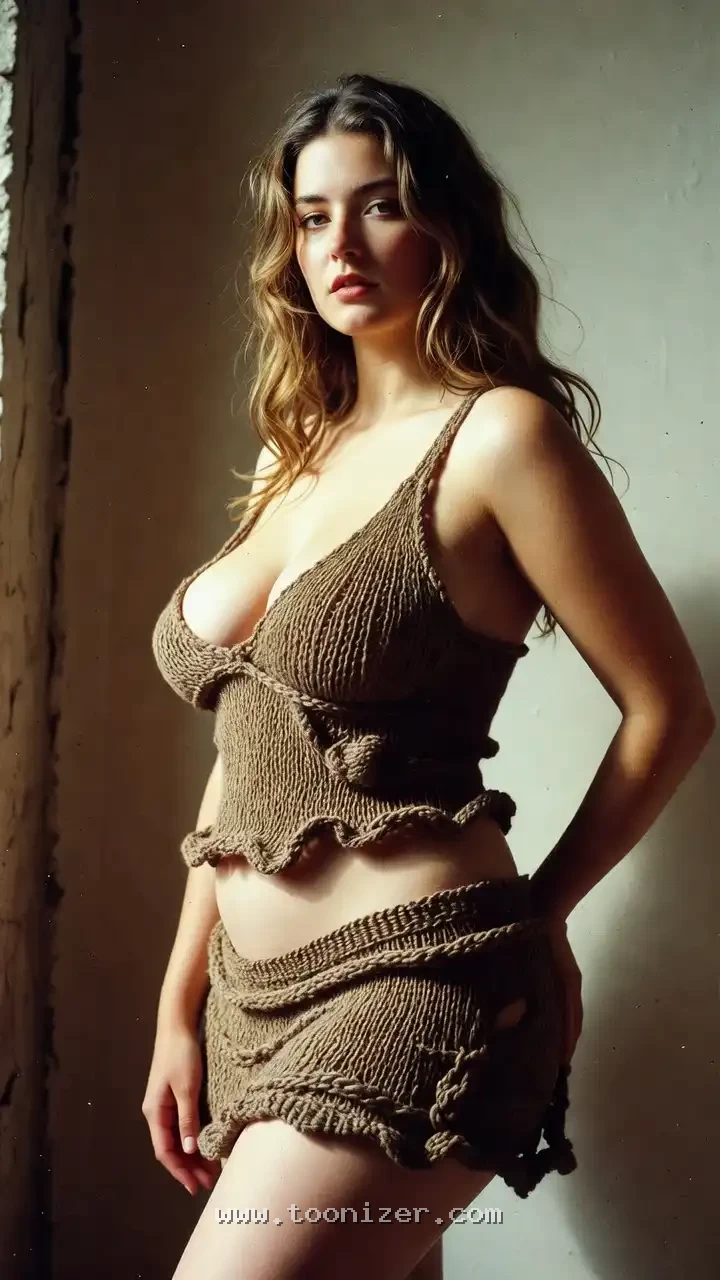
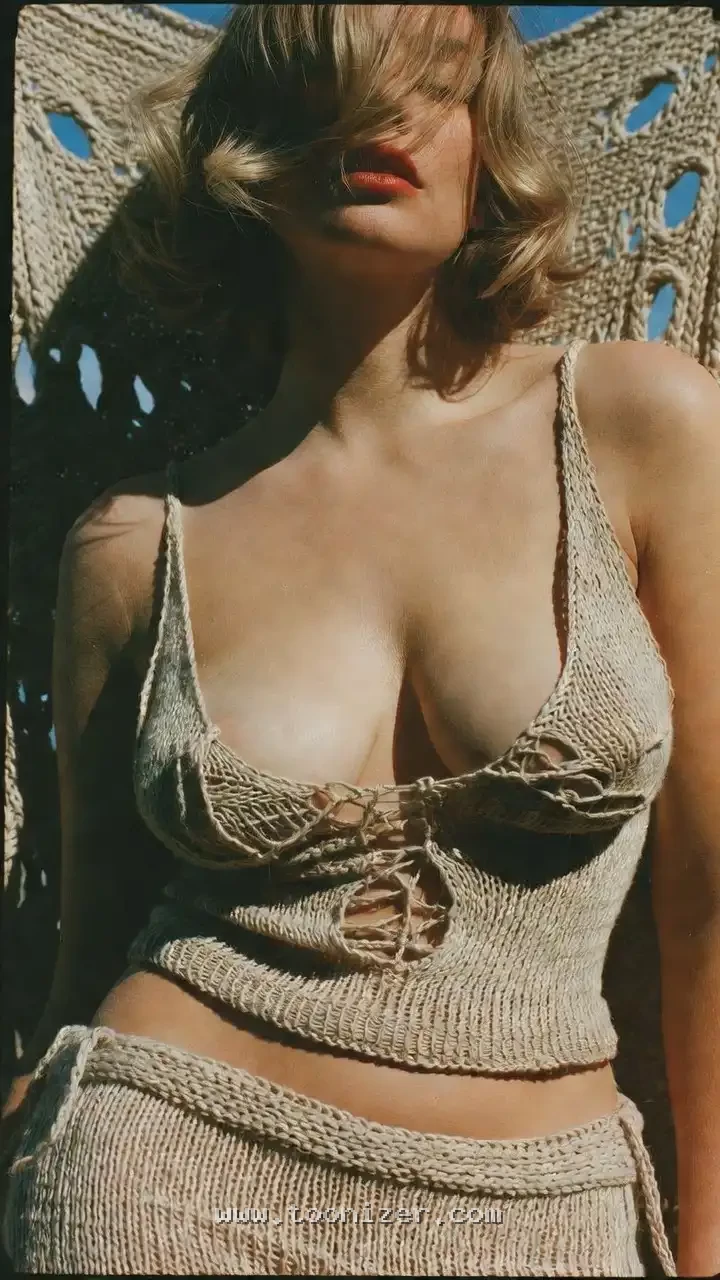
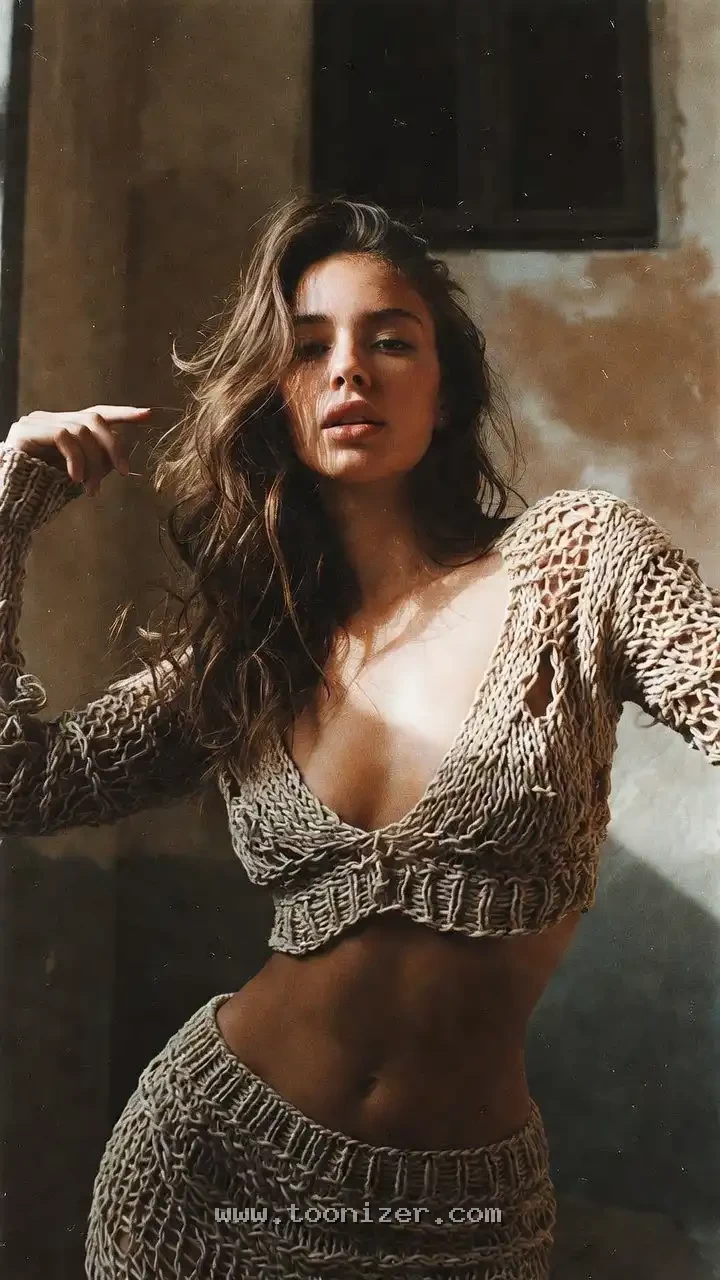
Distressed knits have deliberate holes and dropped stitches. The trick is to drop a stitch on purpose and let it run down a set number of rows, then pick it up again so the ladder stops where you want. Bind off a few stitches and cast them on again a few rows later for larger holes. Mohair and loosely spun wool give the softest result.
Cables, vests and knitted sets
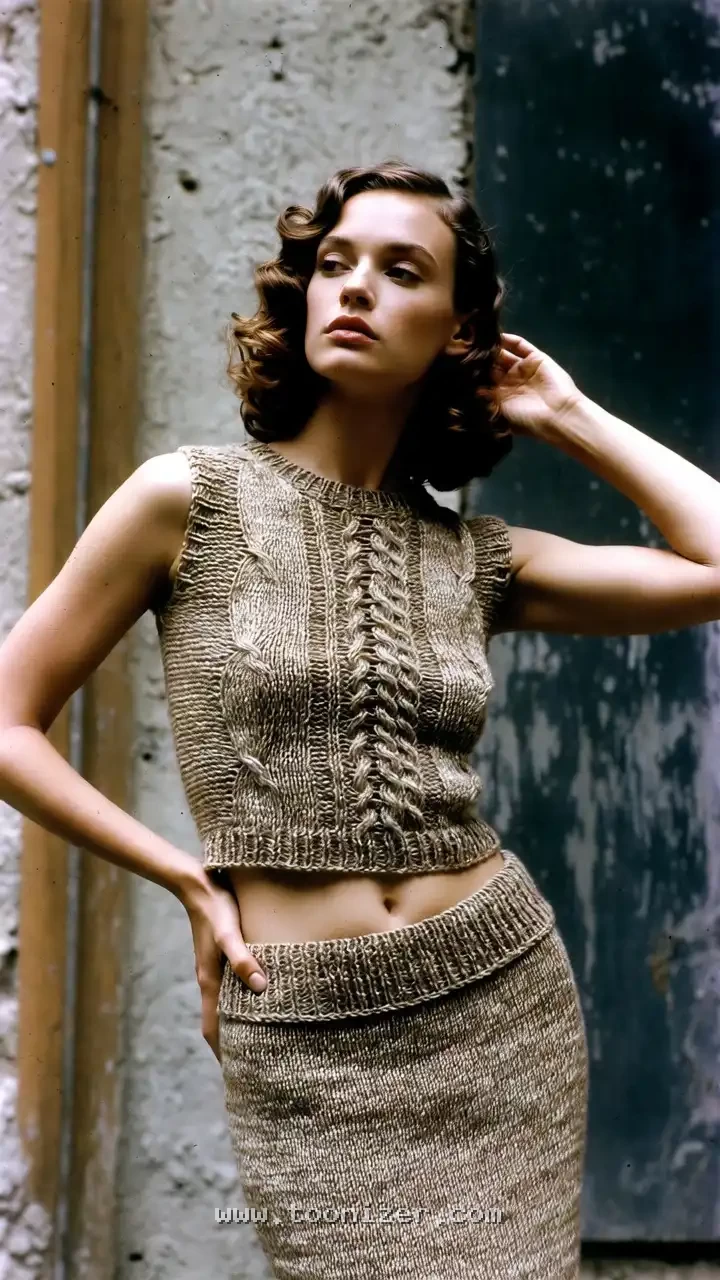
Cables are made by crossing groups of stitches over each other with a cable needle. A sweater vest is the easiest place to try them: no sleeves, quick to finish, and a single central cable panel is enough to make it look special. Knitting a matching skirt or trousers turns one project into a full set.
Knitting or crochet?
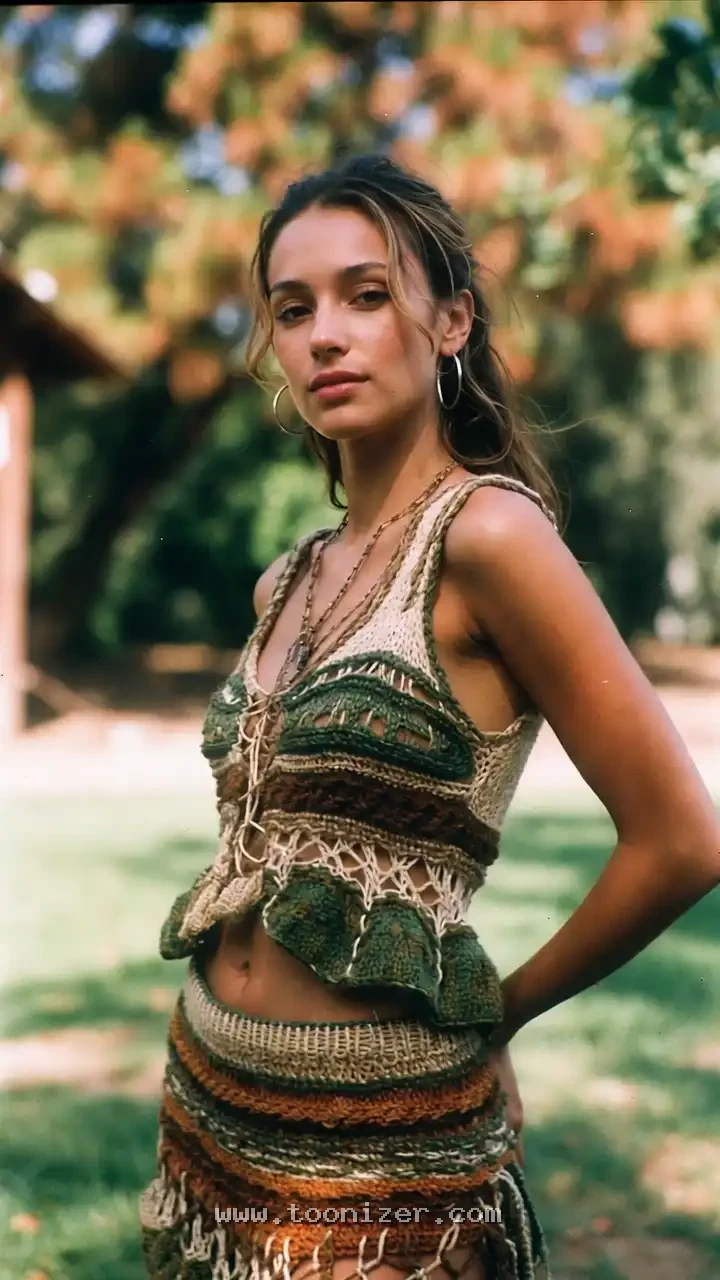
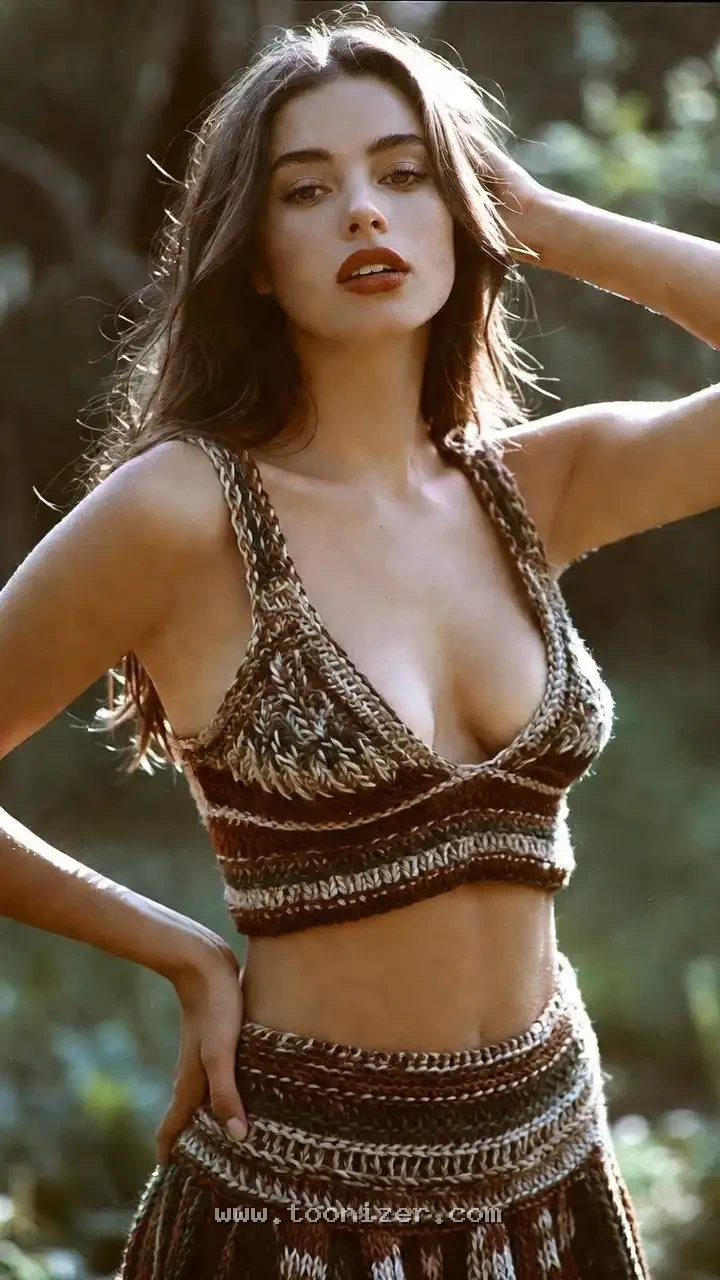
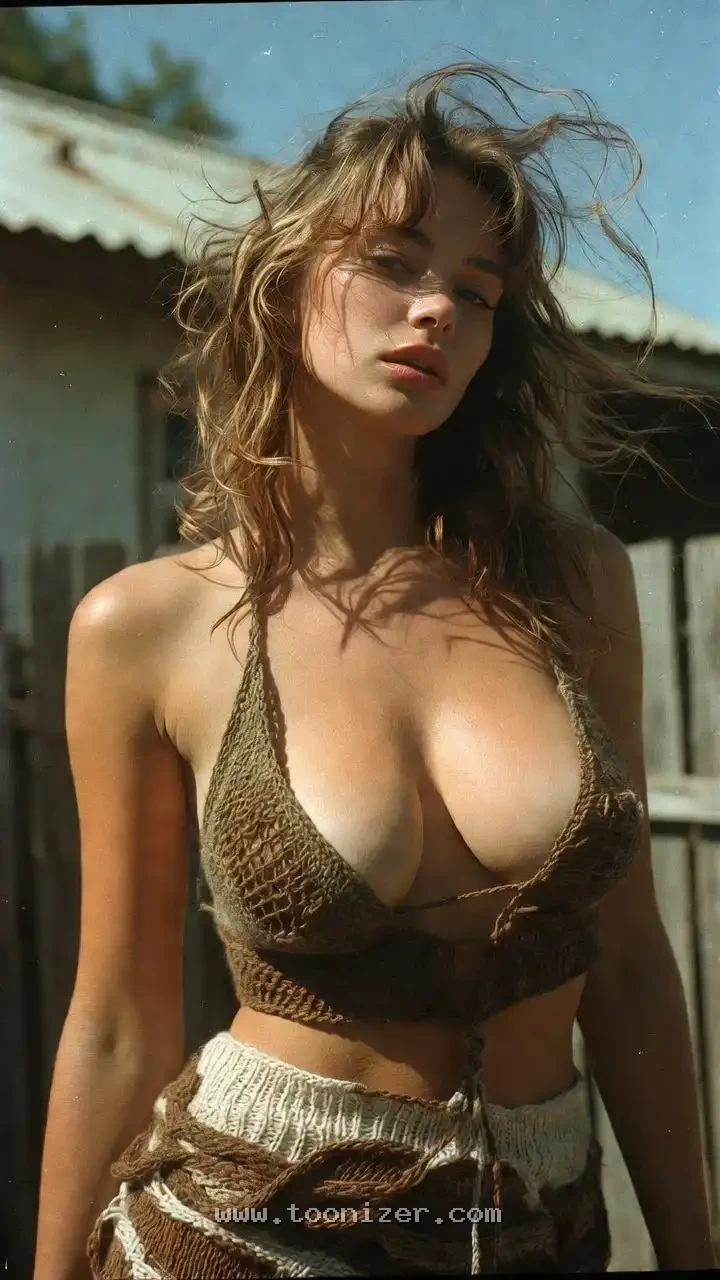
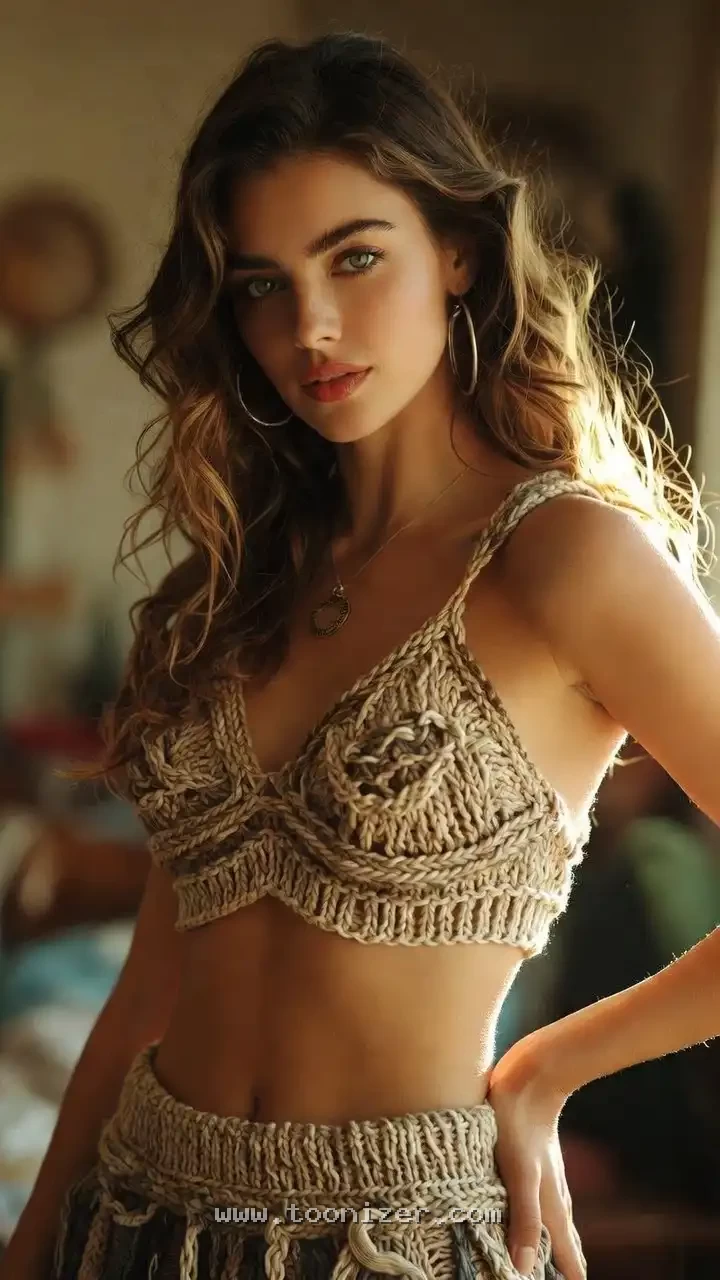
Several of the tops above are crochet rather than knitting. Crochet uses one hook and builds fabric one stitch at a time, which makes lace and motifs (like granny squares) quicker. Knitting uses two needles and gives a stretchier, flatter fabric, better for sweaters and fitted pieces. Many makers learn both and mix them, for example a knitted body with a crochet edging.
Basic kit for knitting clothes
- Circular needles in 4 mm, 6 mm and 8 mm (circulars work for flat and round knitting)
- Stitch markers, a tapestry needle for sewing up and a tape measure
- A cable needle once you try cables
- Natural fibre yarn: wool for winter, cotton or linen for summer tops
Frequently asked questions
What should I knit first?
A scarf or a hat teaches the basic stitches. For a first garment, a chunky drop-shoulder sweater or a simple vest is the most forgiving.
How much yarn do I need for a sweater?
It depends on yarn weight and size. As a rough guide, 800 to 1,200 g of bulky yarn, or 500 to 700 g of worsted. Always check the pattern and buy all the yarn from one dye lot.
Is knitting cheaper than buying clothes?
Not always. Good yarn can cost more than a shop sweater. The value is in the fit, the materials you choose and a piece that lasts for years.
For texture study, see drawing texture: knits, linen and embroidery, and for scraps and old clothes see our post on upcycled clothing ideas.
Turn a photo of your finished knit into a cartoon portrait. Try it with the free Toonizer cartoon generator.
0 Comments