Upcycled clothing starts with what is already in the cupboard: jeans with worn knees, a linen shirt with a stain, an old tablecloth, a sack of fabric offcuts. Patchwork, visible mending and appliqué turn those pieces into new clothes without buying new fabric. This post collects 21 upcycled clothing ideas, from a full patchwork dress to small hand-stitched details, with notes on how each one is made and what you need to start.

A note on the images: like the other photo galleries on Toonizer, the pictures in this post were made with AI to show the look and the techniques. If you want to learn to tell them apart from real photos, see how to spot AI vintage photos.
What upcycled clothing means
Recycling breaks a garment down into fibre. Upcycling keeps the fabric as fabric and gives it a new shape or a new job. A pair of old jeans becomes a patch on a jacket; a faded linen dress becomes a top with a new hem; leftover scraps become a whole patchwork coat. Most of the ideas below need only a needle, thread, scissors and some time, and a sewing machine makes the longer seams faster.
Patchwork dresses and coats
Patchwork is the most direct way to use scraps. Cut squares or rectangles from old clothes, lay them out until the colours sit well together, then sew them into panels. Linen, cotton and denim of similar weight are easiest to join. Earthy tones (sand, rust, moss, ink blue) almost always work together, which is why they show up again and again in these looks.
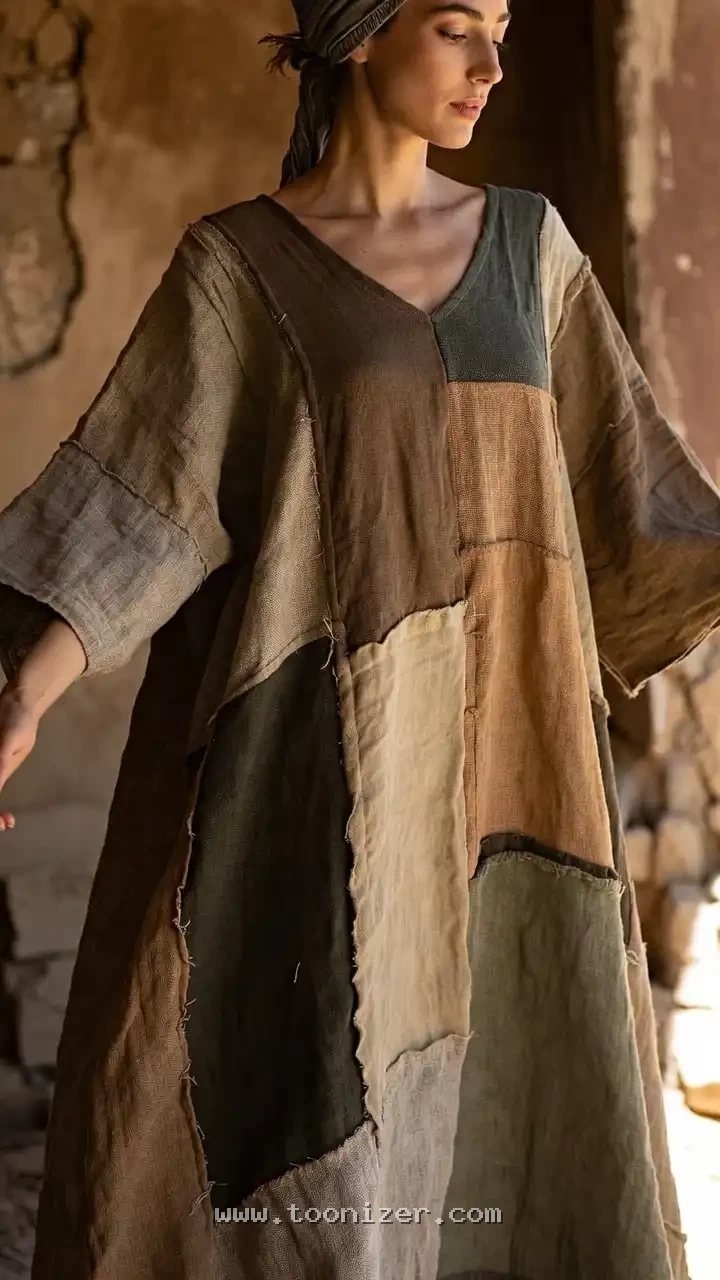
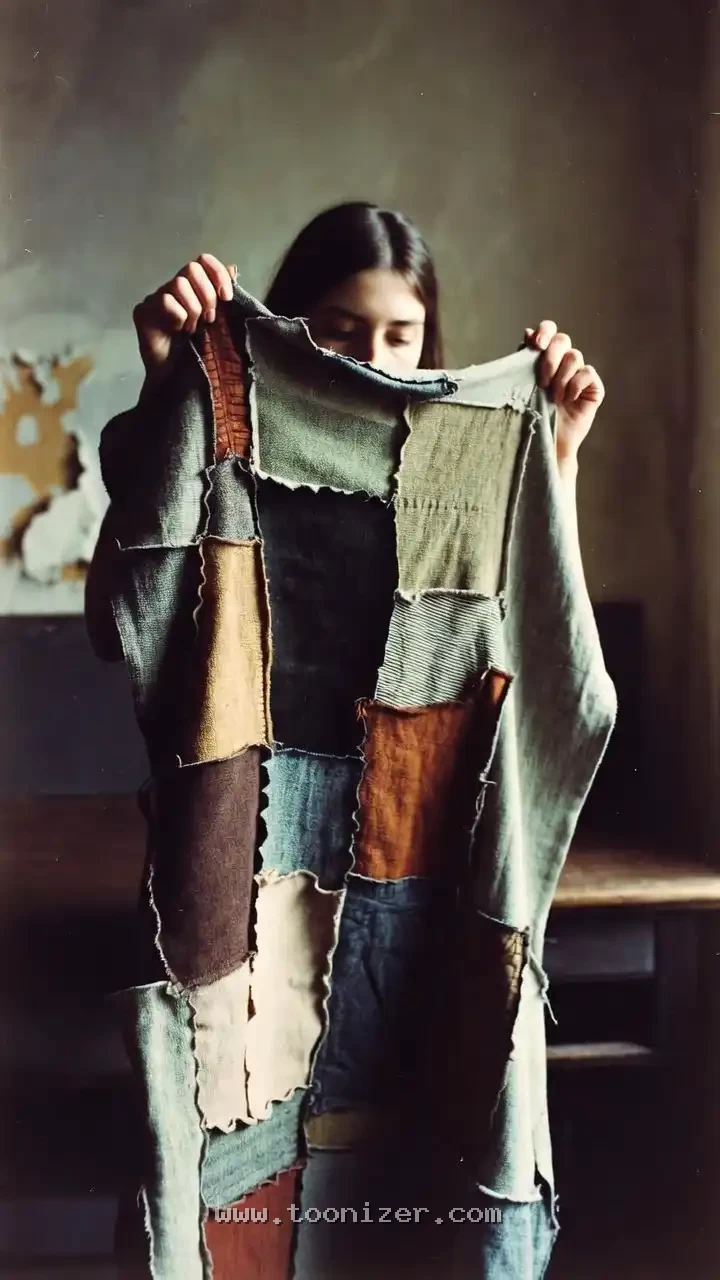
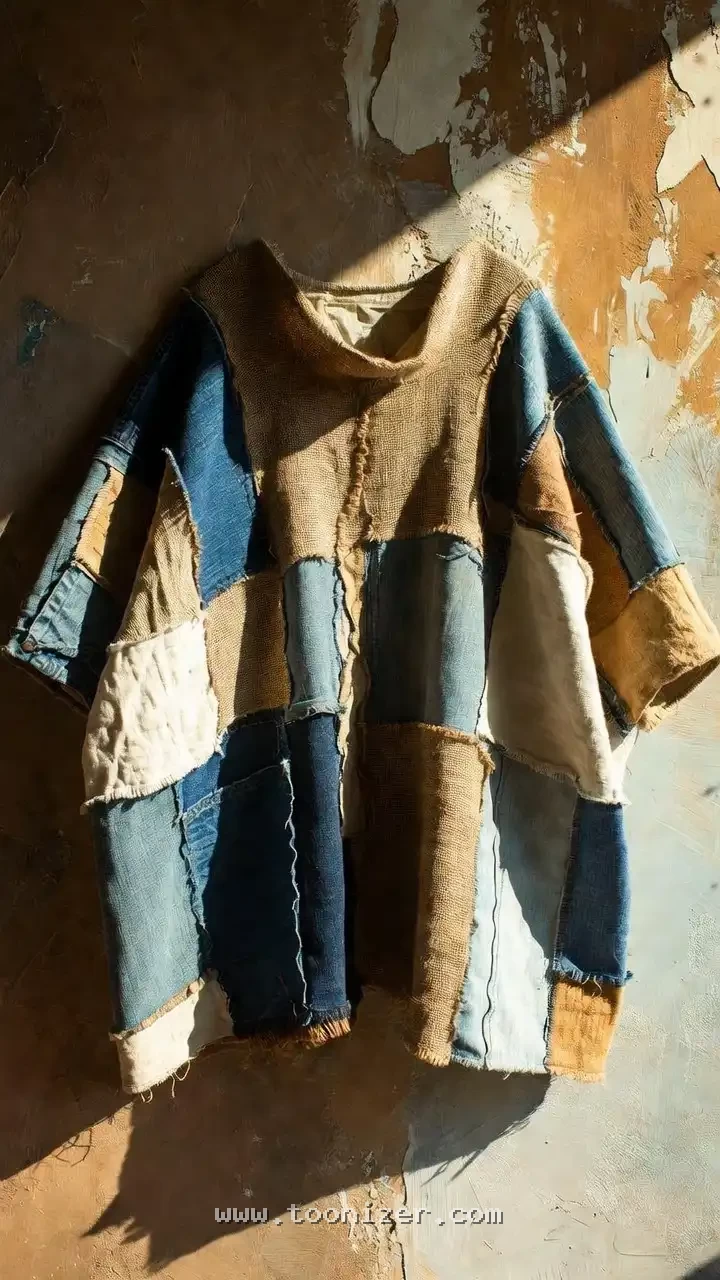
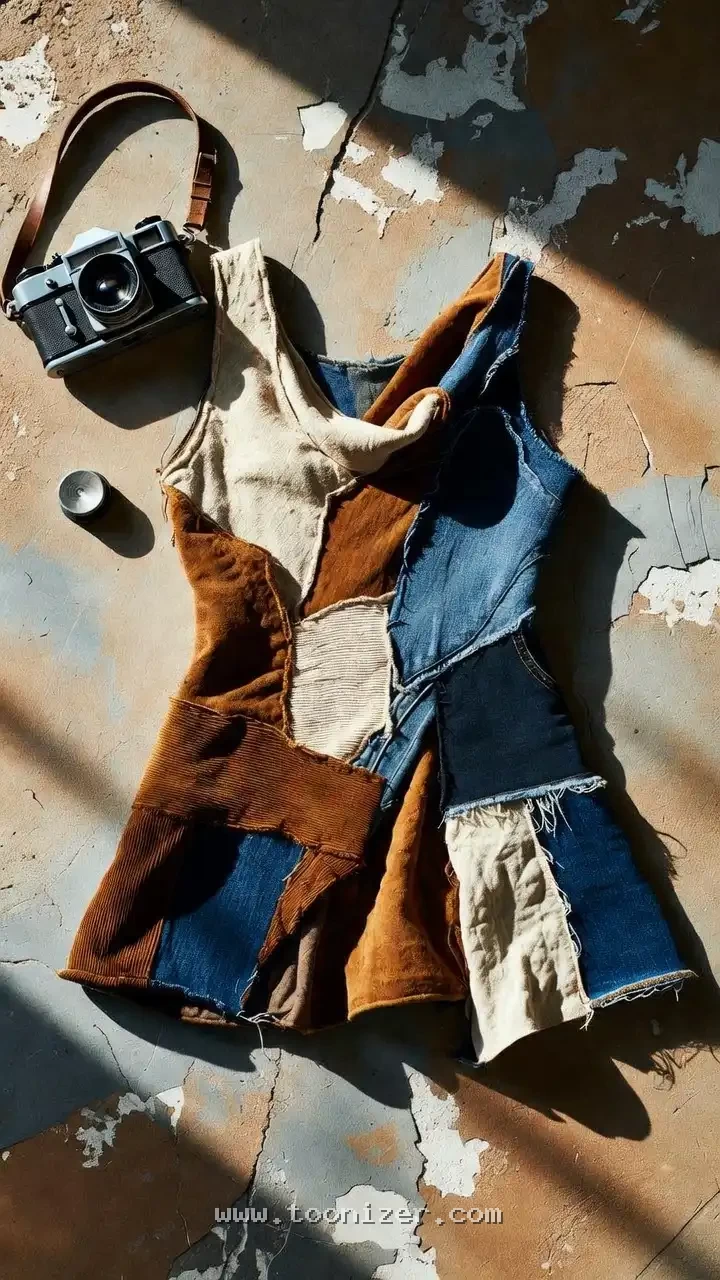
- Start with a paper pattern. Trace a dress or shirt you already own, then draw patch lines on the paper before cutting any fabric.
- Keep fabric weights close. Heavy denim next to thin voile will pull and pucker. Group heavy with heavy, light with light.
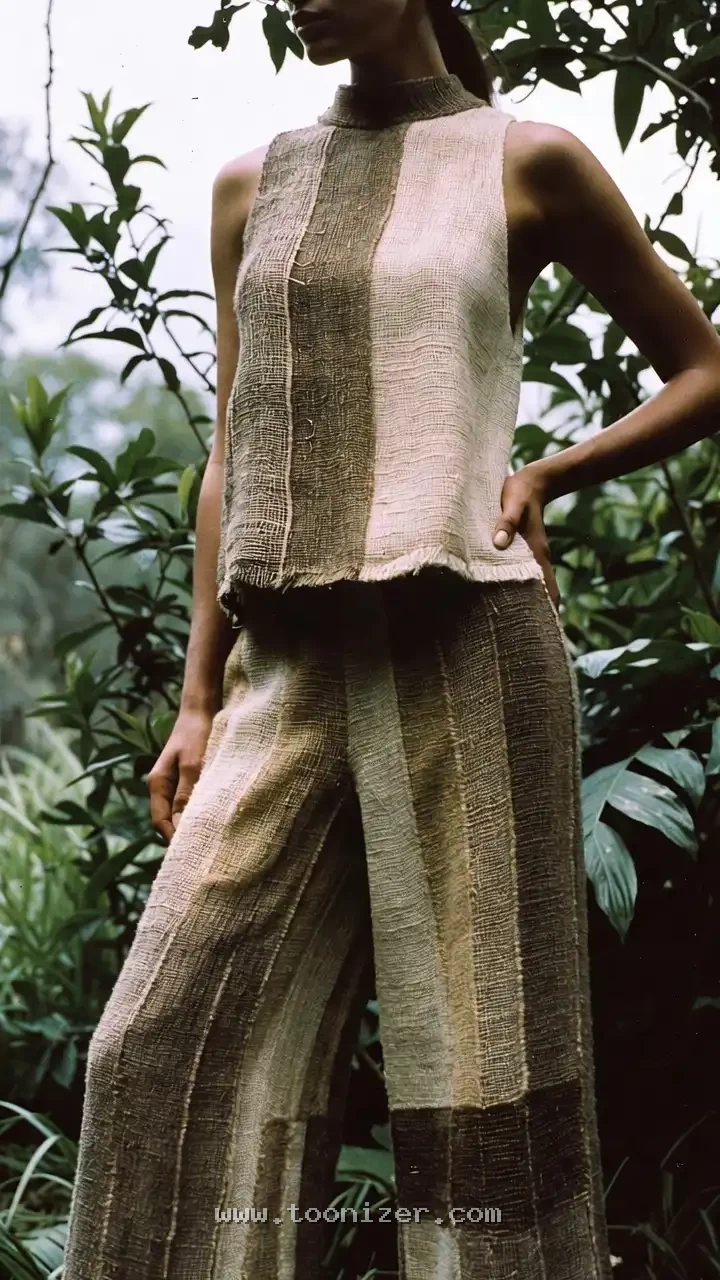
- Raw or finished edges. Raw, frayed seams (as in the denim and burlap top above) look relaxed but need a zigzag or straight stitch about 1 cm in from the edge to stop the fraying spreading.
- Wash scraps first. Old cotton and linen can still shrink. Wash and press everything before you cut.
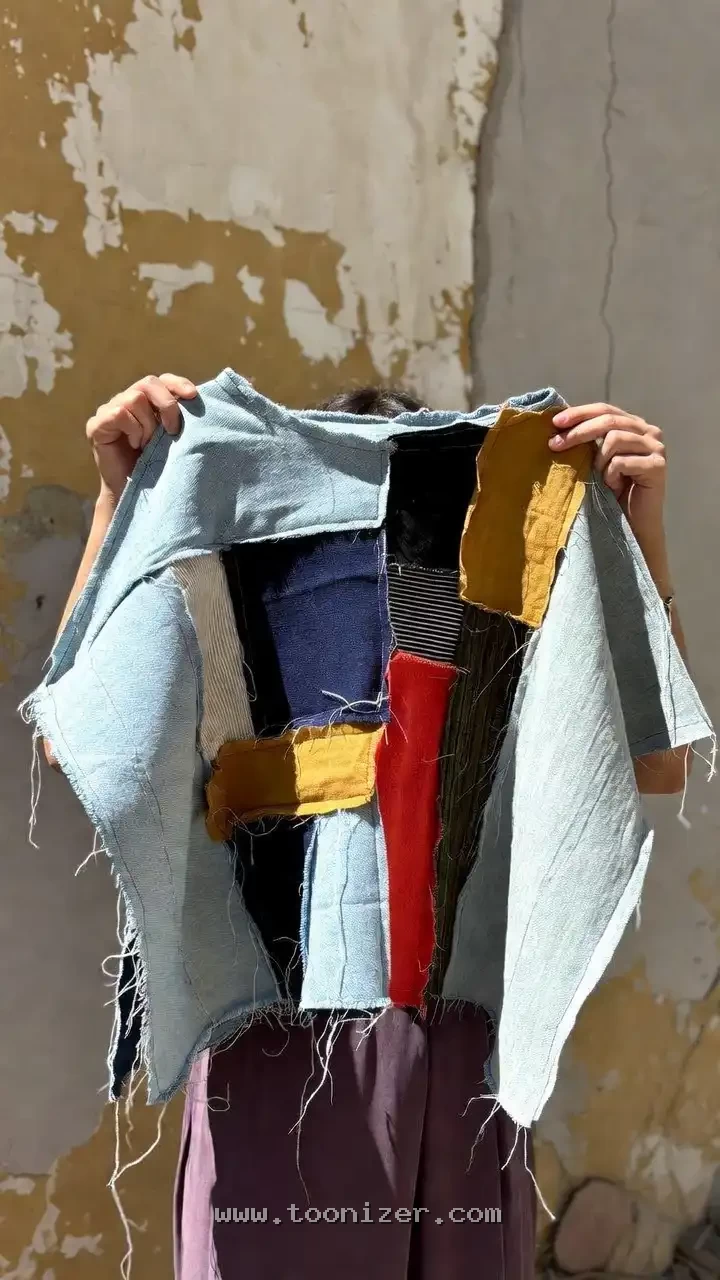
A patchwork jacket is a good first big project because it does not need a close fit. The example below uses pale denim with blocks of mustard, red, navy and stripes, all from different old garments.
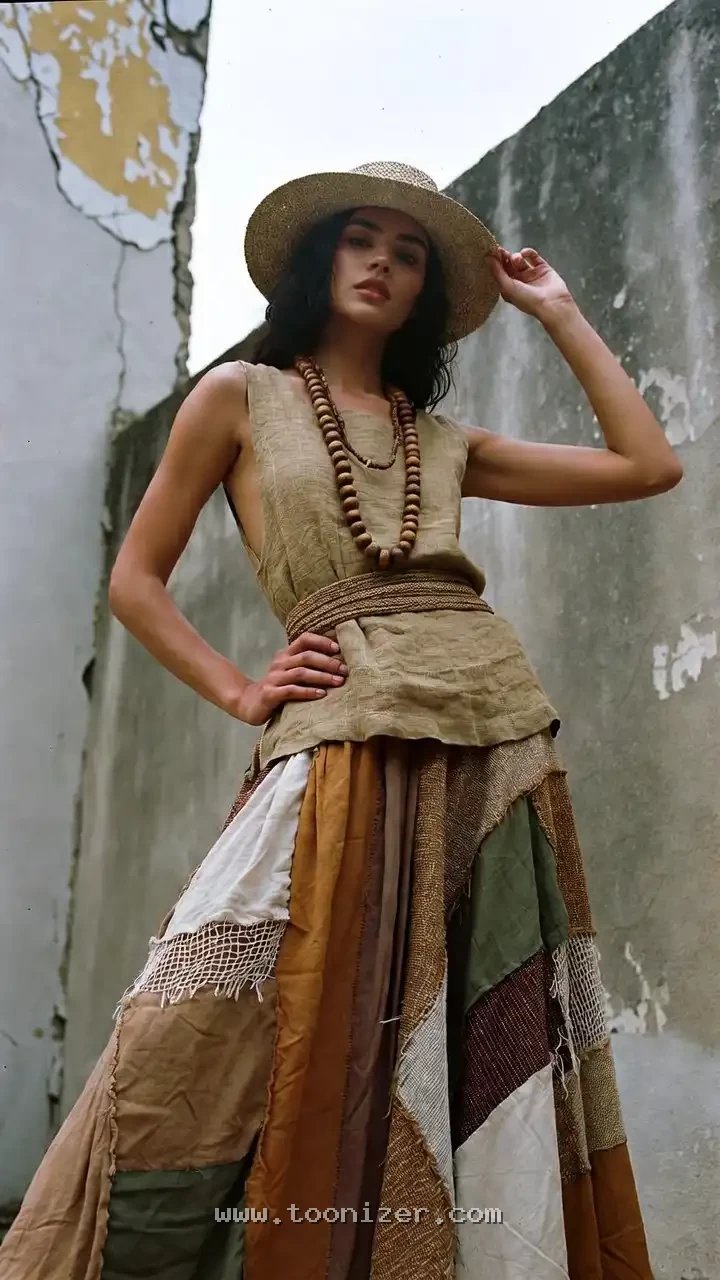
Denim patchwork and panelled pieces
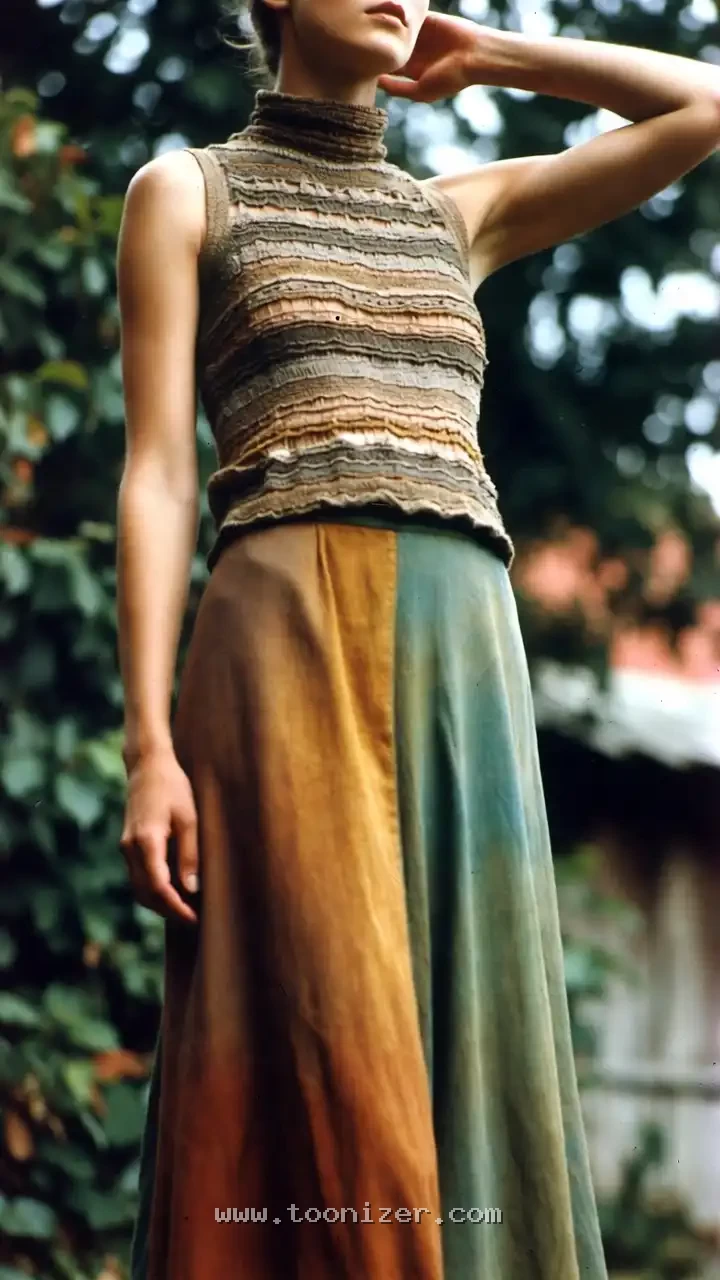
Old jeans are the most common upcycling material, and for good reason: denim is strong, easy to cut, and every pair fades differently. Two tones of denim sewn in vertical panels make shorts or a skirt look planned rather than patched. The same idea works with linen or loose-weave cotton in stripes of two colours.
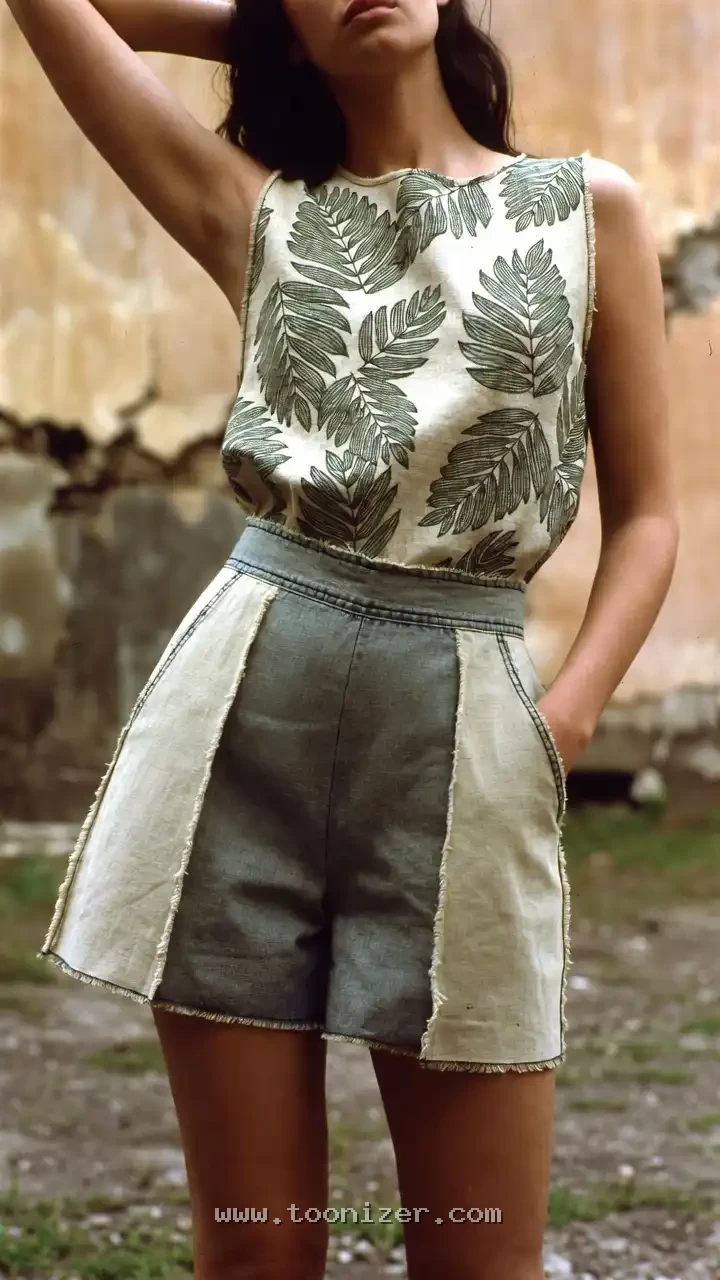
Visible mending and hand stitching
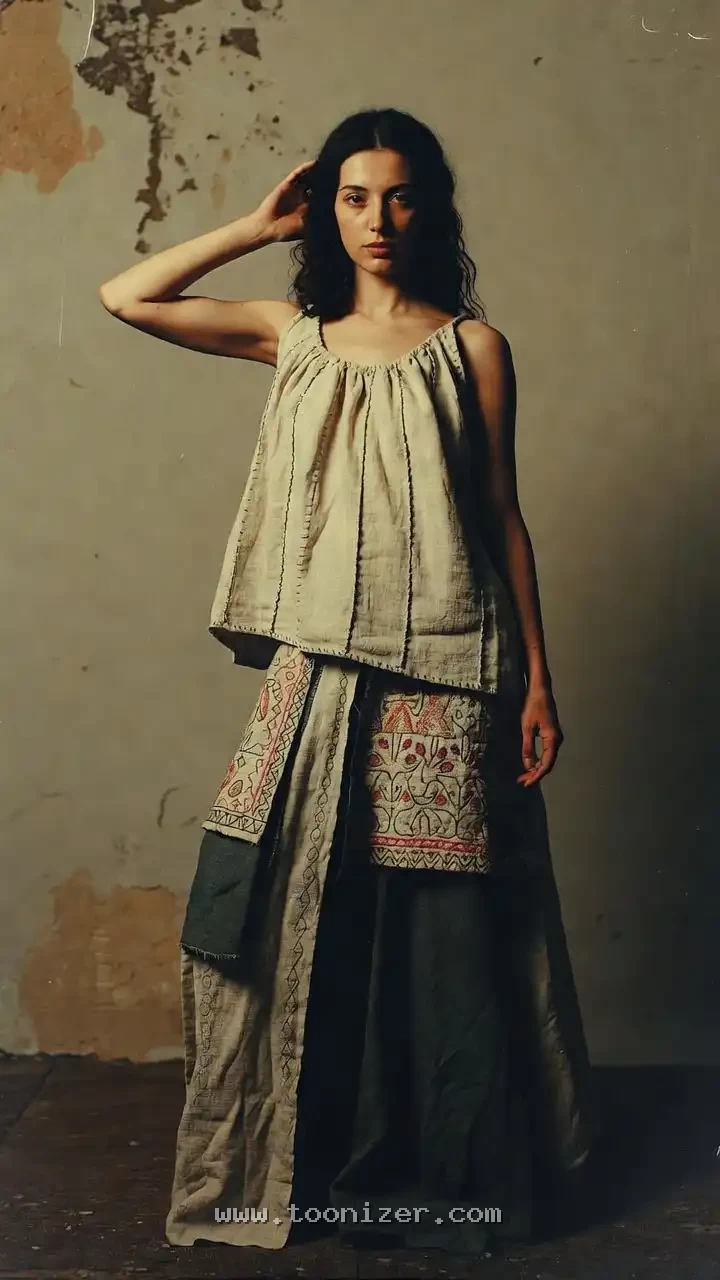
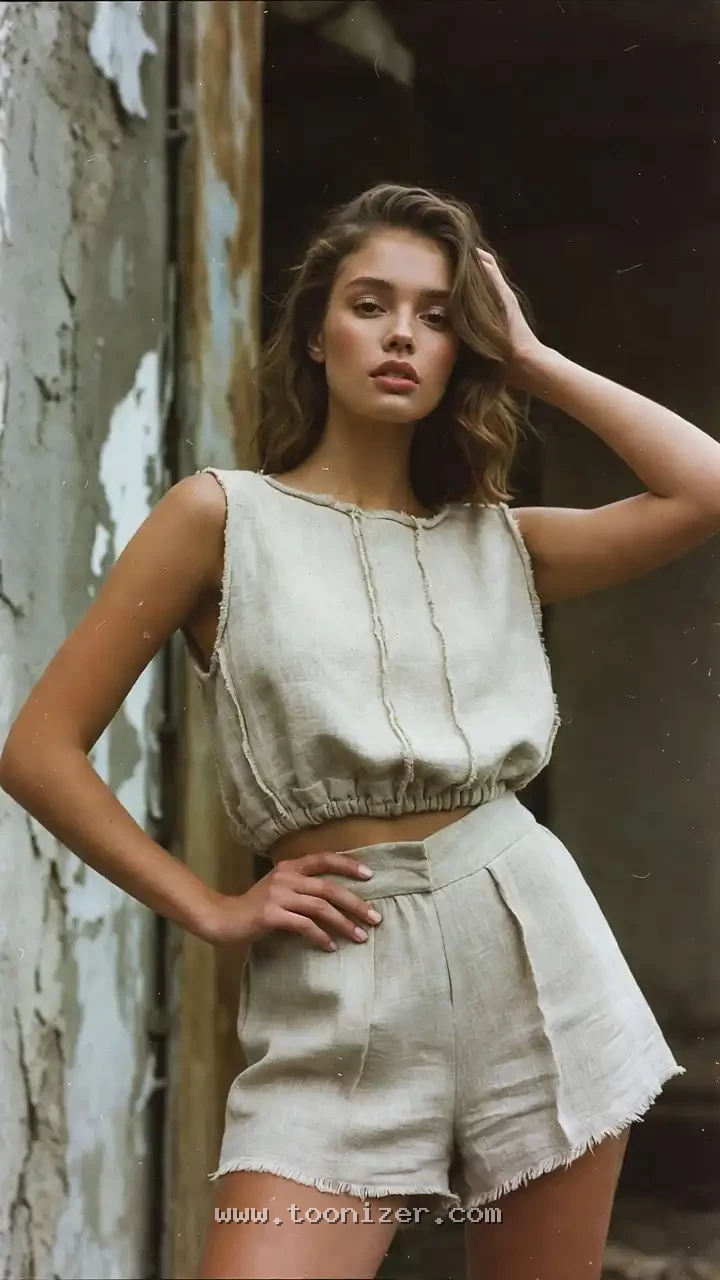
Visible mending treats a repair as decoration. Instead of hiding a tear, you cover it with a patch and a ring of running stitches, or you outline the seams in a contrasting thread. Sashiko, the Japanese running stitch, is the best-known version, but any even stitch in a thicker thread will do.



- Use embroidery floss, sashiko thread or two strands of normal thread for stitches that show.
- Work from the back of the patch so the knots stay hidden.
- Keep stitch length even (about 3 to 5 mm). Even stitches look deliberate; uneven ones look like a quick fix.
Appliqué and burlap
Appliqué means cutting a shape from one fabric and sewing it on top of another. Leaves are a popular choice because they are easy to cut and forgive small mistakes. Burlap and old coffee sacks give a rough, natural texture; line them with cotton where they touch the skin, as burlap can scratch.
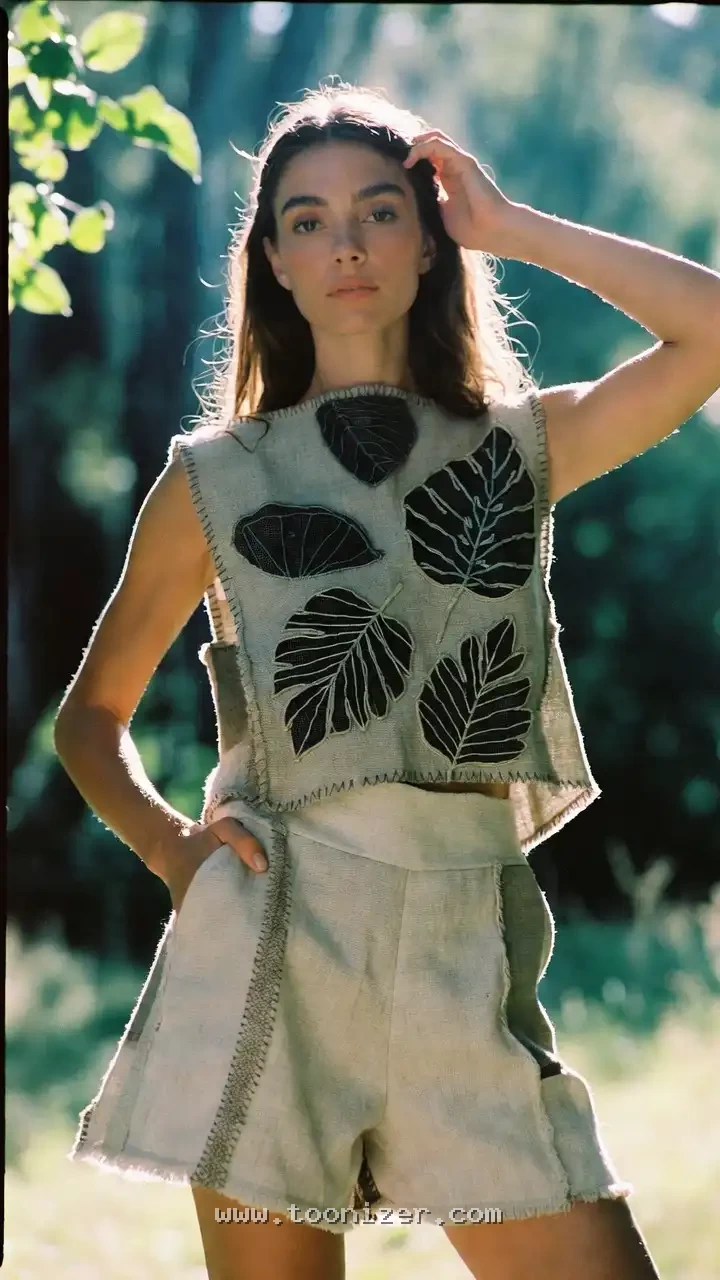



The tapestry vest above shows another trick: old cushion covers, tablecloths and wall hangings already have embroidery on them. Cut a simple vest or bag shape around the best part of the pattern and finish the edges with fringe or bias tape.
Dyeing and thrifted fabrics
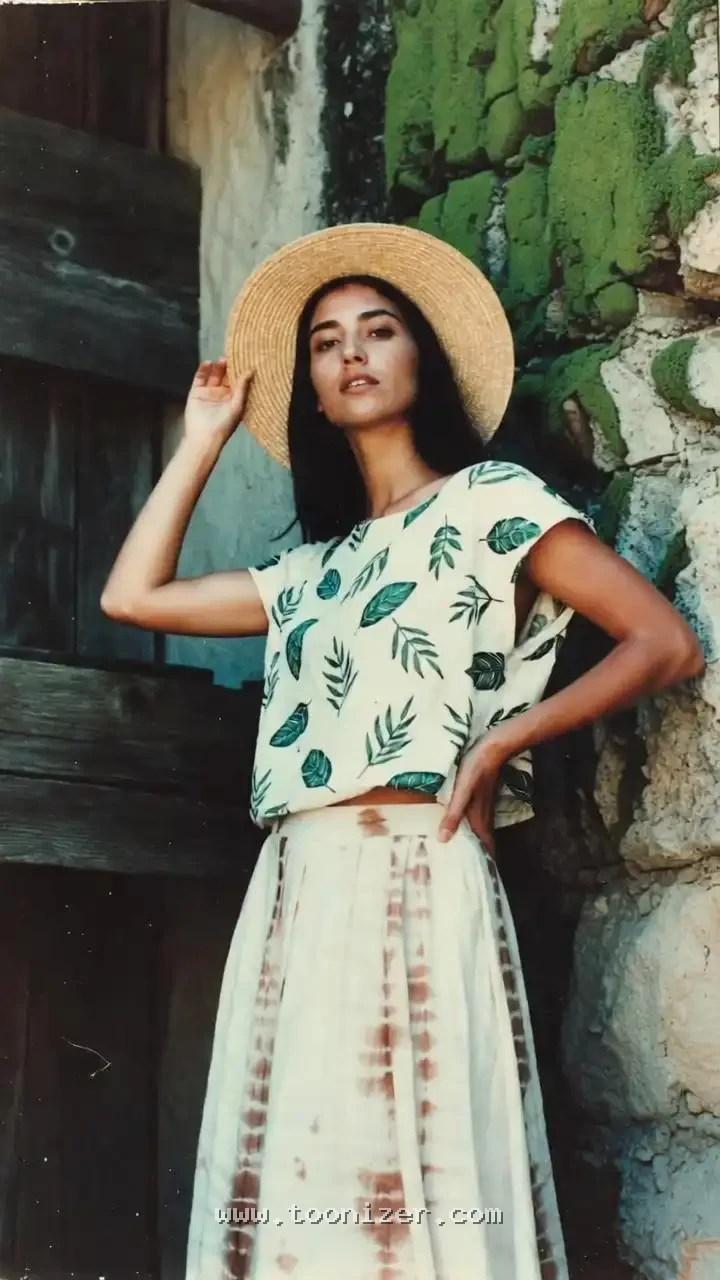
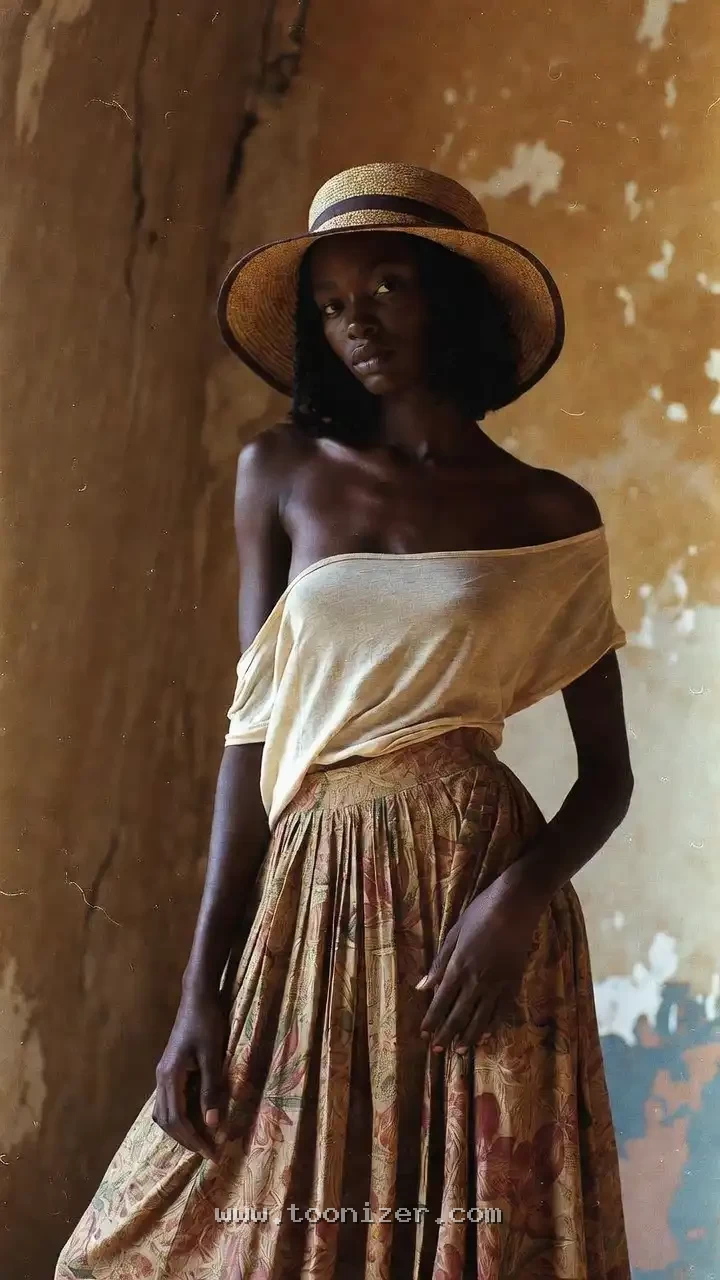
Not every upcycle needs scissors. Tie-dye and dip-dye can hide stains and give a faded garment a second life. Old floral skirts and printed tops from thrift shops can be shortened, taken in or paired with handmade pieces. For more dye ideas, see our post on creative tie-dye ideas.

Tools and materials for beginners
- Sharp fabric scissors (keep them only for fabric) and a rotary cutter if you plan many squares
- Pins or clips, a tape measure and tailor’s chalk
- Hand-sewing needles in several sizes and embroidery or sashiko thread
- A basic sewing machine for long seams (optional but faster)
- Scraps: old jeans, shirts, linen, curtains, tablecloths, sacks
Frequently asked questions
What is the easiest upcycling project for a beginner?
A patch on a pair of jeans or a tote bag. You learn to cut, pin and stitch on something small before moving to a full garment.
Do I need a sewing machine for patchwork clothes?
No. Everything here can be sewn by hand. A machine saves time on long seams, especially on dresses and coats.
Which fabrics are best for upcycling?
Cotton, linen and denim. They are easy to cut, hold a seam well and can be washed hot. Stretch fabrics and silky synthetics are harder for beginners.
For more handmade style, see indie and DIY fashion ideas and our companion post on DIY knitting clothes ideas.
Want to see your own patchwork outfit as a cartoon? Try it with the free Toonizer cartoon generator.
0 Comments